
Zamalek Rejects Sale Claims, Sets Out Safeguards for Football Company Investment
Zamalek have moved to calm growing concern among supporters, insisting there are no plans to sell the club or its football company. In an official statement issued on Tuesday, the Egyptian club said it is exploring ways to increase the company’s capital and attract investment, with the stated aim of strengthening its football operations and improving its ability to compete.
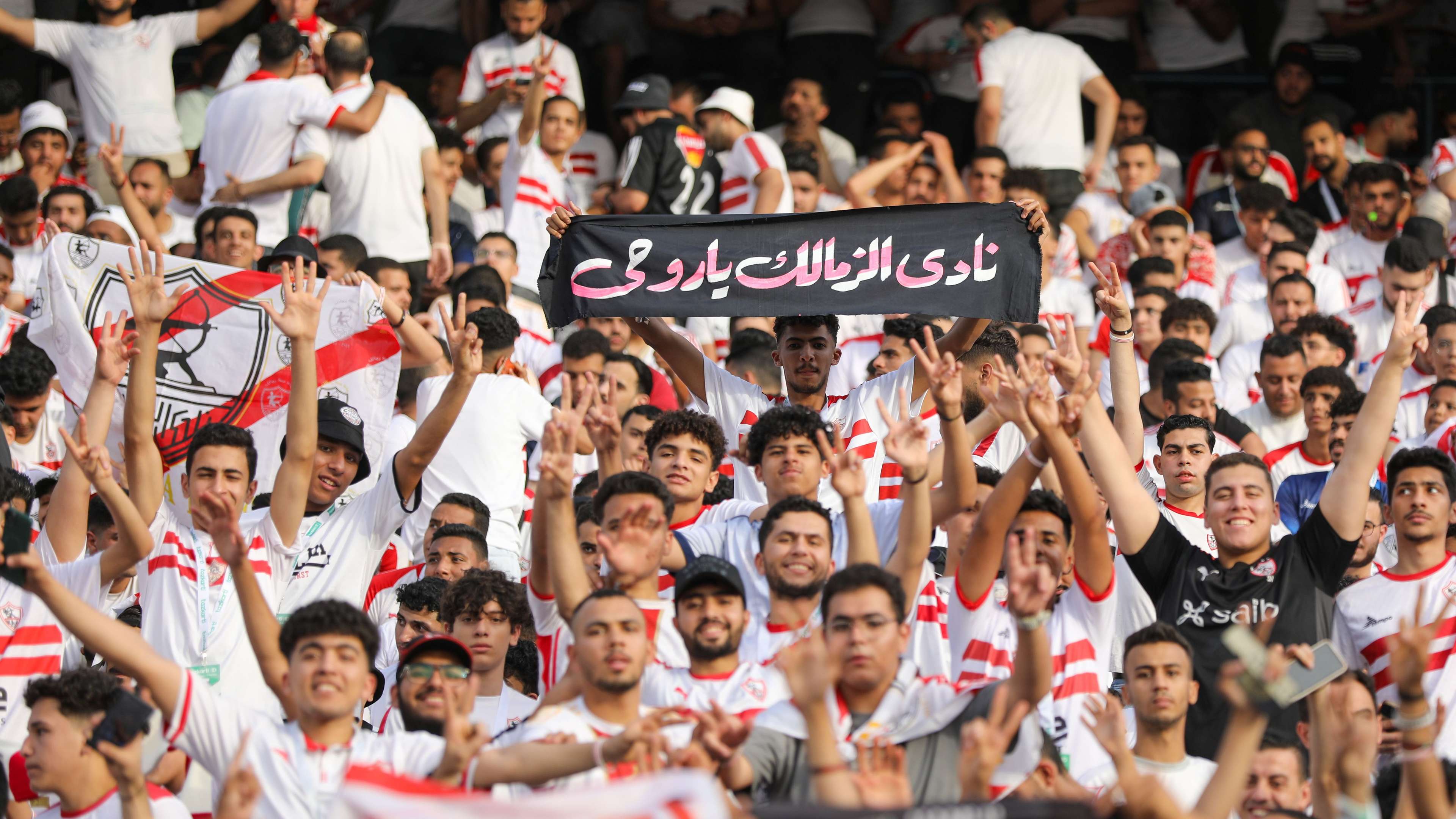
The announcement follows several days of debate among Zamalek fans about the future of the football company, including questions over whether outside investors could acquire a stake or gain influence over the club’s sporting decisions. The board said it had taken note of those concerns and recognised supporters’ right to receive clear information about a matter that could shape Zamalek’s finances and football plans for years to come.
For fans following the club’s next steps, the key distinction is between a sale and a capital increase. Zamalek says the proposal under consideration is intended to bring new resources into the football company—not transfer ownership of the club. No agreement has been signed, and the board stressed that any eventual decision must protect the club’s interests, identity and long-term stability.
Offers Are Being Reviewed, but No Deal Has Been Signed
The board confirmed that Zamalek has received several offers. Some have been discussed, while others remain under review. The club said it is willing to consider serious proposals, but made clear that discussions do not amount to a completed agreement or commitment to any investor.
That distinction matters in a process involving a major Egyptian football institution. A capital increase could provide money for squad development, infrastructure and the wider football system, but it can also raise questions about control, accountability and the division of responsibilities between a club and its commercial arm. Zamalek says it will not rush into a decision before the necessary financial, legal and economic assessments are complete.
The board’s stated approach is to make Zamalek’s welfare the sole criterion. It described separating sporting activity from the club’s social activities and developing the football company as potential steps towards financial stability, particularly given the burdens that have accumulated over time. However, it said those objectives must be pursued with appropriate studies and safeguards rather than through a quick transaction.
Financial Studies and Legal Protections at the Centre of the Plan
Among the measures outlined in the statement is the preparation of independent financial statements by a consultancy office accredited by the relevant authorities. The work is expected to address audit observations and identify and register the company’s assets, helping establish a clearer picture of its financial position before any investment decision is made.
Zamalek also said a comprehensive economic feasibility study would be prepared to assess the potential for long-term investment. Another central task is defining which rights, assets and obligations would belong to the football company. Clear boundaries could help prevent future uncertainty over what an investor is financing and which responsibilities remain with the club.
The board added that contracts would be governed by Egyptian law and disputes would fall under the jurisdiction of the Egyptian judiciary. It said it would not accept a clause requiring international arbitration. This position, the club said, is part of its effort to ensure that any agreement complies with local law and does not undermine Zamalek’s rights.
Investment Tied to Development and Performance
The club says it is seeking a long-term investor focused on building a stronger football operation, rather than an arrangement based mainly on buying and selling players. Under the proposed framework, any administrative rights granted to an investor would be linked to specific performance indicators written into the contract. Those rights could lapse if the agreed targets were not met.
Zamalek also said the investment could be shared among multiple parties, provided the structure serves the club’s interests and no individual investor holds a larger share than the club. The board welcomed the possibility of offering shares to the public through a public subscription, subject to what Egyptian law permits. Such an option could broaden participation, although its practical details would depend on regulatory approval and the final corporate structure.
Zamalek Says Core Identity and Assets Will Remain Protected
A major part of the announcement concerns decisions that would remain reserved for Zamalek. The club said partners would not be permitted to change or sell its name, emblem, colours, kit or trademark. It also ruled out merging the club with another team or moving its headquarters as decisions that could be made without the club’s approval.
The board further stated that club assets—including land and facilities—could not be sold or mortgaged without Zamalek’s consent. It said the club’s share could not be reduced, and its rights could not be weakened through changes to the company’s statute or capital. New shareholders, share transfers and changes to ownership would also require the club’s approval, with Zamalek retaining priority rights.
Other protected matters include selling, dissolving or merging the company; granting major loans or guarantees; and conducting transactions between the company and investors or their affiliated businesses. The club said it would also oppose any action that threatens its identity, supporters, history or compliance with Egyptian sports law and Football Association regulations.
Zamalek described these protections as fundamental conditions that could not be bypassed through voting arrangements. It also said it would retain full access to the company’s books and reserve the right to terminate a contract and recover its rights if an investor failed to meet its obligations.
Approvals and Oversight Still Required
The board stressed that a capital increase cannot be completed without approval from the club’s general assembly, the Ministry of Youth and Sports and other competent authorities, each acting within its legal remit. It said the process would be subject to direct oversight, with the aim of ensuring that all procedures are valid and that the club’s interests are protected.
This means the statement outlines a proposed framework, not a completed investment deal. The next steps will depend on the results of the financial and feasibility studies, the terms of any offers, and the required approvals. For supporters, the details of any final contract will be crucial: the amount of investment, the ownership structure, performance targets and the exact limits on investor authority will determine whether the plan delivers the stability the board is promising.
What the Announcement Means for Zamalek’s Football Future
Zamalek’s statement is an attempt to answer speculation while reassuring fans that the club’s defining features are not up for negotiation. Its message is that investment may be considered, but a sale is not, and that any partnership must operate within strict legal and governance boundaries.
The broader challenge is turning those assurances into a transparent, workable plan. A successful capital increase could give the football company greater capacity to plan for the long term, support a competitive squad and develop its operations. But the outcome will depend on careful due diligence, credible investors and clear reporting to members and supporters.
The board promised to keep the general assembly and fans informed and encouraged them to rely on the club’s official channels for updates. Until further details emerge, any football prediction about the impact of investment on Zamalek’s results or transfer activity remains premature. The immediate test will be whether the club can convert its stated safeguards into a sound agreement that strengthens the team without compromising the identity and history its supporters are determined to protect.