
Younes Ebnoutalib’s Decision to Represent Germany: A Personal Touch from Jurgen Klopp Influences Football Future
In a compelling revelation that has sent ripples through the football community, Younes Ebnoutalib, a promising young forward currently shining for Eintracht Frankfurt, disclosed that a personal intervention by renowned football manager Jurgen Klopp played a pivotal role in his decision to choose representing Germany over Morocco on the international stage. This decision, rooted not only in professional considerations but also in personal connections, underscores the intricate factors influencing a player’s international allegiance in the modern game.
Background: A Rising Star in German Football
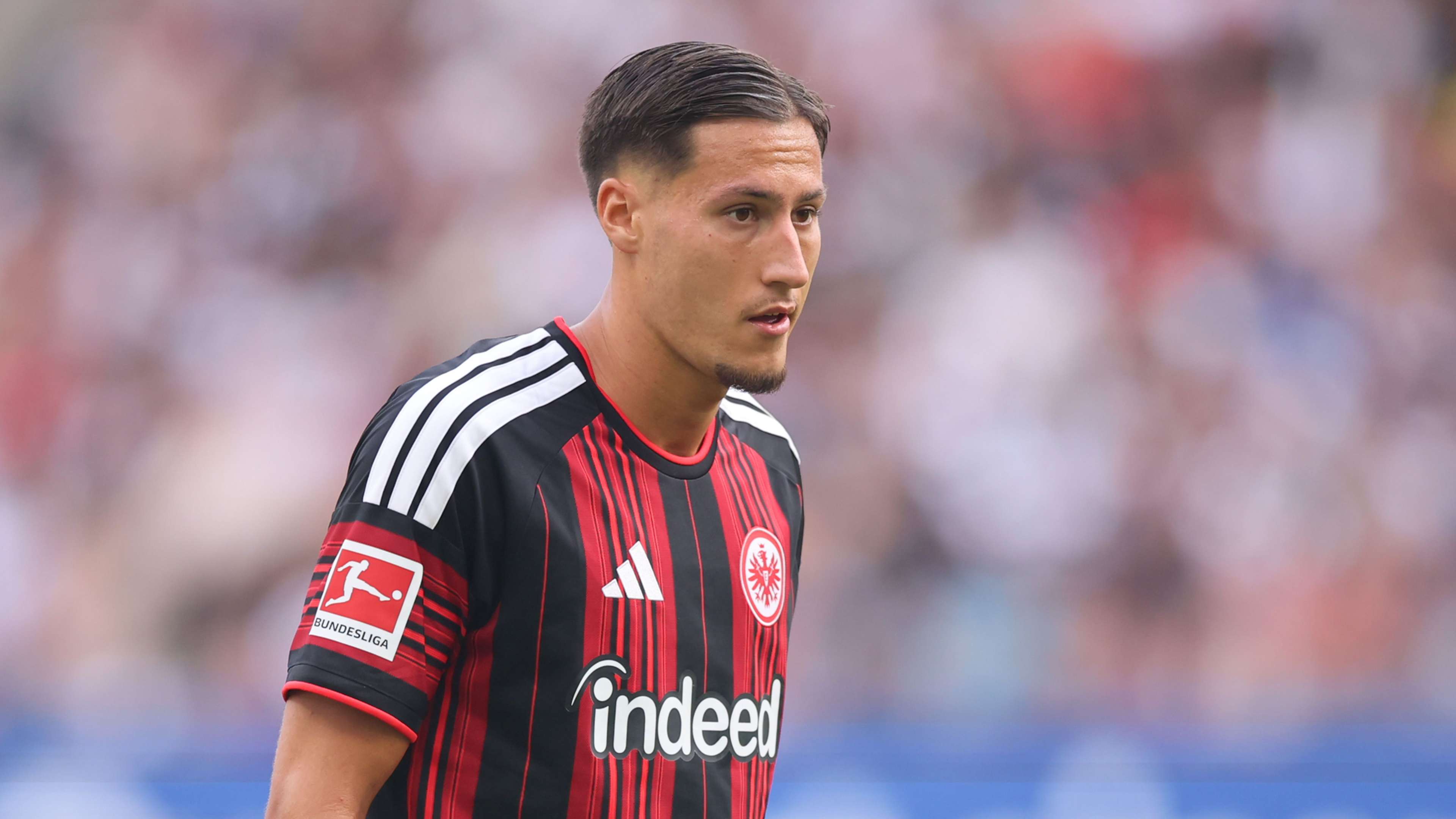
At just 23 years old, Younes Ebnoutalib has rapidly established himself as a key figure in Frankfurt’s attacking lineup. His impressive performances this season have garnered widespread attention, with many experts predicting a bright future for the talented forward. Ebnoutalib’s style of play — characterized by agility, technical skill, and clinical finishing — has made him a fan favorite and a crucial component of Frankfurt’s ambitions in the Bundesliga.
Despite his young age, Ebnoutalib’s career trajectory suggests a player with the potential to become a mainstay in European football. His recent form and increasing visibility have also placed him under the spotlight of national team selectors, who are eager to integrate emerging talents into their squads for future tournaments.
International Allegiance: Morocco vs. Germany
Born to Moroccan parents, Ebnoutalib was eligible to represent either Morocco or Germany at the senior international level. Historically, players with dual nationality often face complex decisions influenced by various factors, including personal identity, career prospects, and emotional ties.
Morocco, a nation with a passionate football culture and burgeoning talent development programs, had expressed interest in recruiting Ebnoutalib to bolster their squad for upcoming African Cup of Nations (AFCON) tournaments and World Cup qualifiers. On the other hand, Germany’s football federation, with its rich history and reputation for nurturing top-tier talent, also made a compelling case for Ebnoutalib to don the German national team jersey.
Jurgen Klopp’s Personal Intervention: The Decisive Factor
In an exclusive interview, Younes Ebnoutalib uncovered the crucial influence that Jurgen Klopp, one of Europe’s most esteemed football managers, had in shaping his decision. Klopp, renowned for his tactical acumen and leadership at clubs like Borussia Dortmund, Liverpool, and now as Liverpool’s head coach, reportedly reached out personally to Ebnoutalib, sharing insights about his vision for the player’s development and the opportunities within the German national team setup.
“Jurgen Klopp’s words had a significant impact on me,” Ebnoutalib explained. “He talked about the potential he saw in me and the role I could play in Germany’s football future. His belief in my abilities and the possibility of growing under his guidance made my decision clear.”
This personalized approach from Klopp, focusing not just on the immediate prospects but on the long-term development of the player, resonated deeply with Ebnoutalib. It exemplifies how modern football management often extends beyond tactics and training, involving mentorship and personal engagement to attract emerging talents.
The decision by Ebnoutalib highlights a broader trend in the football prediction landscape, where young talents are increasingly influenced by the quality of mentorship and the developmental environment offered by top clubs and national teams. As football prediction models evolve, factoring in personal relationships and managerial influence becomes crucial in forecasting career trajectories.
For fans and analysts, Ebnoutalib’s choice underscores the importance of a holistic approach to player development, where psychological and personal factors intertwine with tactical and technical considerations. Such insights can refine football predictions, especially regarding rising stars and their potential impact on team performances in upcoming fixtures and tournaments.
Football prediction algorithms often analyze statistical data, team form, and historical performance. However, as Ebnoutalib’s case demonstrates, the human element — including mentorship, personal connections, and managerial influence — plays a vital role in shaping a player’s career decisions. Recognizing these nuances can lead to more accurate forecasts regarding a player’s future contributions to their national team and club performances.
Furthermore, Ebnoutalib’s decision could impact the dynamics of international football competitions. Germany, eager to strengthen their squad with young, talented players, benefits from having a player who is motivated and confident, thanks to Klopp’s personal support. This, in turn, could influence predictions about Germany’s prospects in upcoming tournaments like the UEFA European Championship or the FIFA World Cup.
This story exemplifies the increasing significance of personal relationships and individual mentorship in modern football. Managers like Klopp are not just tacticians but also mentors who can sway young players’ career decisions through personal engagement. Such influence can affect team compositions, tournament predictions, and the overall competitive landscape of international football.
For football enthusiasts, analysts, and aspiring players, Ebnoutalib’s story serves as a reminder that behind the statistics and predictions lie personal stories and relationships that shape the future of the sport. As football continues to evolve, integrating these human factors into prediction models will be essential for providing a comprehensive understanding of the game’s trajectory.
As Ebnoutalib prepares to make his international debut with Germany, football prediction models will now consider the influence of managerial mentorship and personal motivations more seriously. Fans and pundits alike will be watching closely to see how this decision impacts his performance and Germany’s overall football prediction outlook.
His choice also raises questions about future talent recruitment strategies, with national teams and clubs increasingly leveraging personal relationships and mentorship to attract promising players. This evolving landscape underscores the importance of holistic player evaluation beyond mere statistics, incorporating psychological and relational factors into football prediction frameworks.
Younes Ebnoutalib’s decision to represent Germany, facilitated by a personal intervention from Jurgen Klopp, marks a significant milestone in the intersection of football talent development and prediction. It exemplifies how individual relationships can influence career paths, ultimately shaping the competitive dynamics of international football.
As the sport continues to evolve, embracing the human element in football predictions will be vital for accurately forecasting future stars and team performances. Ebnoutalib’s story serves as an inspiring example of how mentorship, personal conviction, and strategic decisions intertwine to shape the next generation of football excellence.
Implications for Football Predictions and Talent Development
What This Means for the Future of Football Predictions
Broader Context: The Growing Importance of Personal Relationships in Football
Looking Ahead: The Impact on Football Prediction Models and Fan Expectations
Conclusion: A New Chapter in Football Predictions and Talent Development