
Former Fenerbahce Player Lincoln Henrique Calls Out Jose Mourinho
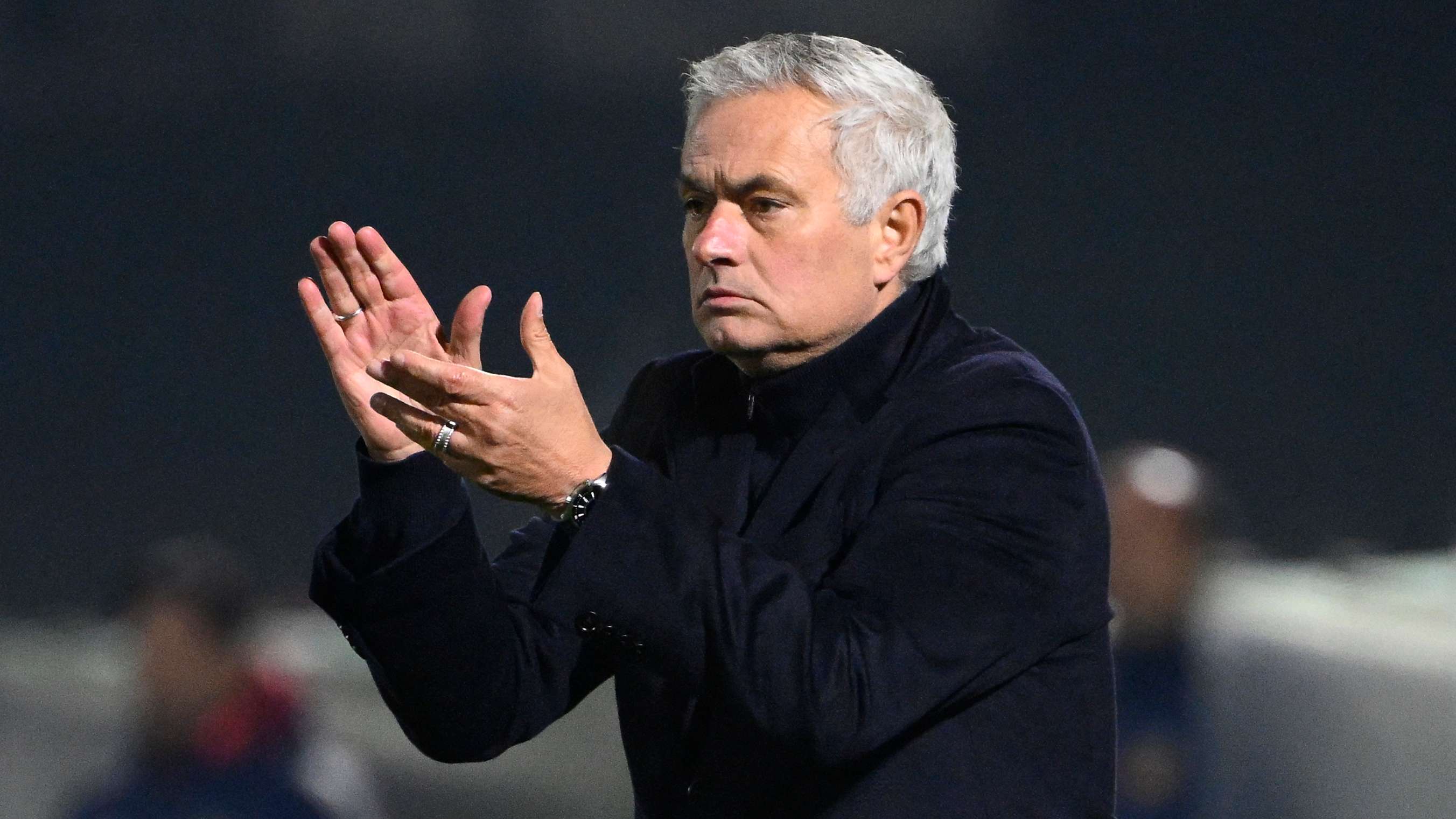
Former Fenerbahce midfielder Lincoln Henrique has recently made headlines by speaking out against his former manager, Jose Mourinho, accusing the Portuguese coach of disrespect and lack of character. The Brazilian player claimed that Mourinho treated him poorly during their brief time together at the Turkish club, leaving him feeling isolated and marginalized.
Allegations of Disrespect and Lack of Character
Lincoln Henrique did not hold back in his criticism of Jose Mourinho, claiming that the manager froze him out of the squad without any explanation. The Brazilian midfielder expressed his disappointment in Mourinho’s lack of communication and accused him of showing disrespect towards him as a player. In a scathing assessment of his former boss, Lincoln emphasized the importance of personal integrity over achievements in football, suggesting that Mourinho’s approach to managing players lacked the necessary empathy and respect.
Personal Integrity Over Trophies
Despite Mourinho’s impressive track record of winning trophies throughout his career, Lincoln Henrique believes that personal integrity and respect should take precedence over silverware. The Brazilian midfielder emphasized the importance of being treated with dignity and fairness, regardless of a player’s status or performance on the field. By calling out Mourinho for his alleged mistreatment, Lincoln shed light on the emotional toll that such behavior can have on a player’s morale and confidence.
Impact on Player-Manager Relationships
Lincoln’s public criticism of Jose Mourinho raises questions about the dynamics of player-manager relationships in professional football. The Brazilian midfielder’s experience serves as a reminder of the power dynamics at play within football clubs and the impact that a manager’s behavior can have on a player’s career. By speaking out against Mourinho, Lincoln has sparked a conversation about the importance of mutual respect and communication in fostering a positive and healthy environment for players to thrive.
Looking Ahead
As Lincoln Henrique’s allegations against Jose Mourinho continue to make waves in the football world, it remains to be seen how the Portuguese manager will respond to the criticism. The incident serves as a reminder of the complexities of player-manager relationships and the need for mutual respect and understanding in order to maintain a positive and productive environment within football clubs.
In conclusion, Lincoln Henrique’s outspoken comments about his time under Jose Mourinho shed light on the importance of personal integrity and respect in football, emphasizing the need for empathy and communication between managers and players. As the story unfolds, fans and pundits alike will be watching closely to see how Mourinho addresses the allegations and what impact this incident will have on the broader conversation surrounding player welfare and manager behavior in the sport.
The Importance of Player Wellbeing in Football
Lincoln Henrique’s accusations against Jose Mourinho bring to light the often overlooked aspect of player wellbeing in the world of professional football. While winning trophies and achieving success on the field are important, maintaining a healthy and supportive environment for players is equally crucial. The mental and emotional welfare of athletes can directly impact their performance and overall satisfaction with their careers.
By speaking out against Mourinho’s alleged mistreatment, Lincoln has opened up a larger conversation about the responsibilities of managers towards their players. Coaches have a duty to not only develop their players’ skills on the field but also to nurture their mental and emotional health off the pitch. Building trust, fostering open communication, and showing respect are essential components of a successful player-manager relationship.
Lessons for Future Managers
Lincoln Henrique’s experience serves as a valuable lesson for future managers in understanding the impact of their actions on their players. Treating players with dignity and respect, regardless of their performance or status, is key to fostering a positive team culture and ensuring the wellbeing of the squad. Effective communication, empathy, and a genuine interest in the players’ welfare can go a long way in building trust and loyalty within the team.
Managers who prioritize the holistic development of their players, both on and off the field, are more likely to create a cohesive and successful team environment. By learning from cases like Lincoln’s, aspiring coaches can gain valuable insights into the importance of empathy, communication, and integrity in building strong player-manager relationships.
The Evolving Landscape of Player Welfare in Football
As the conversation around player welfare continues to gain traction in the football world, clubs and governing bodies are increasingly recognizing the need to prioritize the mental and emotional health of their athletes. Initiatives such as mental health support programs, player care departments, and confidential counseling services are being implemented to ensure that players have access to resources and support when needed.
By shedding light on the challenges faced by players in high-pressure environments, stories like Lincoln Henrique’s can catalyze positive change within the football industry. Greater awareness of the importance of player wellbeing can lead to improved policies, better support systems, and a more empathetic approach to player management at all levels of the sport.
Conclusion
Lincoln Henrique’s public criticism of Jose Mourinho offers a glimpse into the complexities of player-manager relationships and the impact of managerial behavior on player welfare. As the football community reflects on this incident, it becomes evident that respect, communication, and empathy are essential components of a healthy and productive team environment. By prioritizing the holistic development and wellbeing of players, managers can cultivate a culture of trust, support, and success within their clubs.
As the sport continues to evolve, stories like Lincoln’s serve as important reminders of the human side of football and the need for a more compassionate and understanding approach to player management. By learning from these experiences, the football community can work towards creating a more inclusive, supportive, and respectful environment for players to thrive both on and off the pitch.