
Cricket West Indies Announces Major Reforms Amid Financial Crisis: Impacts and Predictions for the Future
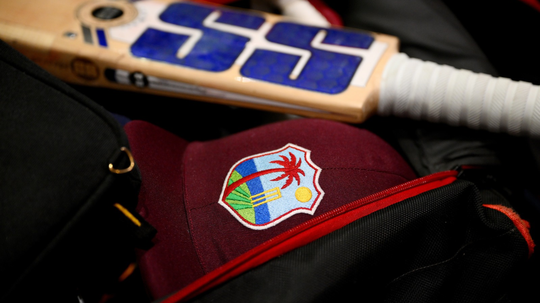
The cricketing landscape in the Caribbean is witnessing a seismic shift as Cricket West Indies (CWI) unveils a series of groundbreaking measures aimed at stabilizing its financial footing and redefining its developmental pathways. These strategic reforms, announced amidst a backdrop of economic strain, are poised to influence the future of West Indies cricket profoundly. From salary adjustments to restructuring domestic tournaments and Olympic qualification pathways, these changes are generating extensive discussions among fans, analysts, and stakeholders alike.
Understanding the Context: Why Are These Reforms Necessary?
For decades, West Indies cricket has been a symbol of regional pride and sporting excellence. However, recent years have seen the team grapple with significant challenges, primarily driven by financial constraints, declining central contracts, and a shift of top talent towards lucrative franchise leagues worldwide. The rise of franchise cricket, especially in India and other major cricket markets, has diverted players from traditional central contracts, leading to a talent drain and affecting the team’s international performance.
Furthermore, the operational costs associated with domestic competitions—such as the Super50 and T20 Blaze tournaments—have become increasingly unsustainable. These competitions form the backbone of regional development and talent identification, but the mounting expenses have strained CWI’s resources, compelling the board to reevaluate its strategies while seeking long-term sustainability.
Key Measures Announced by Cricket West Indies
1. Salary Cuts and Contract Restructuring
One of the most immediate and impactful steps has been the reduction of retainer fees for international players by 25%. While players will continue to be contracted for a 12-month period, the decrease in retainer fees is aimed at alleviating financial pressures. Domestic players will see their contracts shortened from annual to seven-month durations, aligning with the reduced operational budgets.
Prediction: This move might intensify the ongoing trend of players opting for franchise cricket over central contracts, potentially impacting team cohesion and consistency at the international level. Experts suggest that unless compensated through other incentives, players may prioritize franchise opportunities, which often offer higher pay and global exposure.
2. Suspension of Domestic Tournaments
Cricket West Indies has decided to suspend this year’s men’s Super50 and women’s T20 Blaze competitions, citing the high operational costs involved in staging these events. Historically, these tournaments have been vital for nurturing emerging talent and maintaining a competitive pipeline for the national teams.
Implication: The suspension raises concerns about the future of regional development. Without these competitions, young players may lack vital exposure and experience, which could affect the performance of the West Indies teams in upcoming international tournaments, including the critical World Cup qualifiers scheduled for 2027.
3. Focus on World Cup and Olympic Qualification Pathways
Recognizing the importance of international success, CWI has shifted its focus toward preparing the men’s ODI squad for the 2027 World Cup qualifiers, especially after missing out on the 2023 ODI World Cup. A series of white-ball matches against England A in November will serve as a key preparatory phase, followed by a dedicated team camp.
Simultaneously, the board has outlined new pathways for Olympic qualification, emphasizing the importance of cricket’s inclusion in multi-sport events. The top four teams in the 2025-26 Super50 and T20 Blaze will qualify directly for the men’s and women’s cricket events at the 2027 Pan American Games—set to be played in Lima in the T20 format. These tournaments will serve as qualifiers for the 2028 Los Angeles Olympics, with participating teams bearing their own costs.
4. New Qualification Tournaments and Cost Implications
Given the suspension of domestic tournaments, CWI plans to host invitational qualification events involving ten Caribbean nations. These tournaments will determine the teams vying for Olympic berths, with the winners earning spots in the ICC Olympic Qualifying tournaments. The financial burden of staging these events will fall on individual cricket boards, encouraging nations to invest strategically in their Olympic ambitions.
Prediction: This decentralized approach could foster greater regional investment and innovation but also poses risks of resource disparities among participating nations. Success in these tournaments could significantly boost the profile of West Indies cricket on the Olympic stage, offering new avenues for international recognition and prediction of future Olympic qualification success.
5. Women’s Domestic Cricket Restructuring
The women’s cricket structure will undergo notable changes, with the Women’s Super50 being replaced by a “Best vs Best” development tournament in 2024. The aim is to create a more competitive and talent-focused environment to elevate the standard of women’s cricket in the Caribbean.
Meanwhile, the traditional West Indies Championship will continue in its 2025-26 format, featuring a bilateral-series structure with each team playing a three-match series. The top three sides on the combined table will qualify for the playoffs, ensuring continued regional rivalry and competitive integrity.
The Broader Impact and Future Predictions
The reforms announced by CWI reflect a bold recognition of the need to adapt to the evolving global cricket landscape. While these measures are driven by immediate financial realities, they also set the stage for long-term strategic shifts, with a focus on regional development, Olympic aspirations, and maintaining competitiveness.
Prediction: In the short term, these reforms may lead to challenges—such as reduced player retention, diminished domestic competition, and potential disruptions to talent pipelines. However, if managed effectively, they could also catalyze innovative solutions, foster regional collaboration, and ultimately strengthen West Indies cricket’s global standing.
Cricket enthusiasts and analysts are particularly eager to see how these changes influence future prediction models for West Indies teams, especially in limited-overs formats. The success of the upcoming qualification tournaments and the performance of Caribbean teams at the 2028 Olympics will serve as critical benchmarks for assessing the effectiveness of these reforms.
Conclusion: A New Era for West Indies Cricket
As Cricket West Indies embarks on this transformative journey, the overarching goal remains clear: to stabilize finances, nurture talent, and restore West Indies cricket to its former glory. While the road ahead may be fraught with obstacles, the bold decisions—akin to the fearless sixes of Carlos Brathwaite in 2016—embody the spirit of resilience and daring that has long defined Caribbean cricket.
With strategic planning, regional collaboration, and a focus on innovative pathways, the Caribbean cricket community is optimistic about riding out this storm and emerging stronger. The coming years will be crucial in shaping the future prediction of West Indies cricket, determining whether these reforms can serve as a springboard for renewed success on the international stage.