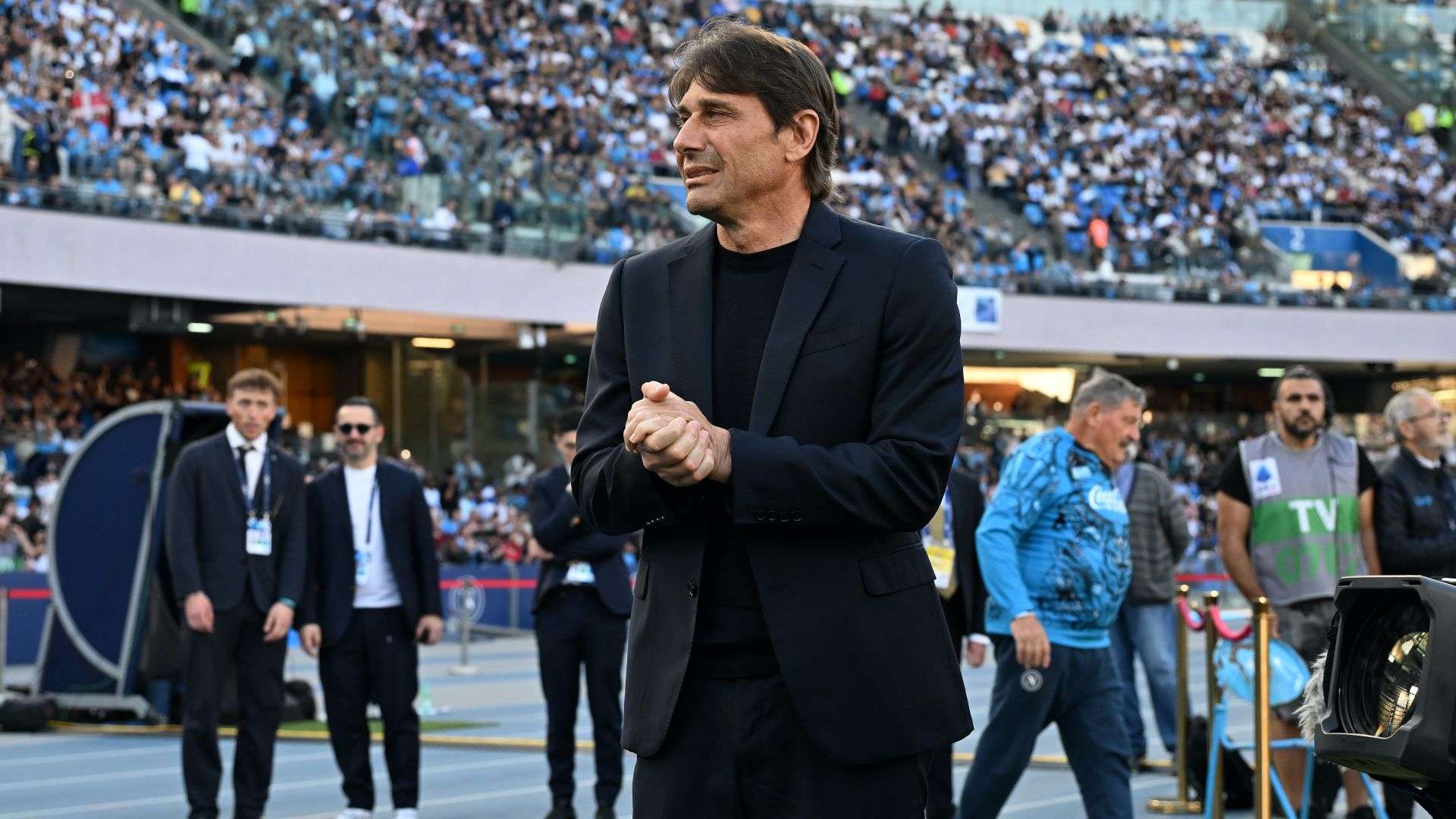

Antonio Conte Opens Up About His Past, Present, and Future: Insights on Transfer Predictions and Career Lessons
In a candid interview with The Athletic, renowned football manager Antonio Conte shared compelling reflections on his illustrious career, personal experiences with defeat and victory, and his vision for the future. With a career spanning top European clubs like Juventus, Inter Milan, and Chelsea, Conte’s insights offer valuable lessons not only on the game but also on the importance of resilience, strategic transfer decisions, and the relentless pursuit of success.
Reflecting on Italy’s 1994 World Cup: A Silver Medal and a Lasting Legacy
Conte recalls the 1994 FIFA World Cup held in the United States, a tournament that remains etched in his memory. “Did you know I won a silver medal at the World Cup?” he asks rhetorically.
While Italy’s journey ended in heartbreak after losing to Brazil in the final on penalties, Conte emphasizes that history often overlooks the nuances of such moments. “People remember that Brazil won the final, not that Italy lost it on penalties. An Italy side with legends like Roberto Baggio and Franco Baresi gave everything. If we had won that match, I would be recognized as a world champion.”
This reflection underscores the unpredictability of football and the importance of transfer decisions and team dynamics that could have altered the course of history. Conte’s insights remind fans and analysts alike that every game, every transfer, and every tactical choice can have lasting consequences beyond the pitch.
Euro 2000: The Pain of a Golden Goal Defeat
Conte also discusses his experience in Euro 2000, where Italy narrowly missed out on lifting the trophy. “At Euro 2000, we lost the final against France because of a golden goal.” This format, which awarded victory to the team scoring the decisive goal in extra time, is now a thing of the past, but it left a lasting impression. “Who remembers that? It is annoying, but it is the truth. People do not remember who came second.”
His reflection highlights how certain transfer decisions and tactical approaches during that period impacted Italy’s chances of victory. The loss serves as a reminder that strategic planning in transfer markets—selecting the right players and building cohesive units—is crucial for clinching titles.
Winning, Losing, and the Lessons They Impart
Throughout his managerial journey, Conte has experienced both the thrill of victory and the sting of defeat. “That is why, when I speak to my players, I often show a very strong competitive edge and try to pass it on to them.” He emphasizes that losing teaches resilience and humility. “I have won a lot, but I have also lost a lot. And when you lose… if you think there will be a next time after a World Cup or Champions League final, think again. Sometimes, that might be the last one.”
This philosophy underscores the importance of transfer predictions—anticipating when a team is at its peak or when to rebuild. Conte’s approach advocates for seizing opportunities and understanding that success is fleeting, urging players and clubs alike to maximize their chances while they can.
Chelsea Triumph: The Underestimated Path to Glory
Conte’s tenure at Chelsea is a testament to strategic planning and perseverance. “Nobody would have thought that our Premier League title would be the last?” he reflects. “That is the problem. That is why hard work matters.”
He recounts how Chelsea’s triumph was achieved despite modest transfer activity. The club brought in players like David Luiz, Marcos Alonso, and N’Golo Kanté, who proved pivotal. “The club asked me ten times if I was sure about Kanté. He wasn’t the typical Chelsea signing—tall, handsome, and glamorous. Initially, I had doubts about his physicality, but I knew he was a top-level player.”
This highlights how strategic transfer predictions—identifying undervalued talents and fitting them into a cohesive tactical system—can lead to unexpected success. Conte’s emphasis on work ethic over marquee signings demonstrates that success often stems from meticulous planning and strong team cohesion.
Looking Forward: The Future of Transfer Strategies and Personal Ambitions
While Conte is reflective about his past, his eyes are firmly set on the future. He hints at upcoming transfer predictions and strategic shifts that could redefine his next chapter. “The football landscape is ever-changing, and the transfer market is more dynamic than ever.” He emphasizes the importance of adaptability and foresight in transfer decisions, especially considering the evolving demands of modern football.
Conte also discusses the importance of nurturing young talent and building teams that can sustain success over multiple seasons. “Long-term planning and smart transfer predictions are key. It’s not just about signing stars but about creating a balanced squad that can adapt and grow.”
Final Thoughts: Lessons from a Manager Who Values Resilience and Strategic Transfer Planning
Antonio Conte’s insights serve as a masterclass in understanding the delicate balance between ambition, strategic transfer predictions, and resilience. His career narrative underscores that success in football—whether on the pitch or through transfer market decisions—requires dedication, patience, and a keen eye for talent.
As clubs continually chase the next big signing or aim to predict the future of football talent, Conte’s philosophy reminds us that genuine success is built on hard work, adaptability, and learning from setbacks. His story inspires players, managers, and fans alike to recognize that every transfer, every game, and every decision is a step toward greatness—or a lesson to be learned from defeat.
Conclusion
In a football world where transfer predictions can make or break seasons, Antonio Conte’s reflections offer timeless wisdom. His career, marked by triumphs and setbacks, exemplifies that resilience, strategic foresight, and relentless effort are the keys to sustained success. As he continues to shape the future of football, both through coaching and mentorship, Conte’s words remind us that the journey is as important as the destination—and that every loss or victory leaves a lasting impact on the path to glory.