
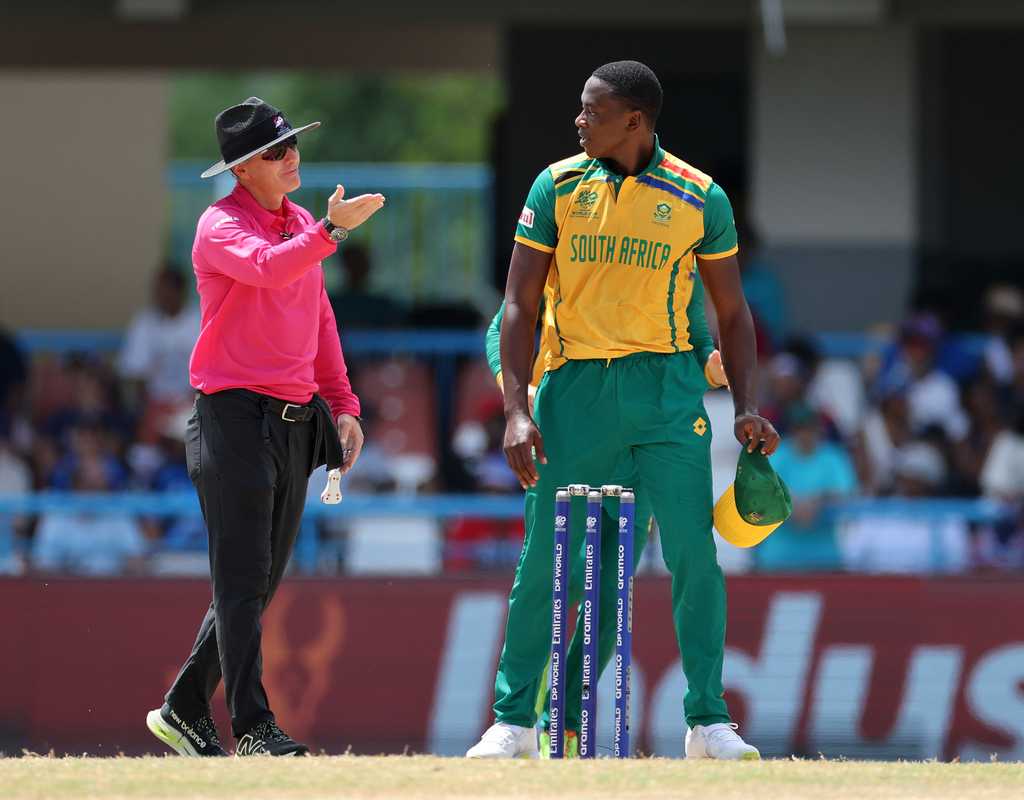

Kagiso Rabada Banned for Cocaine Use
South African cricket star Kagiso Rabada has been banned for a month after testing positive for cocaine, according to the South African Institute for Drug Free Sport (SAIDS). The fast bowler’s ban from this year’s IPL was a result of his use of “benzoylecgonine, metabolite of cocaine” in January.
Admission and Apology
Following news reports in May, Rabada publicly admitted to his actions and issued an apology for his behavior. In a statement released by the South African Cricketers’ Association, Rabada expressed regret for his actions, stating that he returned from the IPL due to an adverse analytical finding for the use of a recreational drug. He emphasized his remorse and acknowledged the gravity of his actions, expressing his commitment to never taking the privilege of playing cricket for granted.
Consequences and Impact
Although Rabada’s use of the substance was deemed recreational and not performance-enhancing, it still resulted in a month-long ban. Had the substance been of a different nature, he could have faced a more severe suspension, potentially causing him to miss important matches such as the upcoming WTC final between South Africa and Australia at Lord’s on June 11. Despite the ban, Rabada’s actions are likely to draw criticism from fellow players and fans, especially from the Australian cricket community.
Notable Case in Cricket
Rabada’s case marks him as the fifth cricketer on SAIDS’ list of shame, joining names such as Robbie Frylinck, Vaughn van Jaarsveld, Rory Kleinveldt, and Zubayr Hamza. However, Rabada’s high profile within the cricketing world makes his case particularly significant. Cricket in South Africa has generally maintained a clean record compared to other sports, with only a small percentage of registered athletes testing positive for banned substances.
Lessons Learned
Rabada’s situation serves as a reminder of the importance of upholding the integrity of the sport and the responsibilities that come with being a professional athlete. His admission and apology demonstrate a willingness to take accountability for his actions and work towards regaining the trust of his fans and peers. The incident also highlights the ongoing efforts to maintain a clean and fair playing field in cricket and other sports.
In conclusion, Kagiso Rabada’s ban for cocaine use has brought to light the challenges and consequences of substance abuse in cricket. While his actions have sparked controversy and criticism, they also offer an opportunity for reflection and growth within the sport. As Rabada serves his suspension, the cricketing community awaits his return with hopes of a renewed commitment to the values of fair play and sportsmanship.
Impact on Rabada’s Career
With Kagiso Rabada being one of the key players in South Africa’s cricket team, his ban for cocaine use raises concerns about the impact on his career moving forward. While the one-month suspension may seem relatively short, the stigma associated with drug use in sports could have lasting consequences for Rabada. He may face scrutiny from fans, sponsors, and cricketing authorities, affecting his reputation and future opportunities within the sport. The ban also raises questions about the support systems in place for athletes to address issues such as substance abuse and mental health.
Rehabilitation and Support
Following his ban, it is important for Kagiso Rabada to receive proper support and rehabilitation to address any underlying issues that may have led to his drug use. Cricket boards and organizations should prioritize the well-being of their players and provide resources for education, counseling, and intervention when needed. By investing in the holistic development of athletes, the cricketing community can help prevent similar incidents in the future and promote a culture of accountability and wellness.
Educational Initiatives
Rabada’s case also underscores the importance of educational initiatives aimed at raising awareness about the dangers of substance abuse among athletes. By implementing programs that educate players about the risks of drug use, as well as the consequences of violating anti-doping policies, cricketing bodies can empower athletes to make informed decisions and prioritize their health and careers. These initiatives can play a crucial role in fostering a culture of responsibility and integrity within the sport.
Support from Fans and Peers
As Kagiso Rabada navigates this challenging period in his career, the support of fans and peers can make a significant difference in his journey towards redemption. By showing understanding and compassion, the cricketing community can help Rabada rebuild his reputation and regain trust. Encouraging messages, gestures of solidarity, and opportunities for dialogue can contribute to his rehabilitation process and underscore the values of forgiveness and second chances in sports.
Conclusion
In conclusion, Kagiso Rabada’s ban for cocaine use serves as a cautionary tale for athletes about the risks and consequences of substance abuse in professional sports. While the incident has undoubtedly cast a shadow over his career, it also presents an opportunity for growth, reflection, and transformation. By addressing the underlying issues, seeking support, and learning from his mistakes, Rabada can emerge from this experience as a stronger and more resilient athlete. The cricketing community’s response to his ban will shape the narrative of his comeback and reinforce the values of integrity, accountability, and redemption in the world of cricket.