
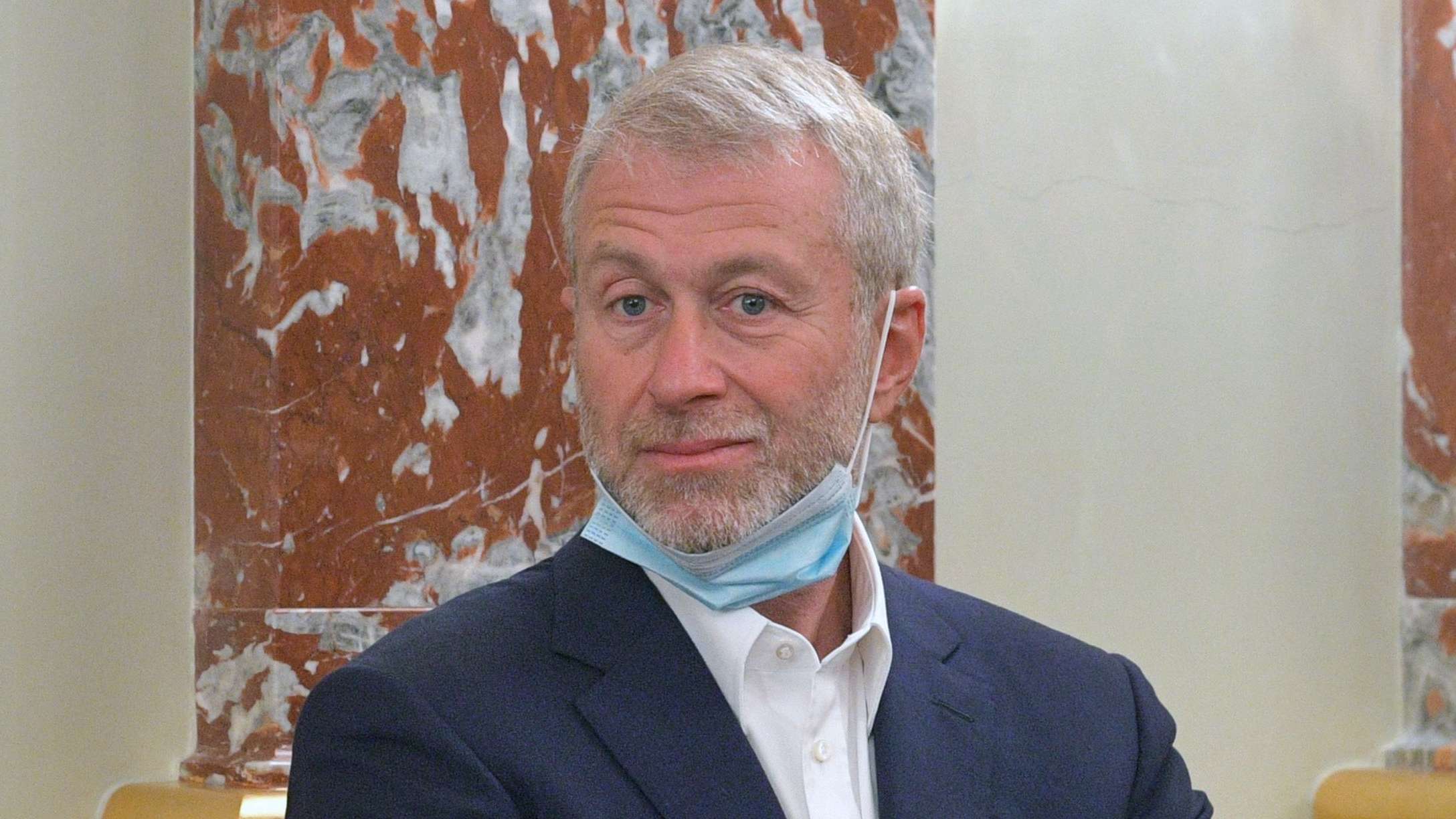

Roman Abramovich Reveals Details of Chelsea Sale in Upcoming Book
Russian billionaire Roman Abramovich has recently shared insights into the forced sale of Chelsea Football Club in 2022. The revelations are part of a book set to be published this summer, providing fans with a deeper understanding of the circumstances surrounding the club’s change in ownership.
Forced Sale After Russia’s Invasion of Ukraine
The decision to sell Chelsea came in the wake of Russia’s invasion of Ukraine, a move that sparked international condemnation and led to various repercussions for Russian individuals and businesses. Abramovich, who had owned the English Premier League club since 2003, found himself at the center of controversy due to his close ties to the Russian government.
As pressure mounted on Abramovich following the invasion, he ultimately made the difficult choice to sell Chelsea in order to protect the club from potential sanctions and ensure its continued success in the competitive football landscape.
Insights into Abramovich’s Decision-Making Process
In his upcoming book, Abramovich delves into the emotional turmoil he experienced during this period of upheaval. The book promises to offer readers a glimpse into the inner workings of Abramovich’s mind as he navigated the complex intersection of politics, business, and personal loyalties.
By sharing his perspective on the sale of Chelsea, Abramovich aims to shed light on the challenges faced by football club owners in today’s globalized world. The book is expected to provide valuable insights for fans, pundits, and industry professionals alike, offering a rare behind-the-scenes look at the high-stakes decisions that shape the future of top-tier football clubs.
Impact on Chelsea and the Premier League
The sale of Chelsea marked a significant turning point for the club, ushering in a new era under fresh ownership. While Abramovich’s tenure had been marked by unprecedented success on the pitch, including multiple Premier League titles and a historic UEFA Champions League triumph, the transition to new ownership brought about a period of uncertainty and change for Chelsea fans.
As the club’s new owners took the reins, supporters eagerly awaited news of their plans for the future and the impact they would have on Chelsea’s performance in domestic and international competitions. The sale also raised questions about the broader implications for the Premier League, with observers speculating on the potential ramifications for club ownership and financial stability in the wake of geopolitical events.
Looking Ahead to a New Chapter for Chelsea
With Abramovich’s upcoming book set to offer a comprehensive look at the events leading up to the sale of Chelsea, fans can gain a deeper understanding of the challenges faced by one of the most influential figures in English football. As the club continues to forge ahead under new ownership, the insights shared by Abramovich are sure to provide valuable context for supporters as they look to the future with optimism and anticipation.
Stay tuned for the release of Roman Abramovich’s book this summer, as the football world eagerly awaits the revelations and reflections of one of the sport’s most enigmatic and influential personalities.
Chelsea’s Legacy Under Abramovich
During Roman Abramovich’s ownership, Chelsea Football Club experienced a transformation from a mid-table Premier League team to a dominant force in English and European football. The influx of Abramovich’s wealth allowed the club to attract top talent, invest in world-class facilities, and compete for trophies on a consistent basis.
Under Abramovich’s stewardship, Chelsea won five Premier League titles, five FA Cups, three League Cups, and the UEFA Champions League. The club’s success on the field elevated its profile globally, attracting a legion of fans and establishing Chelsea as one of the elite clubs in world football.
However, Abramovich’s tenure was not without controversy. Critics pointed to the club’s rapid rise to the top as emblematic of the growing influence of money in modern football. The influx of foreign investment and the era of billionaire owners raised questions about the sustainability and fairness of the sport, sparking debates about financial doping and the widening gap between the haves and have-nots in football.
The Future of Football Ownership
The sale of Chelsea in the aftermath of geopolitical events like Russia’s invasion of Ukraine raised important questions about the role of club owners in today’s interconnected world. The incident underscored the intertwined nature of politics, business, and football, shining a spotlight on the challenges faced by owners who straddle multiple spheres of influence.
As football clubs become increasingly globalized and commercialized, the actions of owners like Abramovich have far-reaching consequences that extend beyond the confines of the pitch. The sale of Chelsea served as a stark reminder of the complexities involved in owning and operating a top-tier football club in the modern era, where decisions made in the boardroom can have profound implications for fans, players, and the wider football community.
Lessons Learned from Abramovich’s Sale of Chelsea
As fans eagerly await the release of Abramovich’s book, there is a sense of anticipation regarding the insights and revelations that will emerge from the billionaire owner’s perspective. The sale of Chelsea represents a pivotal moment in the club’s history, one that offers valuable lessons for both current and aspiring football club owners.
By examining Abramovich’s decision-making process, fans and industry insiders alike can gain a better understanding of the complexities and challenges inherent in football ownership. The book is likely to provide a nuanced portrayal of the pressures faced by owners in the modern game, offering a behind-the-scenes look at the personal, political, and financial considerations that influence key decisions.
Ultimately, Abramovich’s sale of Chelsea serves as a cautionary tale and a reminder of the fragility of success in the world of football. It highlights the importance of responsible ownership, strategic planning, and a long-term vision for sustainable growth, underscoring the need for transparency, accountability, and ethical leadership in the management of football clubs.
Conclusion
As Roman Abramovich prepares to share his side of the story in his forthcoming book, the football world braces for a revealing and insightful account of the events that led to the sale of Chelsea Football Club. The book promises to offer a rare glimpse into the inner workings of one of football’s most enigmatic figures, shedding light on the complexities, challenges, and sacrifices inherent in the world of football ownership.
With the legacy of Abramovich’s tenure at Chelsea still resonating in the hearts of fans around the world, the release of his book will undoubtedly spark discussions, debates, and reflections on the past, present, and future of football. As the sport continues to evolve and adapt to the changing landscape of modern football, Abramovich’s insights are sure to provide valuable lessons and perspectives for all stakeholders in the beautiful game.