
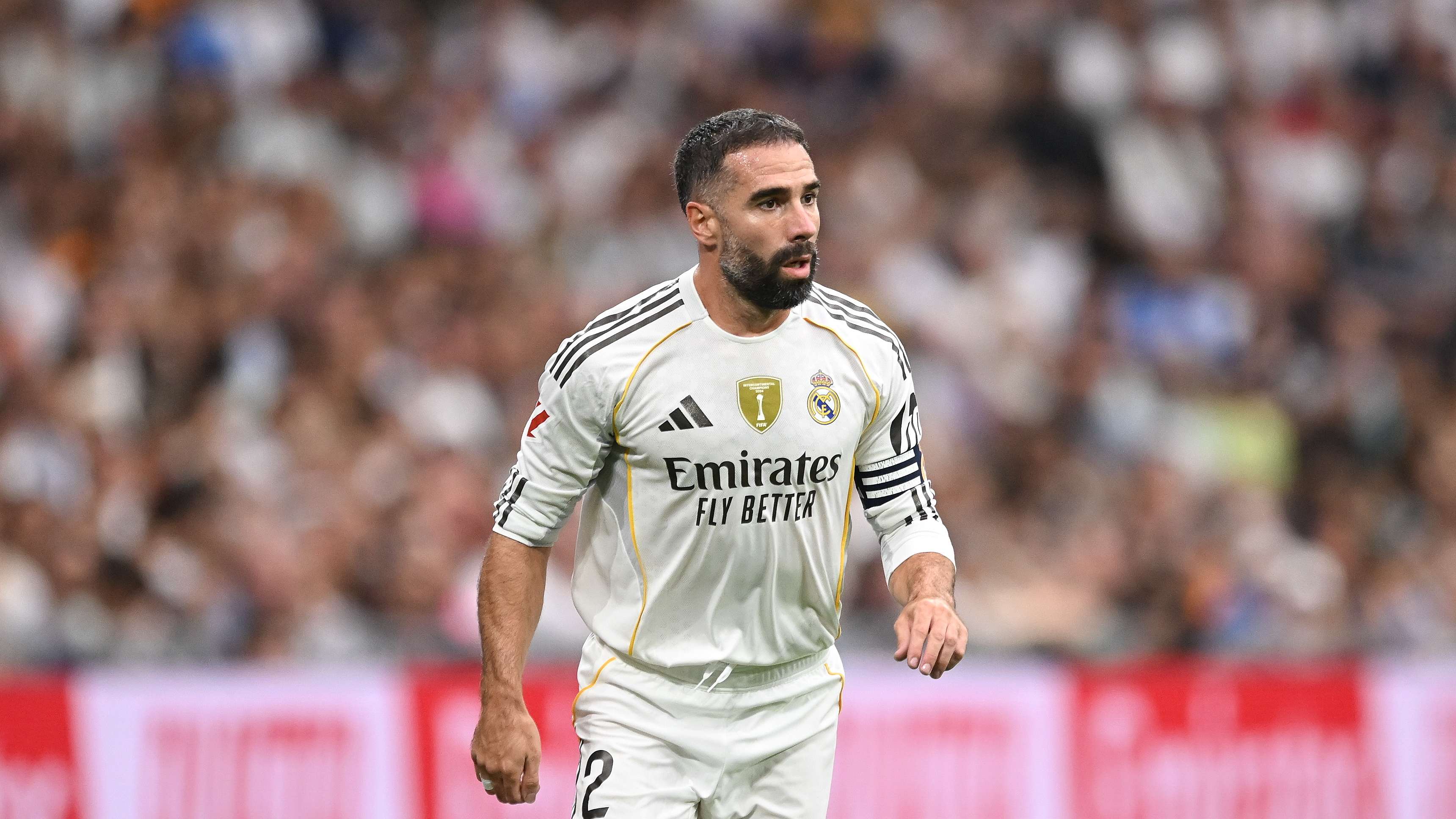

Real Madrid Captain Dani Carvajal Criticizes La Liga’s Miami Match Proposal
Real Madrid captain Dani Carvajal has spoken out against La Liga’s controversial plan to host a league match in Miami, labeling it as “a clear distortion of the competition.” The proposed fixture between Villarreal and Barcelona, scheduled for December 20 in the United States, was ultimately canceled due to significant opposition from players, fans, and clubs throughout Spain.
Backlash Against La Liga’s Miami Match Proposal
The announcement of La Liga’s intention to hold a regular-season game overseas sparked outrage within the Spanish football community. Carvajal, a seasoned veteran and respected figure in the sport, voiced his disapproval of the decision, emphasizing the detrimental impact it could have on the integrity of the league.
“Playing a league match in Miami would have been a clear distortion of the competition,” Carvajal stated. “It’s important to preserve the essence and tradition of Spanish football, and staging games thousands of miles away goes against that principle.”
Concerns Over Commercialization and Player Welfare
One of the primary concerns raised by critics of the Miami match proposal was the commercialization of the sport at the expense of its core values. Many argued that prioritizing financial gain over the well-being of players and the authenticity of the competition would set a dangerous precedent for the future of La Liga.
In addition to the ethical considerations, there were also practical issues surrounding logistics and player welfare. The long-distance travel required for teams to participate in the match posed challenges in terms of recovery time, preparation, and overall performance on the pitch.
Impact of Public Outcry
The overwhelming backlash from various stakeholders within Spanish football ultimately led to the cancellation of the Villarreal vs Barcelona match in Miami. The decision to uphold the traditional format of the league schedule was met with relief and approval from those who had opposed the proposed disruption.
While the debate over international fixtures continues to evolve in the world of football, Carvajal’s stance against the Miami match serves as a reminder of the importance of upholding the integrity and authenticity of the game.
Looking Ahead
As La Liga navigates the complexities of balancing commercial interests with the fundamental principles of football, the controversy surrounding the Miami match proposal highlights the ongoing tension between tradition and innovation in the sport. The decision to prioritize the traditional structure of the league schedule reflects a commitment to preserving the heritage and spirit of Spanish football.
While the debate over international expansion in football persists, the voices of players like Dani Carvajal play a crucial role in shaping the future direction of the sport. As fans, clubs, and governing bodies weigh the potential benefits and drawbacks of global expansion, the essence of the game remains at the heart of the discussion.
Impact of Globalization on Football
The debate over hosting matches in international locations is not unique to La Liga. In recent years, football leagues around the world have been exploring opportunities for global expansion to increase their fan base, viewership, and revenue. While this can lead to exciting new opportunities for the sport, it also raises questions about the impact on the traditional elements of the game.
Globalization has brought football to new markets and audiences, allowing fans from all corners of the world to engage with their favorite teams and players. However, the push for international matches has sparked concerns about the potential dilution of local football cultures and traditions.
Balancing Commercial Interests and Sporting Values
At the heart of the debate surrounding the Miami match proposal is the delicate balance between commercial interests and the sporting values that underpin football. While expanding into new markets can bring financial benefits to leagues and clubs, it is essential to consider the impact on players, fans, and the overall integrity of the competition.
Players like Dani Carvajal serve as advocates for preserving the essence of the game, reminding stakeholders of the importance of maintaining the authenticity and competitive nature of football. Their voices contribute to the ongoing dialogue about the direction of the sport in an increasingly globalized world.
Future of International Fixtures
As football continues to evolve in the digital age, with advancements in technology enabling fans to connect with the game from anywhere in the world, the discussion around international fixtures will likely persist. Leagues and governing bodies will need to navigate the complexities of balancing innovation with tradition to ensure the continued growth and success of the sport.
While the cancellation of the Miami match may have been a victory for those advocating for the preservation of the core values of Spanish football, the conversation surrounding international expansion remains ongoing. The decisions made by leagues and clubs in the coming years will shape the future landscape of the sport and determine how football adapts to the demands of a global audience.
Conclusion
The controversy surrounding La Liga’s Miami match proposal has shed light on the complexities of balancing commercial interests with the fundamental principles of football. Players like Dani Carvajal have played a crucial role in advocating for the preservation of the integrity and authenticity of the game, emphasizing the importance of tradition in the face of innovation.
As football enters a new era of globalization, the discussion around international fixtures will continue to evolve. It is essential for stakeholders to consider the impact of their decisions on players, fans, and the overall spirit of the sport as they navigate the opportunities and challenges presented by an increasingly interconnected world.
By considering the global impact of football and the ongoing debate surrounding international fixtures, fans, players, and governing bodies can work together to ensure that the essence of the game remains at the forefront of decision-making in the years to come.