
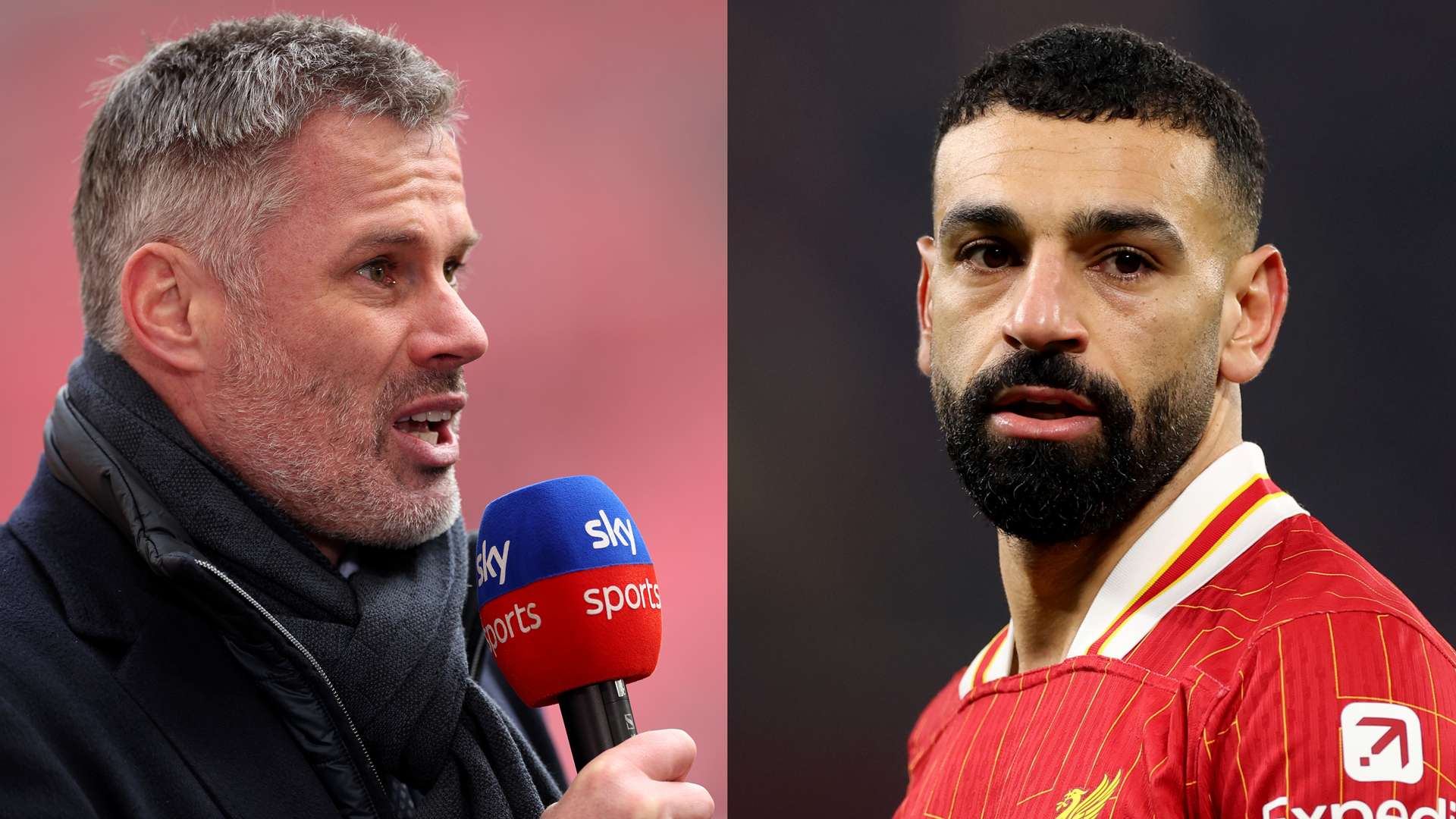

Jamie Carragher Slams Mohamed Salah’s Criticism of Liverpool
Former Liverpool player Jamie Carragher has spoken out against Mohamed Salah’s recent comments regarding his position within the team, labeling them a “disgrace” and accusing the Egyptian forward of causing “maximum damage” with his public outburst. Salah, who has been a key player for Liverpool in recent seasons, expressed his frustration at being benched by manager Arne Slot and hinted at potential discord within the team.
Salah’s Controversial Comments
Salah, 33, raised eyebrows when he suggested that Liverpool had “thrown him under the bus” by not giving him a regular spot in the starting line-up. He argued that his performance on the field warranted a place in the team and insinuated that Slot’s decisions were unjust. However, Carragher believes that Salah’s comments were ill-advised and aimed at creating instability within the club.
Carragher’s Response
Carragher, who is known for his passionate defense of Liverpool, criticized Salah for his public criticism of the team and management. The former defender suggested that Salah’s comments were more about his personal desires than the team’s success, accusing him of trying to undermine Slot’s authority and potentially get him sacked.
While Carragher acknowledged Salah’s talent and importance to the team, he emphasized the need for players to respect their manager’s decisions and work together towards a common goal. He urged Salah to focus on his performance on the field rather than creating unnecessary distractions off it.
Impact on the Team
Salah’s comments have sparked debate among Liverpool fans and pundits, with many questioning the motives behind his public outburst. Some see his frustration as a sign of his desire to play and contribute to the team’s success, while others view it as a selfish act that could harm team morale.
Slot, who has faced scrutiny in recent weeks for Liverpool’s inconsistent form, now faces added pressure to manage the situation and ensure that the team remains focused on their upcoming matches. The controversy surrounding Salah’s comments has put the spotlight on the team’s internal dynamics and raised questions about the player-manager relationship at Anfield.
Looking Ahead
As Liverpool prepares for their next fixtures, including crucial matches in the Premier League and Champions League, all eyes will be on Salah and Slot to see how they handle the fallout from this public disagreement. The team’s performance on the field will ultimately determine whether Salah’s comments were a momentary lapse in judgment or a sign of deeper issues within the club.
In conclusion, Jamie Carragher’s strong words against Mohamed Salah’s criticism of Liverpool have stirred controversy and raised important questions about player-manager relationships in professional football.
The Importance of Player-Manager Relationships
Player-manager relationships are crucial in football, as they can significantly impact team dynamics, performance, and overall success. A strong and respectful relationship between players and their manager fosters trust, unity, and effective communication within the team. When players openly criticize their manager or express dissatisfaction publicly, it can create tension, division, and disrupt the team’s harmony.
Managers like Arne Slot are tasked with making tough decisions regarding team selection, tactics, and strategy to achieve the best possible results on the field. While players may not always agree with these decisions, it is essential for them to show professionalism, dedication, and a team-first mentality. Constructive feedback and discussions behind closed doors can help address any concerns or conflicts without undermining the team’s overall objectives.
The Role of Leaders in the Team
In every football team, there are key players who serve as leaders both on and off the pitch. These leaders set examples, inspire their teammates, and uphold the values and standards of the club. Mohamed Salah, as one of Liverpool’s star players, holds a significant influence within the team. His actions and words carry weight and can impact the team’s morale and performance.
As a leader, Salah should lead by example, show respect for the manager’s decisions, and prioritize the team’s success above personal accolades. By demonstrating professionalism, humility, and teamwork, Salah can help create a positive and cohesive environment within the squad, leading to improved results and a stronger team spirit.
Managing Conflict and Building Unity
Conflicts and disagreements are inevitable in any competitive environment, including professional football. However, how these conflicts are managed and resolved can make a significant difference in the team’s cohesion and performance. Effective communication, mutual respect, and a shared commitment to the team’s goals are essential in overcoming challenges and building unity.
Managers like Arne Slot play a critical role in mediating conflicts, addressing player concerns, and maintaining a positive team culture. By fostering an environment of trust, transparency, and open dialogue, managers can prevent misunderstandings, clarify expectations, and ensure that everyone is working towards a common objective. Building strong relationships within the team is key to achieving success on the field.
Final Thoughts
While Mohamed Salah’s criticism of Liverpool may have stirred controversy and divided opinions, it also presents an opportunity for reflection and growth within the team. By addressing the underlying issues, clarifying expectations, and reinforcing the values of teamwork and respect, Liverpool can emerge stronger and more united than before.
Ultimately, football is a team sport that requires collaboration, sacrifice, and a collective effort to achieve success. As Liverpool navigates through this challenging period, the focus should remain on working together, supporting one another, and striving towards common goals. By learning from this experience, both players and management can emerge stronger and more resilient, ready to face any obstacles that come their way.