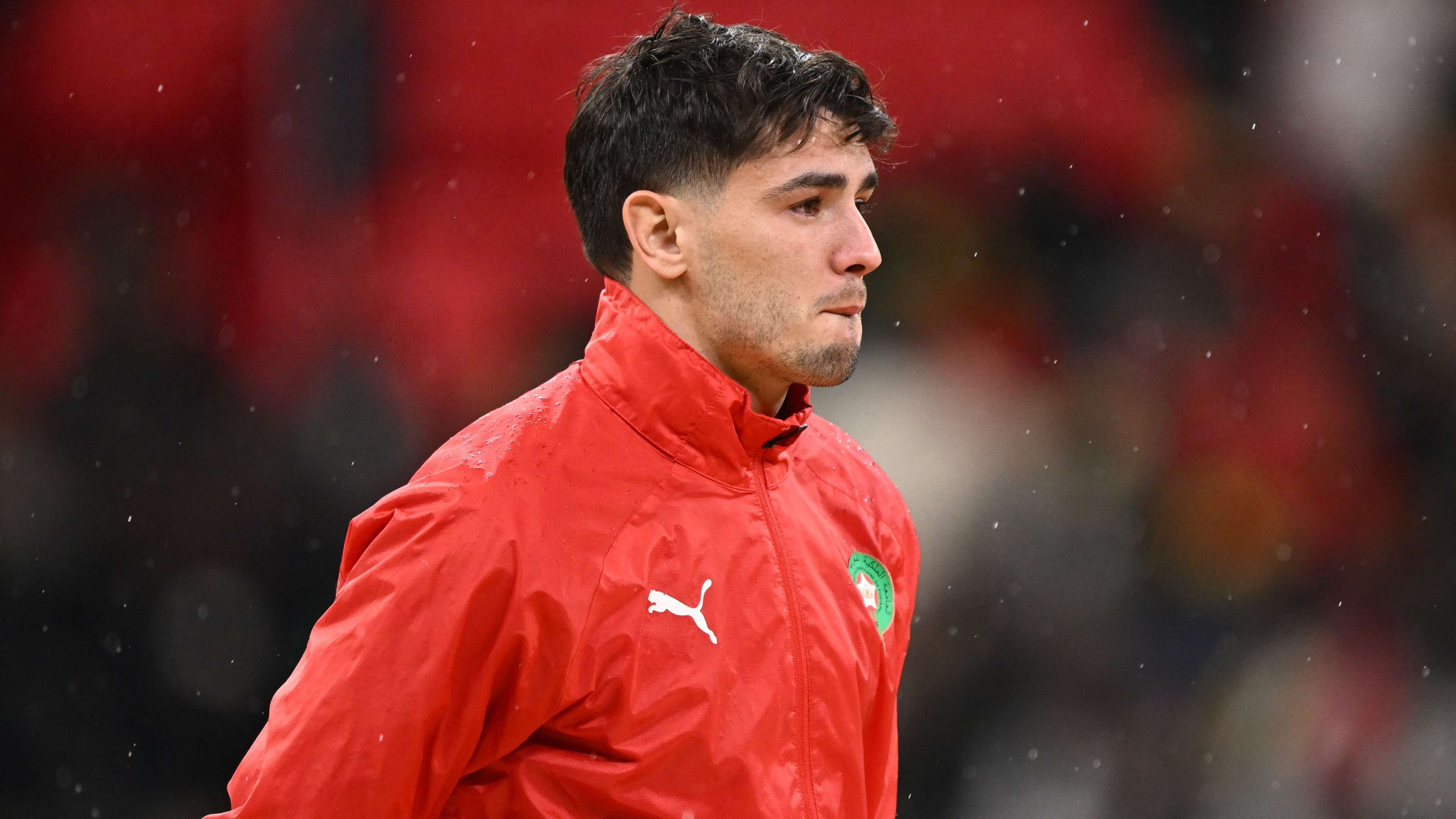

Real Madrid’s Brahim Diaz came under intense criticism from former Paris Saint-Germain winger Jerome Rothen for his failed Panenka penalty during the African Cup Of Nations final. Rothen’s scathing attack on Diaz has sparked controversy in the football world, with many fans and pundits weighing in on the situation.
Rothen’s Critique of Brahim Diaz
Jerome Rothen did not hold back in his assessment of Brahim Diaz’s penalty mishap in the African Cup Of Nations final. The former PSG player accused Diaz of attempting to humiliate Senegal with his Panenka penalty, which ultimately backfired. Rothen described the move as “scandalous” and highlighted the lack of respect it showed towards the Moroccan team and their supporters who have been waiting 50 years for a major trophy.
Backlash from Football Fans
Rothen’s comments have sparked a heated debate among football fans and experts. While some agree with Rothen’s assessment and criticize Diaz for his reckless decision, others have come to the young player’s defense, citing his inexperience and the pressure of the moment as contributing factors to the failed penalty. The incident has reignited discussions about the risks and rewards of attempting a Panenka penalty in a high-stakes game.
Despite the backlash, Brahim Diaz has received support from his teammates and coaches at Real Madrid. The club has stood by Diaz, emphasizing the need to learn from mistakes and move forward positively. Diaz himself has expressed regret over the failed penalty but remains focused on improving and contributing to the team’s success in the future.
Lessons Learned for Diaz
The Panenka penalty incident has served as a learning opportunity for Brahim Diaz. The young player has acknowledged his error and is determined to grow from the experience. Diaz has emphasized the importance of staying focused and composed in crucial moments, vowing to work hard and improve his skills to avoid similar mistakes in the future.
Impact on Moroccan Football
The fallout from Brahim Diaz’s failed Panenka penalty has not only affected the player himself but has also had repercussions for Moroccan football as a whole. The incident has highlighted the need for players to approach key moments with respect and professionalism, especially in high-pressure situations. It has sparked discussions about sportsmanship and the importance of representing one’s country with dignity and honor.
Overall, the reaction to Brahim Diaz’s Panenka penalty in the African Cup Of Nations final serves as a reminder of the intense scrutiny and pressure that professional footballers face on a daily basis. While mistakes are inevitable, it is how players respond to adversity that ultimately defines their character and legacy in the sport.
In conclusion, Brahim Diaz’s failed Panenka penalty has stirred up controversy and debate in the football community. The incident has prompted reflection on sportsmanship, professionalism, and the importance of learning from mistakes. As Diaz continues his career with Real Madrid, he will undoubtedly carry the lessons learned from this experience with him, striving to become a better player and teammate in the future.
Strategic Considerations for Penalty Shootouts
The Panenka penalty, named after Czech player Antonin Panenka who first introduced it in the 1976 European Championship final, is a high-risk, high-reward strategy that requires nerve and precision. While it can be a powerful psychological tool to outwit goalkeepers expecting a powerful shot, it also leaves the taker vulnerable to humiliation if executed poorly. Brahim Diaz’s failed attempt serves as a cautionary tale for players considering this technique in crucial moments.
When it comes to penalty shootouts, players must weigh the potential benefits of a Panenka against the risks involved. Factors such as the opposition goalkeeper’s tendencies, the match situation, and the player’s own confidence and skill level all play a role in determining whether a Panenka is the right choice. Coaches and managers may need to work with players to develop a strategy for penalty shootouts that minimizes risks while maximizing the chances of success.
Media and Public Reaction to Player Mistakes
The incident involving Brahim Diaz also sheds light on the intense scrutiny and pressure that professional footballers face in the age of social media and instant communication. In today’s digital landscape, players are subject to immediate judgment and criticism from fans, pundits, and former players, as seen in Rothen’s comments on Diaz’s penalty. This constant feedback loop can impact players’ mental health and confidence, highlighting the importance of resilience and support systems within the football community.
Furthermore, the public reaction to player mistakes can sometimes overlook the human aspect behind the performance. Players like Brahim Diaz are young athletes who are still developing their skills and learning from their experiences. While criticism is a natural part of sports, it is essential to balance accountability with empathy and understanding, recognizing that mistakes are opportunities for growth and improvement.
Long-Term Implications for Brahim Diaz
As Brahim Diaz navigates the aftermath of his failed Panenka penalty, he has the opportunity to turn this setback into a valuable lesson for his career. How he responds to adversity, both on and off the pitch, will shape his development as a player and a person. By taking responsibility for his mistake, learning from it, and continuing to work hard and improve, Diaz can demonstrate resilience and maturity that will serve him well in the future.
Additionally, the support and guidance he receives from his club, teammates, and coaches at Real Madrid will be crucial in helping him bounce back from this incident. Building a strong support network and surrounding himself with positive influences can help Diaz navigate the ups and downs of professional football, ensuring that he emerges stronger and more determined to succeed.
In conclusion, the controversy surrounding Brahim Diaz’s failed Panenka penalty offers valuable insights into the complexities of professional football, from strategic decision-making on the pitch to managing public expectations and media scrutiny off the field. As Diaz continues to learn and grow from this experience, he has the opportunity to emerge as a stronger, more resilient player, equipped to handle the challenges that come with competing at the highest levels of the sport.