
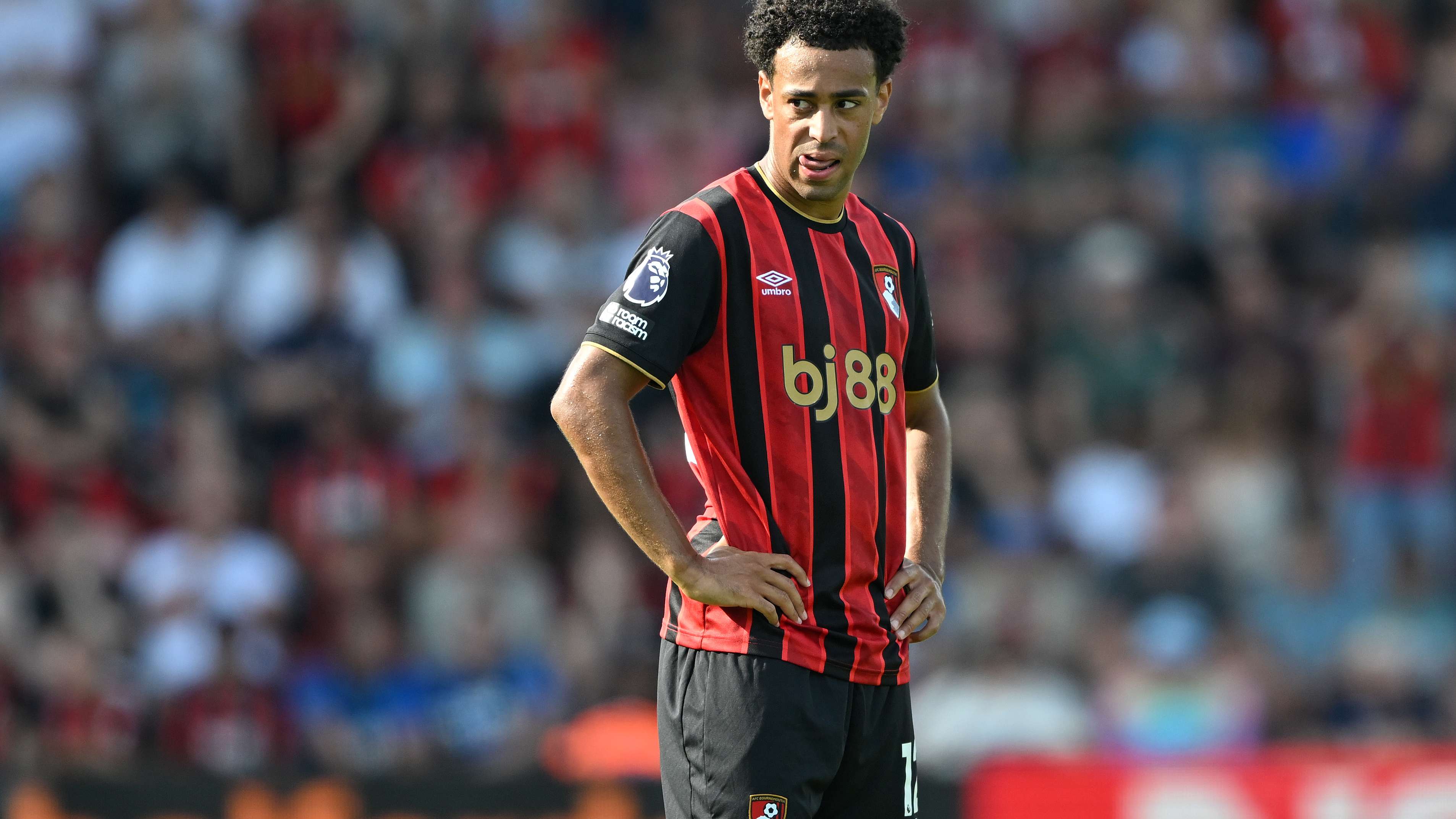

US Midfielder Tyler Adams Injured in Premier League Clash
United States midfielder Tyler Adams endured a setback during Bournemouth’s recent Premier League showdown against Manchester United. The 28-year-old American international sustained a knee injury early in the match, causing him to be substituted after just five minutes on the field.
Concerns Over Knee Injury
Following the match, Bournemouth manager Andoni Iraola expressed worries about the severity of Adams’ injury. There are apprehensions regarding potential damage to the medial collateral ligament in Adams’ left knee, raising concerns about the midfielder’s recovery timeline and the impact on the team’s upcoming fixtures.
Adams, known for his dynamic playing style and crucial contributions to Bournemouth’s midfield, will undergo further assessments to determine the extent of the injury and the necessary course of treatment.
Impact on Bournemouth
The injury to Tyler Adams comes as a blow to Bournemouth, who are currently navigating a challenging season in the Premier League. Adams has been a key figure in the team, providing stability and creativity in midfield, as well as leadership on the pitch.
With Adams sidelined due to the knee injury, Bournemouth will need to regroup and adjust their tactics to compensate for his absence. The team will look to other players to step up and fill the void left by Adams, as they strive to maintain their competitive edge in the league.
Recovery and Return
As Tyler Adams begins his recovery process, the focus will be on rehabilitation and ensuring a safe and effective comeback to the pitch. The medical team at Bournemouth will work closely with Adams to monitor his progress and provide him with the necessary support to facilitate a successful return to full fitness.
While the exact timeline for Adams’ return remains uncertain, the midfielder is determined to work hard and make a swift recovery to rejoin his teammates on the field. His positive attitude and commitment to rehabilitation will be crucial in his journey back to competitive football.
Support from Fans
Throughout this challenging time, Tyler Adams can count on the unwavering support of Bournemouth fans and well-wishers from around the world. Messages of encouragement and solidarity have poured in for the midfielder, with fans expressing their hope for a speedy recovery and a triumphant return to the pitch.
As Adams embarks on his road to recovery, the outpouring of support from the football community will serve as a source of motivation and strength for him. The midfielder’s determination and resilience will be key as he works towards overcoming this setback and resuming his impactful presence on the field.
In conclusion, Tyler Adams’ injury has prompted concerns and raised questions about his future availability for Bournemouth. However, with a positive mindset and dedicated support system in place, Adams is poised to overcome this obstacle and make a successful comeback to the pitch, eager to continue making valuable contributions to his team.
Importance of Predicting Player Injuries in Football
Player injuries in football can have a significant impact on a team’s performance and overall season outcomes. As seen in the case of Tyler Adams, a key player’s injury can disrupt team dynamics, affect tactics, and create challenges in maintaining competitive form. That is why predicting and managing player injuries has become a crucial aspect of football analysis and strategy.
The Role of Data Analytics in Injury Prediction
In recent years, data analytics has played a vital role in predicting and preventing player injuries in football. By analyzing a player’s physical data, movement patterns, and workload, teams can identify potential injury risks and implement preventive measures to minimize the chances of players getting injured. This proactive approach not only helps in safeguarding players’ well-being but also ensures team continuity and performance consistency.
Managing Player Workload and Recovery
Another essential aspect of injury prevention is managing player workload effectively. By monitoring factors such as training intensity, match minutes, and recovery periods, teams can optimize their players’ physical condition and reduce the risk of injuries due to overexertion. Additionally, having a robust recovery program in place, as Tyler Adams will undergo, can expedite the healing process and facilitate a quicker return to play.
Adapting Tactics in Response to Injuries
When a key player like Tyler Adams gets injured, teams must adapt their tactics and strategies to compensate for the absence. This may involve reshuffling the formation, assigning new roles to other players, or implementing alternative game plans to maintain competitiveness. Flexibility and adaptability are crucial in navigating through such challenges and ensuring that the team continues to perform at its best despite the setback.
The Psychological Impact of Injuries on Players
Aside from the physical implications, injuries can also have a significant psychological impact on players. Dealing with the frustration of being sidelined, the fear of re-injury, and the pressure to make a successful comeback can take a toll on a player’s mental well-being. Therefore, providing adequate emotional support, mental health resources, and encouragement to injured players is essential in helping them cope with the challenges and maintain a positive mindset throughout their recovery process.
Looking Ahead: Tyler Adams’ Road to Recovery
As Tyler Adams embarks on his journey to recovery, the football world will be watching closely to see how he progresses and when he will make his comeback. With the support of his team, medical staff, and fans, Adams will have the motivation and resources necessary to overcome his injury and return stronger than ever.
While the road to recovery may be challenging, Tyler Adams’ determination and resilience will be key factors in his successful comeback. Fans and well-wishers will continue to rally behind him, eager to see him back on the pitch and making a positive impact for Bournemouth once again.
Conclusion
Injuries are an inevitable part of football, but how teams and players respond to them can make all the difference in their season outcomes. By utilizing data analytics, managing player workload effectively, adapting tactics, and providing emotional support, teams can navigate through injuries and emerge stronger on the other side. As Tyler Adams undergoes his recovery process, his story serves as a reminder of the challenges and resilience inherent in professional football, highlighting the importance of injury prediction and management in the sport.
