
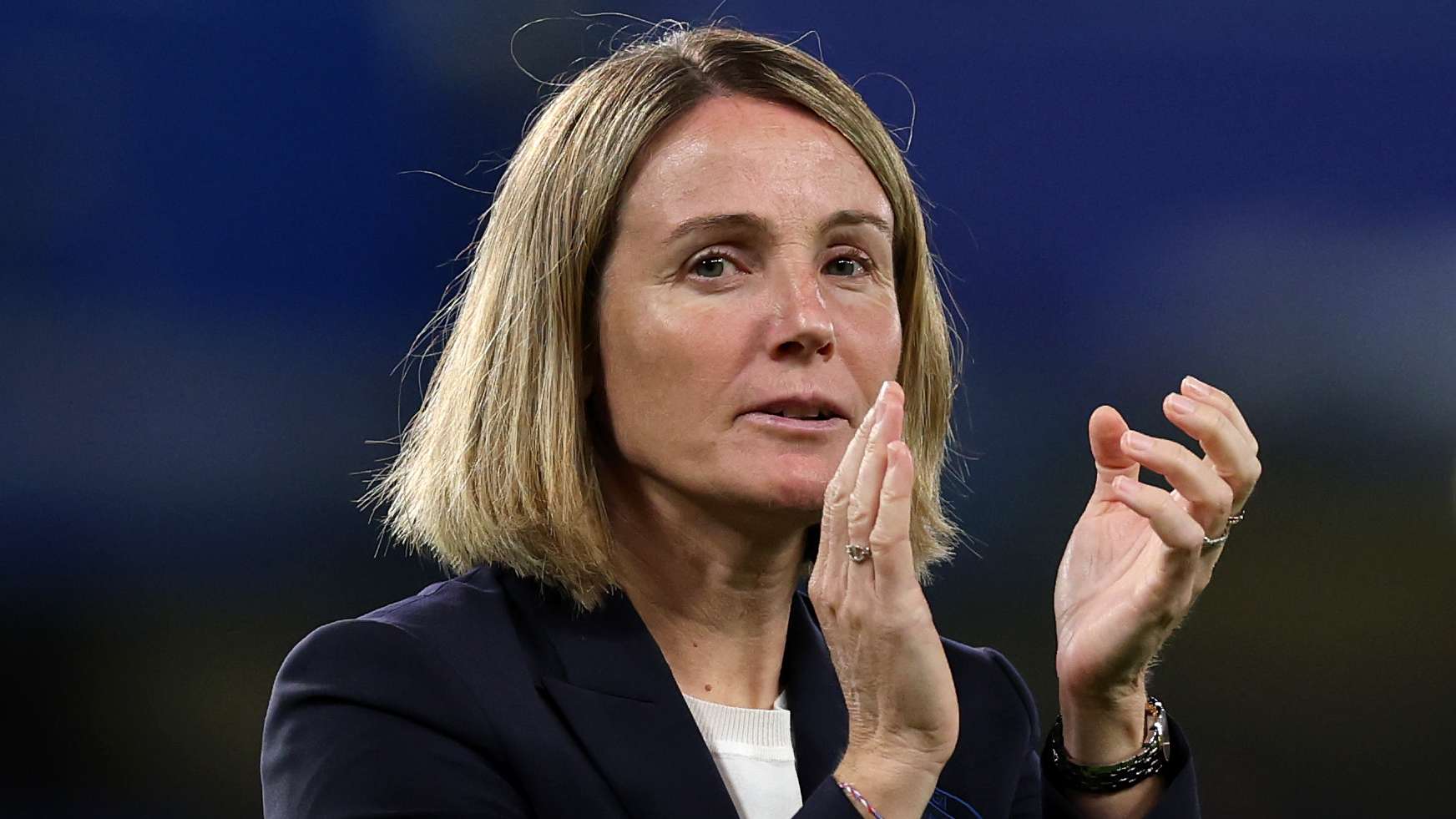

Chelsea Manager Sonia Bompastor Faces Sexist Questioning
Chelsea Women’s manager, Sonia Bompastor, recently opened up about the sexism she faces in her role as a female coach in football. Despite her impressive achievements, including leading Chelsea to a historic domestic treble last season, Bompastor revealed that she is often asked questions that male coaches would never have to answer.
Gender Bias in Football
Bompastor shared that one of the most outrageous questions she has been forced to address is whether she can effectively balance being a mother of four children with her responsibilities as the manager of one of the biggest clubs in women’s football. This line of questioning highlights the gender bias that still exists in the football industry, where women in leadership positions are often scrutinized in ways that their male counterparts are not.
Despite her success on the field, Bompastor continues to face doubts and skepticism simply because of her gender. This highlights the ongoing challenges that women face in breaking through the glass ceiling in the male-dominated world of football.
Breaking Down Stereotypes
As a trailblazer in women’s football, Bompastor is determined to challenge stereotypes and pave the way for other women in the sport. By speaking out about the sexist questioning she faces, she is shedding light on the inequalities that still exist in football and advocating for change.
Bompastor’s courage and resilience in the face of adversity serve as an inspiration to young girls and aspiring female coaches who dream of making a mark in football. Her story is a powerful reminder that gender should never be a barrier to success in any field.
Looking Ahead
Despite the challenges she faces, Bompastor remains focused on leading Chelsea Women to further success on the pitch. With her determination and dedication, she is determined to prove her critics wrong and show that gender should never stand in the way of achieving greatness in football.
As the football industry continues to evolve and become more inclusive, it is essential that women like Sonia Bompastor are given the respect and recognition they deserve for their contributions to the sport. By speaking out against sexism and gender bias, Bompastor is helping to create a more equitable and welcoming environment for women in football.
Ultimately, Bompastor’s story serves as a powerful reminder of the importance of diversity and inclusion in football and the need to break down barriers that prevent women from reaching their full potential in the sport.
Keywords: football, prediction
The Rise of Female Coaches in Football
Over the past decade, there has been a noticeable increase in the number of female coaches taking on leadership roles in football. This shift is a positive sign of progress towards gender equality in the sport. Women like Sonia Bompastor are breaking down barriers and proving that they have the knowledge, skills, and capabilities to succeed in coaching positions traditionally held by men.
With more female coaches entering the football industry, there is a growing recognition of the unique perspective and approach they bring to the game. Their presence not only diversifies the coaching landscape but also inspires young girls to pursue careers in football, whether as players, coaches, or administrators.
The Impact of Representation
Representation matters in all aspects of life, including sports. When young girls see women like Sonia Bompastor thriving in leadership roles in football, it sends a powerful message that their gender should not limit their aspirations. By challenging stereotypes and pushing boundaries, female coaches are paving the way for future generations of women to pursue their dreams in football.
It is crucial for the football industry to support and uplift female coaches like Bompastor, not only through words but also through actions. Providing equal opportunities, resources, and respect to women in coaching positions is essential for creating a more inclusive and equitable environment for all individuals involved in the sport.
Changing the Narrative
As discussions around gender equality and diversity in football continue to gain momentum, it is evident that there is still work to be done. The experiences shared by Sonia Bompastor highlight the persistent challenges faced by women in football, but they also serve as a catalyst for change.
By addressing and confronting sexist questioning and biases head-on, individuals like Bompastor are driving important conversations and advocating for a more inclusive and respectful sporting culture. Through their resilience and determination, they are challenging the status quo and pushing for a more level playing field for all individuals involved in football.
The Future of Women in Football
Looking ahead, it is clear that the future of women in football is bright. With trailblazers like Sonia Bompastor leading the way, there is a growing momentum towards greater gender equality and representation in the sport. As more women break into coaching, administrative, and leadership roles in football, the industry as a whole stands to benefit from their diverse perspectives and experiences.
It is essential for stakeholders in football, including clubs, governing bodies, and fans, to support and champion the advancement of women in the sport. By fostering a culture of respect, inclusivity, and equal opportunity, we can create a more vibrant and thriving football community that celebrates the contributions of all individuals, regardless of gender.
Ultimately, the journey towards gender equality in football is ongoing, but with each step forward, we come closer to a more inclusive and progressive future for the sport. Women like Sonia Bompastor are at the forefront of this movement, and their courage and determination will undoubtedly shape the landscape of football for generations to come.