
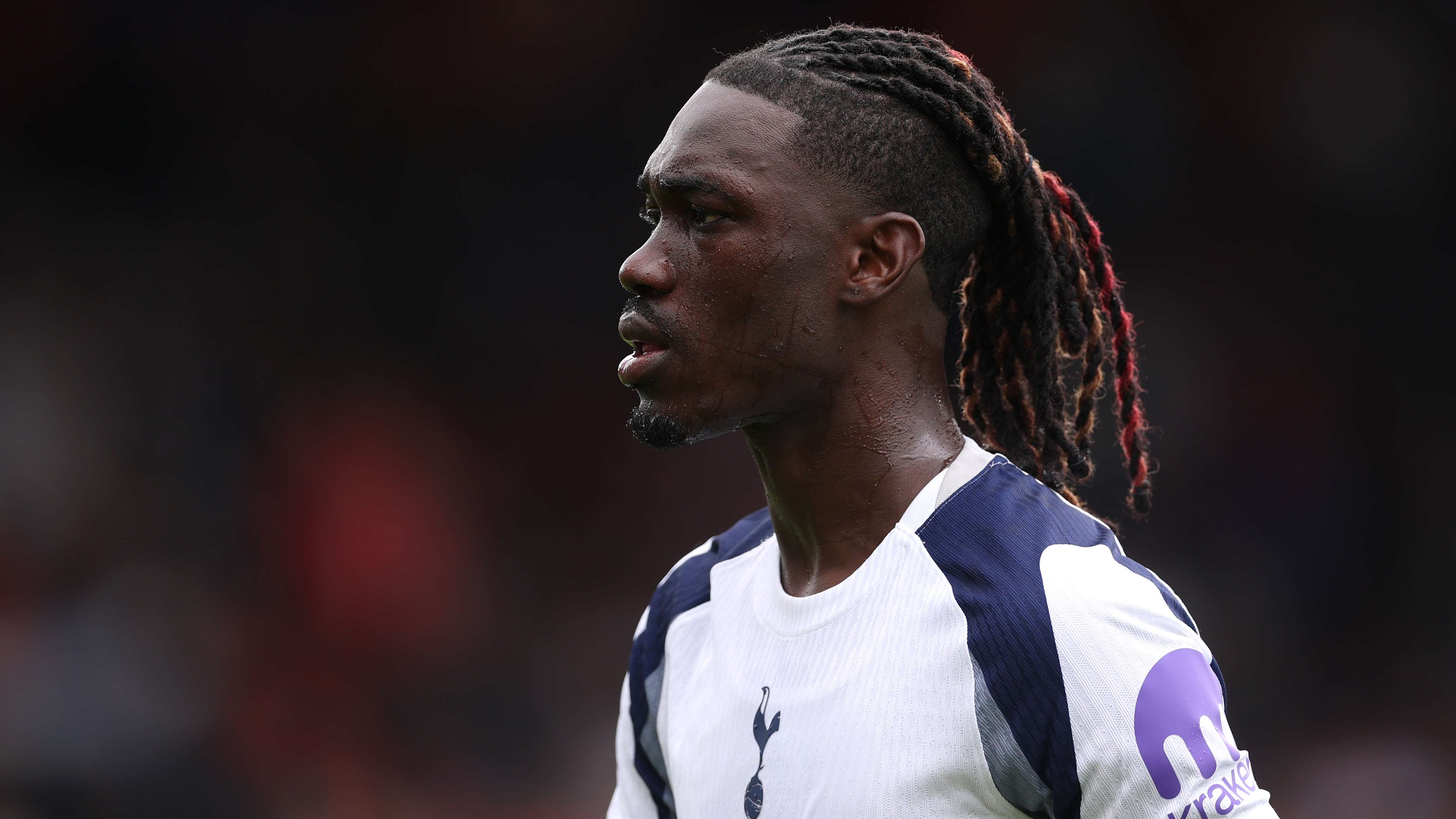

Tottenham Hotspur Midfielder Yves Bissouma Apologizes for Nitrous Oxide Use
Tottenham Hotspur midfielder Yves Bissouma has issued a public apology after being caught using nitrous oxide for the second time during his time with the north London club. The Mali international admitted to turning to the substance as a coping mechanism for the mental anguish he has been experiencing.
Personal Struggles
Bissouma revealed that he has been dealing with severe emotional distress following a series of thefts at his home, where numerous valuable items were stolen. This traumatic experience has left him feeling shattered, paranoid, and in a state of depression. In an attempt to numb the pain and escape from his reality, he turned to nitrous oxide, also known as laughing gas.
Despite his attempts to seek solace in substance use, Bissouma acknowledges that it was a mistake and takes full responsibility for his actions. He expressed remorse for his behavior and assured fans that he is committed to seeking help and making better choices moving forward.
Support from the Club
Tottenham Hotspur has shown support for Bissouma during this challenging time, emphasizing the importance of mental health and well-being. The club has made resources available to the midfielder to assist him in addressing his struggles and getting the help he needs.
Manager Jose Mourinho also spoke out in support of Bissouma, praising his courage in opening up about his mental health difficulties. Mourinho emphasized the importance of prioritizing mental wellness and offered his full backing to the player as he navigates through this tough period.
Lessons Learned
Through this experience, Bissouma hopes to raise awareness about the impact of mental health issues on athletes and the importance of seeking help when needed. He encourages others who may be struggling to reach out for support and not resort to harmful coping mechanisms.
As Bissouma continues to work on his mental well-being, he remains committed to his football career and is determined to bounce back stronger than ever. He is grateful for the support he has received from his teammates, the club, and fans, and is focused on moving forward in a positive direction.
Conclusion
In conclusion, Yves Bissouma’s public apology for his nitrous oxide use sheds light on the mental health challenges that athletes can face. His story serves as a reminder of the importance of prioritizing mental wellness and seeking help when struggling. By sharing his struggles openly, Bissouma is paving the way for destigmatizing mental health issues in the world of professional football.
Keywords: football, prediction, Yves Bissouma, Tottenham Hotspur, mental health, nitrous oxide, support, coping mechanisms, awareness.
Impact of Mental Health Issues on Footballers
Yves Bissouma’s admission of using nitrous oxide as a coping mechanism highlights the often overlooked mental health challenges faced by professional footballers. The intense pressure to perform, constant scrutiny from fans and media, and the demands of a highly competitive environment can take a toll on players’ mental well-being. Bissouma’s story serves as a powerful reminder that athletes, like anyone else, are susceptible to mental health struggles and may need support and understanding.
Many footballers, past and present, have spoken out about their battles with mental health issues. From depression and anxiety to addiction and stress-related disorders, the list of challenges faced by players is extensive. The stigma surrounding mental health in sports has gradually decreased in recent years, allowing more athletes to come forward and seek help without fear of judgment.
Support Systems in Professional Football
Professional football clubs are increasingly recognizing the importance of mental health support for their players. Many clubs now have dedicated mental health professionals, psychologists, and counselors on staff to assist players in times of need. These resources offer a confidential and safe space for athletes to discuss their struggles, seek guidance, and receive the necessary support.
In addition to club support, football governing bodies and player associations have also implemented mental health initiatives to raise awareness and provide resources for players across all levels of the sport. These initiatives aim to promote mental well-being, reduce stigma, and encourage open conversations about mental health in football.
The Role of Predictions in Mental Health
One aspect that often goes unnoticed is the role of predictions in mental health. Athletes, including footballers like Yves Bissouma, may feel overwhelmed by the expectations placed on them by fans, coaches, and the media. The pressure to meet or exceed these predictions can contribute to stress, anxiety, and other mental health issues.
By acknowledging the impact of predictions on mental health, players can learn to manage expectations more effectively. Setting realistic goals, focusing on personal growth rather than external validation, and seeking support when needed are essential steps in safeguarding mental well-being in the high-stakes world of professional football.
Continued Advocacy and Awareness
Yves Bissouma’s public apology and openness about his struggles with mental health serve as a catalyst for continued advocacy and awareness in the football community. His courage in sharing his story encourages others to speak up, seek help, and prioritize their mental well-being.
As the conversation around mental health in football evolves, it is essential for players, clubs, and fans to work together to create a supportive and understanding environment for those facing mental health challenges. By acknowledging the complexities of mental health in sports and promoting a culture of care and empathy, the football community can help players like Yves Bissouma thrive both on and off the field.
Yves Bissouma’s journey towards healing serves as a powerful example of resilience, growth, and the importance of prioritizing mental well-being in professional football. Through his willingness to share his struggles and seek help, he sets a positive precedent for athletes worldwide, demonstrating that it is okay to ask for support and that recovery is possible with the right resources and mindset.
Keywords: football, prediction, Yves Bissouma, Tottenham Hotspur, mental health, nitrous oxide, support, coping mechanisms, awareness, mental health initiatives.