
Slaven Bilic Expresses Frustration After Croatia’s Narrow Nations League Defeat to Spain: A Closer Look at the Controversial Match and Its Implications for Football Predictions
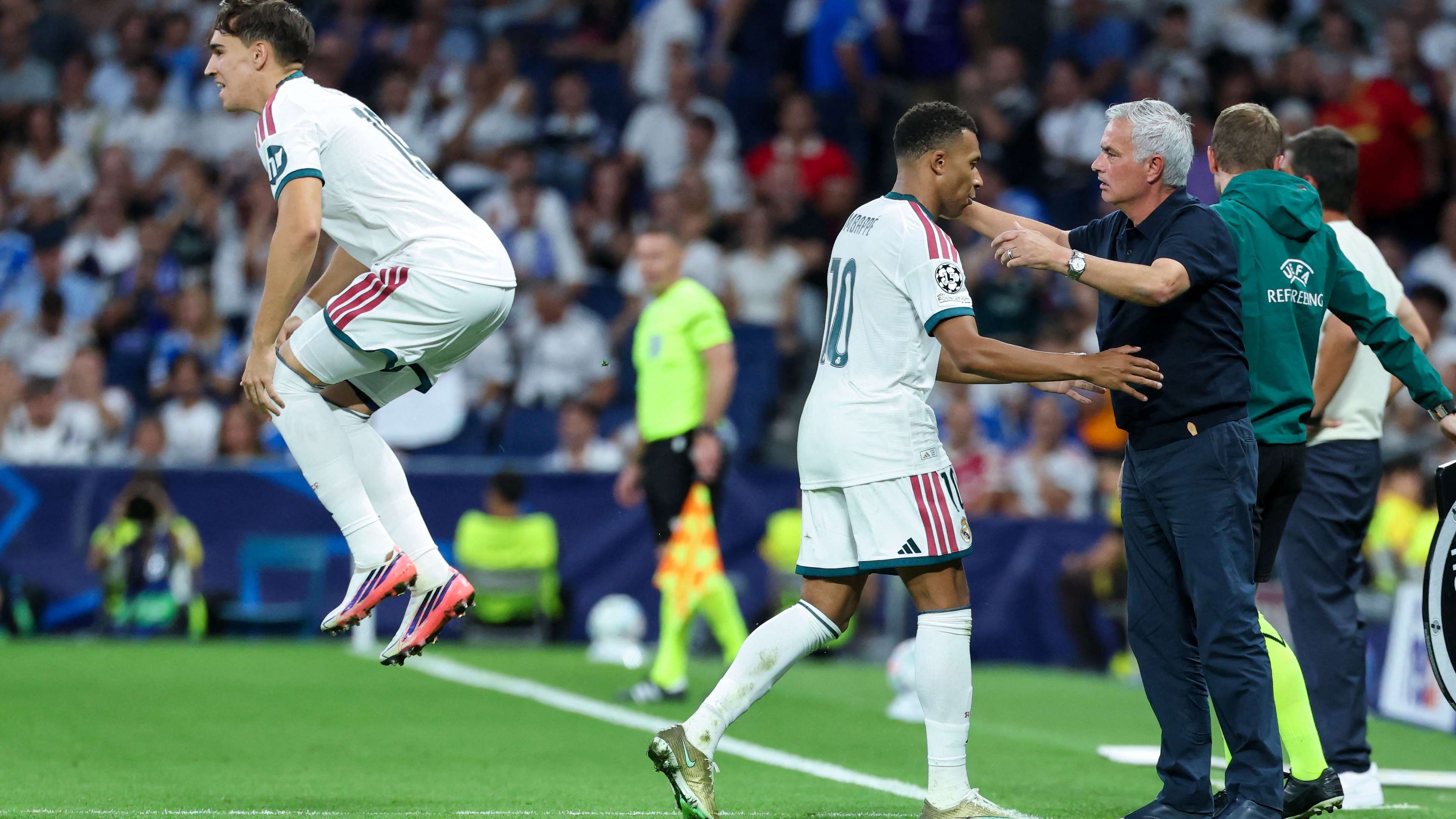
The recent UEFA Nations League clash between Croatia and Spain has ignited debate among fans and analysts alike, not only because of the intense on-field action but also due to the controversial refereeing decisions that marred the game. Head coach Slaven Bilic, a respected figure in football circles, voiced his disappointment following Croatia’s 2-1 loss in Rijeka, highlighting concerns over officiating and specific player conduct that affected the outcome. This match has quickly become a focal point for football prediction enthusiasts, as it underscores how refereeing controversies can influence game results and, consequently, betting odds and forecast models.
Analyzing the Match: Croatia’s Resilient Performance Against Spain
Despite falling short in the final score, Croatia delivered a commendable performance that demonstrated resilience and tactical discipline. Under Bilic’s guidance, the Vatreni (the Blazers) exhibited improved attacking cohesion and defensive organization, signaling their readiness to compete at the highest levels. The match itself was a compelling showcase of football, with both teams creating scoring opportunities and engaging in a high-intensity contest.
Spain, known for their possession-based style and technical prowess, sought to dominate the game from the outset. Croatia, however, responded with tactical adaptability, pressing aggressively and attempting swift counter-attacks. The first goal came from Spain’s innovative playmaker, but Croatia quickly responded, leveling the score and raising hopes of a comeback. Yet, the final moments of the match were overshadowed by contentious refereeing decisions, which Bilic and many fans believe unfairly disadvantaged his team.
The Controversial Refereeing Calls and Their Impact
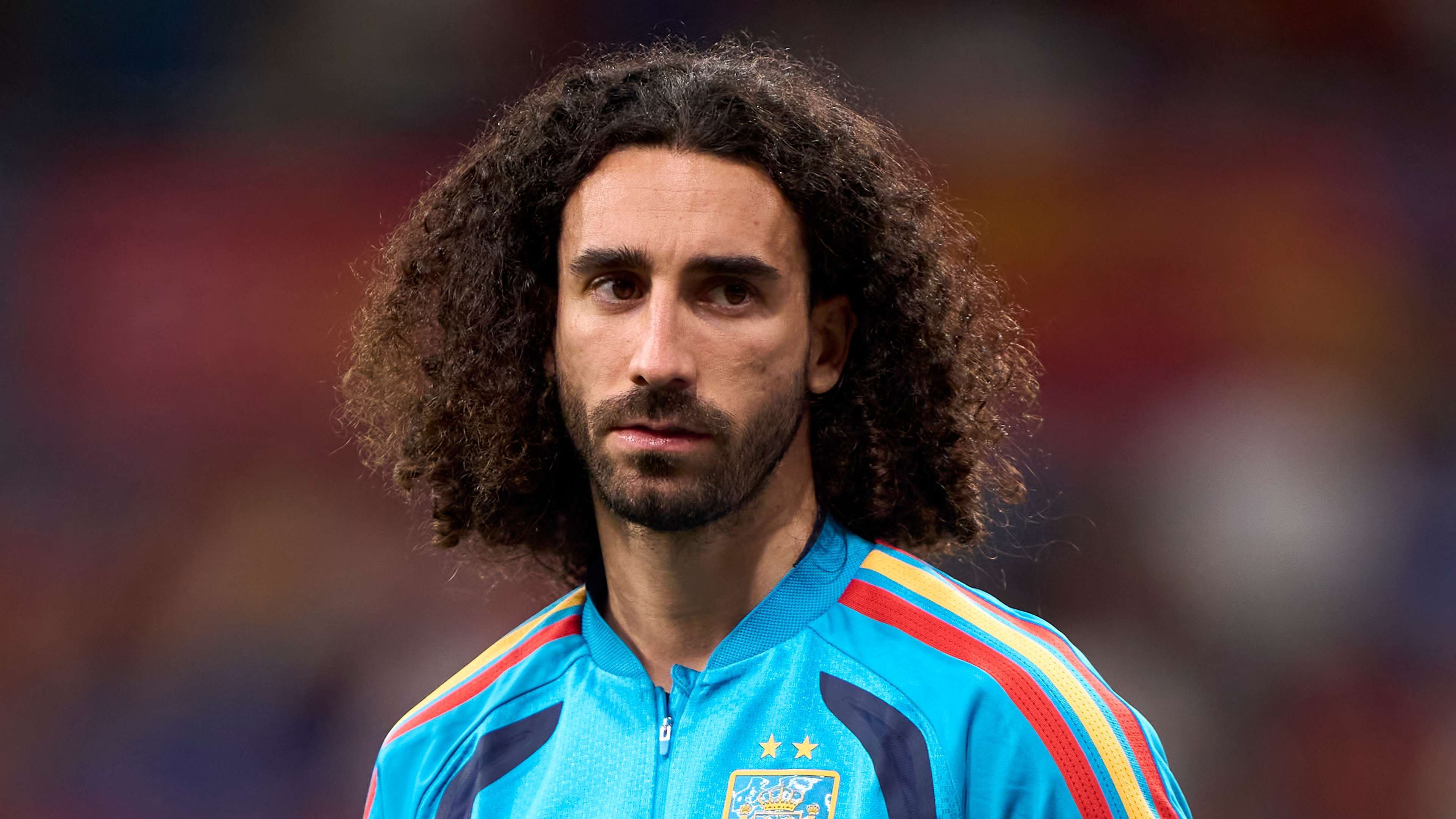
One of the pivotal moments in the game involved a series of questionable decisions that have sparked widespread debate. Croatian players and coaching staff were visibly frustrated by what they perceived as inconsistent officiating, including questionable fouls and ambiguous penalty calls. Most notably, a controversial challenge involving Croatian defender Marc Cucurella drew particular attention.
Marc Cucurella’s antics during the match became a focal point of criticism from Bilic and supporters of Croatian football. The coach criticized Cucurella for what he described as unsportsmanlike behavior and theatrical dives that disrupted the flow of the game and appeared to influence the referee’s judgment. Such actions, often seen in high-stakes football matches, raise questions about sportsmanship and the influence of player conduct on refereeing decisions, which can ultimately sway the outcome of a closely contested game.
Referees, tasked with maintaining fairness, faced immense pressure in this match, and their decisions—whether justified or not—have fueled ongoing discussions about the need for technological aids like VAR (Video Assistant Referee) to prevent such controversies. Football predictions based on match outcomes are increasingly factoring in these variables, as refereeing bias or errors can significantly alter the expected results and betting strategies.
Implications for Future Football Predictions and Betting Markets
The narrative surrounding this match offers valuable insights for football prediction models and betting enthusiasts. Controversial refereeing decisions, player misconduct, and tactical adjustments all play critical roles in determining match outcomes. As such, predictive algorithms now incorporate variables related to officiating tendencies, player behavior, and historical referee performance to enhance accuracy.
For bettors and analysts, understanding the nuances of such high-profile fixtures means recognizing that even a well-structured prediction model must account for human factors and unpredictable incidents. In this context, matches like Croatia vs. Spain serve as case studies demonstrating why football predictions are inherently complex but also why they can be refined by analyzing refereeing patterns and player conduct trends.
Looking Ahead: The Road for Croatia and Spain in the Nations League
Following this gripping encounter, both teams face pivotal fixtures that could shape their future in the Nations League. Croatia, under Bilic’s leadership, will aim to bounce back from this narrow defeat by focusing on improving discipline and minimizing refereeing controversies. The team’s resilience and tactical adaptability suggest they remain formidable opponents in upcoming fixtures.
Spain, on the other hand, will look to build on their victory, refining their attacking strategies and defensive organization. The match also highlighted areas where Spanish players need to exercise greater sportsmanship and control to avoid unnecessary disciplinary issues, which could impact their predictions and standings in the tournament.
Expert Predictions and Fan Expectations
Football prediction experts have been analyzing this game’s outcome to adjust their forecasts for upcoming fixtures involving these teams. The controversy surrounding the referee’s calls has added a layer of unpredictability, prompting analysts to weigh in on how such factors might influence future results. Fans are eager to see how both teams adapt, with many expecting Croatia to use this experience as motivation to improve, while Spain aims to capitalize on their recent success and maintain momentum.
In terms of betting markets, bookmakers are increasingly factoring in the potential for refereeing disputes, especially in matches with high stakes or intense rivalry. This evolving landscape underscores the importance of comprehensive analysis when making football predictions, as variables like player antics and officiating quality can tip the scales in tightly contested games.
Conclusion: The Significance of Fair Play and Accurate Officiating in Football Prediction
The Croatia vs. Spain match epitomizes the complex interplay between skill, strategy, human error, and sportsmanship in football. For enthusiasts of football prediction, it serves as a reminder that every game is influenced not only by the players’ talent but also by the integrity of officiating and the conduct of individuals on the pitch. As football continues to evolve with technological advancements and stricter disciplinary standards, the accuracy of predictions will likely improve, offering clearer insights for bettors and fans alike.
Ultimately, this encounter underscores the importance of maintaining fairness and transparency in football. It also highlights the need for continuous improvement in officiating standards to ensure that game outcomes reflect true sporting merit, making predictions more reliable and the sport more enjoyable for all stakeholders.