

Barcelona’s Strategic Move Impacts U.S. Soccer’s FIFA U-20 World Cup Roster
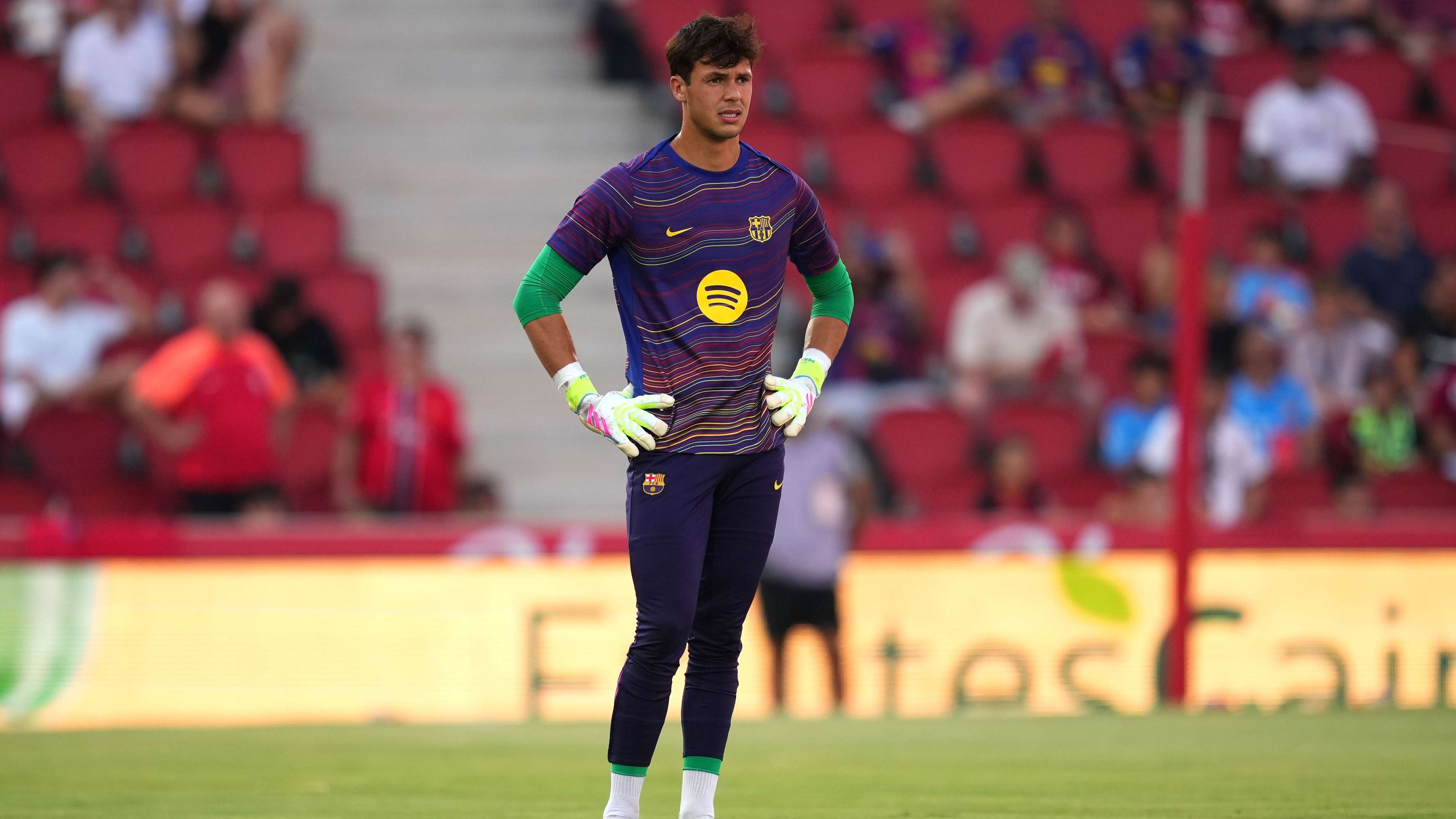
Barcelona’s recent decision to recall Diego Kochen as a backup goalkeeper has not only shaken up the team’s dynamics but has also caused a ripple effect that reaches all the way to the United States Soccer Federation and its FIFA U-20 World Cup roster.
Barcelona’s Goalkeeper Woes
Diego Kochen has been brought back to Barcelona as backup to Wojciech Szczęsny following the injury of No. 2 goalkeeper Joan García. This unexpected move comes at a time when Barcelona is already missing their star goalkeeper Marc-André ter Stegen due to a long-term injury.
With both García and ter Stegen out of commission, Barcelona found themselves in need of reinforcements to support Szczęsny. As a result, Diego Kochen, who was initially loaned out, has been called back to the team to provide additional depth in the goalkeeping department.
U.S. Soccer’s Response
The sudden return of Diego Kochen to Barcelona has forced U.S. Soccer to rethink their strategy for the upcoming FIFA U-20 World Cup. With Barcelona recalling Kochen, U.S. Soccer had to make a late change to their roster, replacing a player to accommodate the unexpected roster adjustment.
In light of Barcelona’s goalkeeper situation, U.S. Soccer has decided to bring in Brøndby’s Gavin Beavers as a replacement for Chile in the FIFA U-20 World Cup roster. Beavers, known for his agility and quick reflexes, is expected to bolster the U.S. team’s defensive capabilities and provide additional support in goal.
Impact on the FIFA U-20 World Cup
The inclusion of Gavin Beavers in the U.S. Soccer FIFA U-20 World Cup roster signifies the interconnected nature of the football world. Barcelona’s decision to recall Diego Kochen has not only affected their own team but has also had far-reaching consequences that extend to international competitions like the FIFA U-20 World Cup.
As teams around the world make strategic decisions to strengthen their squads, the ripple effects of these choices can be felt across different leagues and tournaments. The unpredictability of football, with its injuries and transfers, adds an element of excitement and challenge for both players and coaches.
Looking Ahead
With the FIFA U-20 World Cup fast approaching, U.S. Soccer is gearing up to face tough competition on the world stage. The inclusion of Gavin Beavers in the roster demonstrates the team’s adaptability and willingness to make necessary adjustments to ensure they are prepared for whatever challenges come their way.
As fans eagerly await the start of the tournament, the recent roster changes serve as a reminder of the dynamic nature of football and the need for teams to be flexible and agile in their decision-making. With talented players like Gavin Beavers stepping up to the plate, the U.S. team is poised to make a strong showing at the FIFA U-20 World Cup.
The Impact of Goalkeeper Changes in Football
Goalkeepers play a crucial role in football, often being the last line of defense for their teams. Barcelona’s recent goalkeeper shuffle highlights the importance of having depth in this position. With injuries being a common occurrence in football, having reliable backup goalkeepers can make all the difference in a team’s success.
Diego Kochen’s return to Barcelona underscores the unpredictable nature of the sport. While he may have been initially loaned out, circumstances changed, leading to his recall. This fluidity in football demonstrates the need for teams to always be prepared for unexpected developments and have contingency plans in place.
The Global Reach of Football
Football is a global sport that transcends borders, with players and teams from different countries interconnected in various ways. Barcelona’s decision to recall Diego Kochen not only impacted their own team but also had repercussions on the U.S. Soccer Federation and their FIFA U-20 World Cup roster.
The interconnectedness of the football world is evident in how one team’s decision can reverberate across continents. The U.S. Soccer Federation had to quickly adjust their roster to accommodate Barcelona’s move, showcasing the interdependence of teams and players in the sport.
The Dynamic Nature of Football
Football is a dynamic sport that is constantly evolving, with players, teams, and strategies changing to adapt to new circumstances. The inclusion of Gavin Beavers in the U.S. Soccer FIFA U-20 World Cup roster exemplifies the need for flexibility and adaptability in football.
As teams navigate injuries, transfers, and other unforeseen events, they must be able to pivot and make decisions on the fly to ensure they remain competitive. The fluidity of football keeps fans on their toes, as the landscape of the sport can shift rapidly with each passing day.
Preparing for Success
As the FIFA U-20 World Cup approaches, teams like the U.S. Soccer squad are focused on preparing for success on the global stage. The addition of Gavin Beavers to their roster is a strategic move to bolster their defensive capabilities and ensure they are well-equipped to face tough opponents.
Success in football often hinges on a team’s ability to adapt to changing circumstances and make the right decisions at the right time. With talented players like Beavers in their ranks, the U.S. team is positioning themselves for a strong showing in the upcoming tournament.
In conclusion, the recent goalkeeper changes at Barcelona and the subsequent impact on the U.S. Soccer FIFA U-20 World Cup roster highlight the interconnected and dynamic nature of football. Teams must be prepared for unexpected developments and be willing to make adjustments to stay competitive in the ever-evolving world of football.
