
Barcelona Faces Setback as Frenkie de Jong’s Injury Leaves Key Matches in Doubt
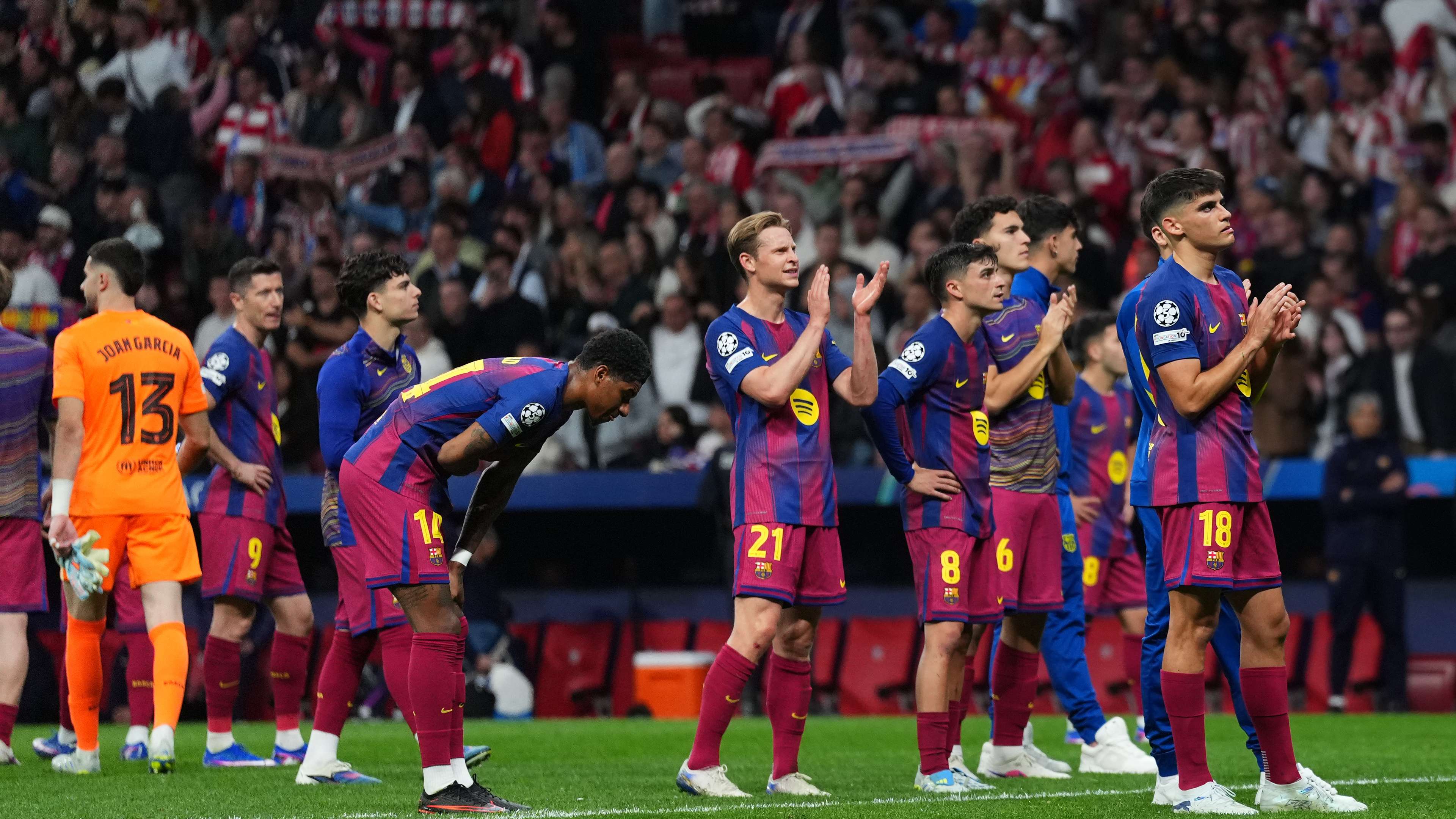
The upcoming fixtures for FC Barcelona have encountered a significant obstacle as the club’s midfield maestro, Frenkie de Jong, is unlikely to feature in their crucial matches over the next few weeks. A recent report from the Spanish sports newspaper “AS” reveals that the Dutch international midfielder is not yet fully fit, casting doubt over his participation in pivotal Champions League and La Liga encounters.
Initial Optimism Turns to Disappointment
Just days before, optimism was brewing within the Blaugrana camp. Reports on Sunday suggested that De Jong was making promising progress, with plans for him to rejoin team training shortly. The initial schedule indicated that he was expected to commence training with non-international players on October 5th, followed by integration with the full squad, including the international contingent, by October 8th. This timeline had fueled hopes that the midfielder might return in time to bolster Barcelona’s midfield strength for upcoming high-stakes matches.
The Reality Check from “AS”: A Longer Road to Recovery
However, the latest insights from “AS” paint a more cautious picture. According to their sources, De Jong remains sidelined and will not be available for selection in the immediate future. The injury concerns, which have persisted since early in the season, appear to be more complex than initially thought. At 29, Frenkie de Jong is still not fully recovered, and the club’s medical team is taking a conservative approach to ensure his full health before returning to competitive action.
This development is particularly troublesome considering the timing. Barcelona is preparing for a challenging stretch of fixtures that will test their squad depth and tactical resilience. The midfielder’s absence will be acutely felt, especially as the club aims to maintain their form in both domestic and European competitions.
Impact on Key Fixtures: Champions League and El Clásico
One of the most anticipated fixtures on Barcelona’s calendar is their upcoming Champions League clash against Paris Saint-Germain, scheduled for October 21st. This game promises to be a pivotal moment in the group stage, with both teams vying for dominance and a strong prediction favoring a tightly contested encounter. The absence of De Jong significantly weakens Barcelona’s midfield options, potentially altering the dynamics and tactical approach of the Catalan side.
Additionally, the club faces an even more high-profile challenge shortly thereafter—El Clásico against Real Madrid on October 25th. This historic rivalry often hinges on midfield battles, and losing a key player like De Jong could tilt the scales in favor of their rivals. Fans and pundits alike are now reevaluating their predictions for these fixtures, considering the impact of De Jong’s unavailability on Barcelona’s overall team strength.
What This Means for Barcelona’s Strategy and Future Prospects
Frenkie de Jong’s injury setback underscores the unpredictable nature of football, where injuries can dramatically influence team predictions and season trajectories. For Barcelona, this situation necessitates tactical adjustments. Coach Xavi Hernandez may need to rely more on younger or less experienced players in midfield, such as Pedri or Gavi, to fill the void.
Moreover, this development highlights the importance of squad depth in modern football. As the competition intensifies in both La Liga and the Champions League, Barcelona’s management might consider strategic transfers or rotations to mitigate the risks associated with injuries to key players like De Jong.
Additional Context: The Significance of De Jong’s Role
Frenkie de Jong has been a cornerstone of Barcelona’s midfield since his arrival from Ajax in 2019. Known for his exceptional ball control, vision, and versatility, he often acts as the engine of the team, linking defense and attack seamlessly. His absence not only affects team dynamics but also raises questions about Barcelona’s ability to control possession and dictate play in upcoming encounters.
In previous seasons, De Jong’s presence has been instrumental in key victories, especially in tight European matches. His ability to break lines with dribbling and create scoring opportunities makes him a vital asset in Barcelona’s tactical setup. Losing him at this juncture necessitates a recalibration of strategies and may impact the club’s prediction prospects for the remainder of the season.
Looking Ahead: How Barcelona Might Adapt
While the injury news is disappointing, Barcelona’s rich talent pool offers hope for internal solutions. Young talents like Pedri and Gavi are expected to shoulder increased responsibility in midfield, but their inexperience compared to De Jong’s seasoned presence presents a challenge. The club’s coaching staff may also explore tactical shifts, such as deploying a more defensive setup or leveraging wing play to compensate for midfield gaps.
Furthermore, the club’s medical team continues to work diligently on De Jong’s recovery, aiming for a return as soon as his condition allows. The focus remains on long-term health over short-term gains, emphasizing the importance of player well-being in team planning.
Final Thoughts: The Broader Implications for Football Predictions
This injury setback offers a reminder to football fans and analysts alike that predictions are always subject to change, especially when unforeseen factors like injuries come into play. As Barcelona navigates this period without one of their key midfielders, the football prediction landscape for their upcoming matches, particularly against PSG and Madrid, has shifted significantly. Experts now may lean towards a more cautious or balanced forecast, recognizing the impact of De Jong’s absence on team performance.
In the broader context, this situation exemplifies the importance of squad resilience and tactical flexibility in modern football. Teams that adapt swiftly and effectively to injuries often find new pathways to success, even amid adversity. Fans and pundits will be watching closely as Barcelona strives to maintain their competitive edge despite these setbacks, and the outcome of their upcoming fixtures will undoubtedly influence their season’s prediction in the coming months.
Conclusion
As FC Barcelona faces the challenge of competing without Frenkie de Jong, the club’s ability to adapt and overcome will be tested. The injury delay underscores the unpredictable nature of football prediction and emphasizes the importance of squad depth, tactical innovation, and resilience. For supporters and neutrals alike, these developments add an extra layer of intrigue to the season, with the outcome of upcoming fixtures potentially hinging on the availability of key players like De Jong. Ultimately, the club’s response to this adversity will shape their trajectory and influence how experts forecast their prospects moving forward.