
Barcelona Faces Uncertainty Over Raphinha’s Fitness Amid International Break Concerns
As the football world shifts its focus to national team fixtures, Barcelona finds itself grappling with an unsettling development: the potential injury setback of one of their key players, Raphinha. The talented winger, who has become an integral part of the Catalan club’s attacking lineup, sustained an injury while representing Brazil during the latest international break. This incident has sent ripples through the club, prompting urgent assessments of his fitness and raising questions about the management of international duties by Brazil’s coaching staff.
Raphinha’s Injury: A Blow to Barcelona’s Football Strategies
Raphinha, whose flair and creativity have revitalized Barcelona’s forward line, was reportedly caught off guard by the injury. The winger, known for his electrifying pace and precise dribbling, was participating in a high-stakes fixture for Brazil when he sustained the injury. While the exact nature and severity of the injury are yet to be officially confirmed, initial reports suggest a potential muscle strain or ligament issue that could sideline him for several weeks.
Such an injury not only hampers Raphinha’s immediate availability but also raises concerns about his long-term fitness ahead of crucial upcoming fixtures. For Barcelona, which is vying for top honors in La Liga and aiming for a deep run in European competitions, losing a player of Raphinha’s caliber could be a significant setback. His ability to stretch defenses and create scoring opportunities has been vital to the team’s tactical setup, and his absence might necessitate tactical adjustments.
Controversy Surrounding Brazil’s International Management
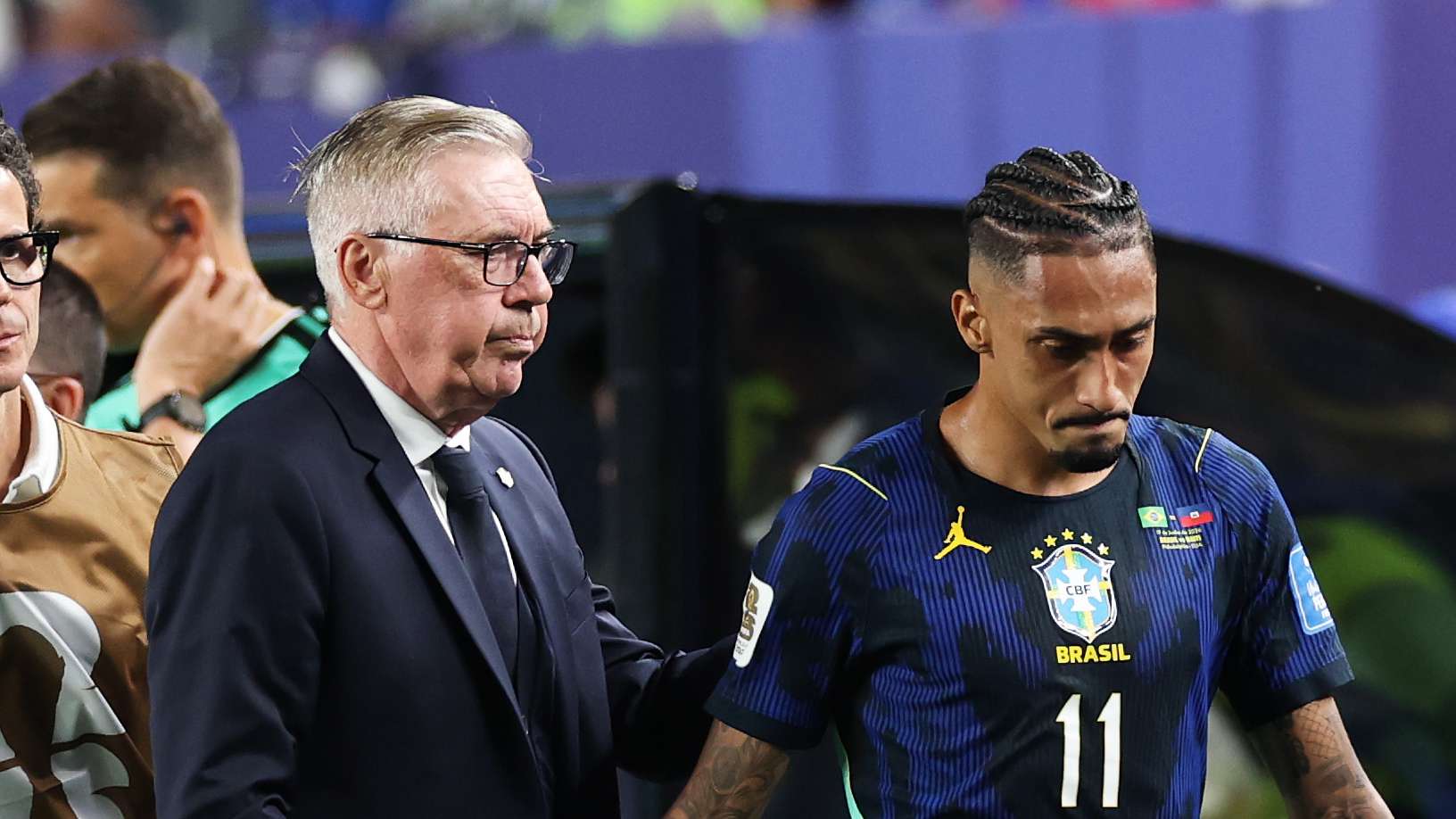
The injury has fueled a broader debate about how international teams manage their star players during congested fixtures. Barcelona’s management is reportedly furious with Brazil’s head coach, Carlo Ancelotti, for what they perceive as an overly demanding workload placed on Raphinha during the international window. The Catalan club’s officials believe that the Brazilian federation’s approach to player rotation and match intensity may have contributed to the injury risk.
Historically, conflicts between club and country have been common in football, with clubs often concerned about the physical toll their players endure during international duty. This latest incident underscores the ongoing tension, especially when the health of key players is at stake. Barcelona’s leadership has publicly expressed frustration, emphasizing the importance of player welfare and the need for more coordinated planning to prevent injuries.
Implications for Barcelona’s Upcoming Fixtures and Football Predictions
The timing of Raphinha’s injury could not be more critical. With a packed fixture list ahead—including pivotal La Liga clashes, Champions League encounters, and domestic cup matches—Barcelona’s coaching staff must quickly adapt their football prediction models to account for his absence. Fans and analysts alike will be scrutinizing the team’s tactical flexibility and depth of squad options in light of this setback.
Predicting how Barcelona will fare without Raphinha involves assessing their current squad strength and strategic adaptability. The team has other talented wingers and versatile attackers, but Raphinha’s unique blend of creativity and pace makes him a standout. The club may rely more heavily on players like Ousmane Dembélé, Ferran Torres, or young prospects to fill the void, but the effectiveness of these replacements remains to be seen.
Expert Insights: The Broader Context of International Breaks and Player Injuries
This incident sheds light on a recurring challenge in modern football—the delicate balance between club commitments and international duties. As football prediction models evolve to incorporate player availability and fitness levels, experts increasingly emphasize the importance of managing international workloads to prevent injuries that can derail a club’s season.
Football analysts suggest that clubs and national teams need to collaborate more effectively, sharing information about player health and scheduling to minimize risks. Innovations such as biometric monitoring and load management are becoming standard tools in this effort. The Raphinha case highlights the urgency of these strategies, especially when star players are involved in high-intensity international fixtures.
Looking Ahead: How Will Barcelona Adjust?
While the full extent of Raphinha’s injury remains under assessment, Barcelona’s coaching staff is already exploring tactical alternatives. The club’s management is keen on minimizing disruption and maintaining their competitive edge, which will involve rotating squad members and possibly deploying different formations to compensate for the winger’s absence.
Moreover, the club’s medical team is closely monitoring Raphinha’s recovery process, aiming to expedite his return without risking further injury. The upcoming weeks will be critical in determining whether he can feature in Barcelona’s key matches and how his absence might influence overall team predictions and strategies.
Conclusion: A Cautionary Tale for Football Prediction and Player Management
The injury to Raphinha serves as a stark reminder of the unpredictable nature of football and the importance of effective player management. For fans, pundits, and betting enthusiasts engaged in football prediction, understanding injury risks and international workload management is crucial for accurate forecasts. This incident underscores the need for a holistic approach to player health, emphasizing collaboration between clubs and national teams.
As Barcelona navigates this challenging period, all eyes will be on how well they adapt their tactics and maintain their competitive edge. The injury controversy also sparks a broader conversation about safeguarding player welfare in the high-stakes world of professional football—a topic that will undoubtedly influence the sport’s future strategies and predictions.
In the ever-evolving landscape of football, resilience, adaptability, and strategic foresight remain key. Whether Raphinha returns swiftly or faces a longer recovery, his situation highlights the ongoing challenges faced by clubs in balancing ambition with player health—an essential consideration for accurate football predictions and winning strategies in the seasons ahead.