
Ayush Shetty Retires Hurt Against Kodai Naraoka at French Open Badminton
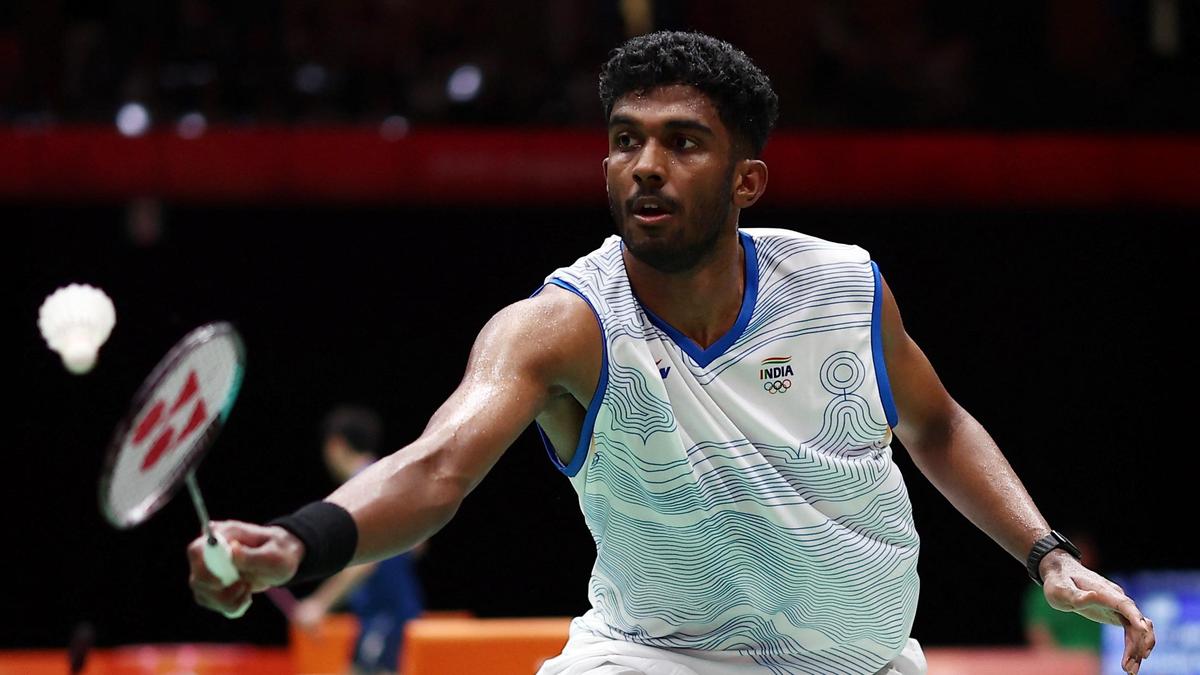
Indian badminton player Ayush Shetty’s run at the French Open ended in the Round of 16 on Thursday after he retired hurt against Japan’s Kodai Naraoka. Shetty had dropped the opening game 17-21 and was trailing 6-11 in the second when he was unable to continue, handing Naraoka a place in the quarter-finals.
The result brought a frustrating end to a match that had begun with Shetty in control. The 21-year-old built a five-point advantage in the first game, leading 16-11, but Naraoka responded with a decisive run of points to turn the contest around. The Japanese shuttler claimed the game 21-17, then carried that momentum into the second before Shetty’s retirement.
Shetty’s promising start slips away
Shetty’s opening-game lead suggested he had found a way to trouble the sixth seed. He moved confidently through the middle stages and appeared well placed to take the first game. Naraoka, however, is known for his persistence and ability to extend rallies, and he gradually changed the rhythm of the match.
Once the Japanese player closed the gap, Shetty was unable to restore his earlier advantage. Naraoka’s 21-17 win put him ahead, and his 11-6 lead in the second game gave him a firm grip on the match before the Indian retired. The available match details did not specify the nature of Shetty’s injury or the reason he could not continue.
A retirement is a particularly difficult way for a player to leave a tournament, especially after working back from an early deficit in the first game. For Shetty, the immediate priority will be recovery and assessment, while the result ends a French Open campaign that had already delivered a notable win.
Second defeat to Naraoka this year
Thursday’s match was Shetty’s second consecutive loss to Naraoka in 2026. The two had also met at the Thailand Open in May, where Naraoka won in three games. The latest encounter therefore extended the Japanese player’s advantage in their recent meetings, although Shetty’s strong start in Paris showed that he could challenge him before the match was cut short.
For Naraoka, the victory keeps his French Open campaign moving. The sixth seed entered the Round of 16 without playing his scheduled opening-round match against Lakshya Sen, who withdrew before the contest. While a walkover can provide additional rest, it also means a player may have less competitive court time before facing a more demanding opponent. Naraoka made the most of his opportunity against Shetty, particularly by recovering from the first-game deficit.
Shetty’s comeback win over Kidambi Srikanth
Shetty had reached the last 16 with an impressive comeback against compatriot Kidambi Srikanth on Wednesday. The former world No. 1 took the opening game 21-19, but Shetty responded strongly, winning the next two games 21-16 and 21-12 to secure the match.
That victory was a significant achievement for the young Indian, who had to manage the pressure of facing an experienced opponent and recover after losing the first game. His performance demonstrated patience and resilience—qualities that are essential in elite badminton, where momentum can shift quickly and players must adapt during long rallies.
The win also gave Shetty an opportunity to test himself against one of the tournament’s seeded players. Although the Round of 16 result did not go his way, his opening performance against Naraoka and his victory over Srikanth offered useful evidence of his ability to compete at a high level.
What the result means for Indian badminton
Shetty’s exit leaves Indian fans with mixed feelings: disappointment at the injury-forced retirement, alongside encouragement from his earlier win. The French Open is part of the demanding international badminton calendar, where players often face tightly scheduled matches and travel between tournaments. Recovery, physical conditioning and injury management can be just as important as technical preparation across a long season.
For emerging players such as Shetty, matches against established names provide valuable experience. His comeback against Srikanth showed his capacity to respond under pressure, while the first game against Naraoka highlighted his potential to take the initiative against a seeded opponent. Turning promising stretches into sustained results will be an important next step as he continues to build consistency on the international circuit.
For now, attention will turn to Shetty’s fitness and how quickly he can return to competition. Naraoka, meanwhile, advances in the French Open draw after overcoming a difficult opening game and will look to carry that resilience into the next round. The match ended earlier than expected, but it underlined the fine margins that shape elite badminton—and the importance of health in determining how far a player can go.