
Thailand’s Rising Badminton Star Pitchamon Opatniputh Faces Doping Allegation at Aichi-Nagoya Asian Games
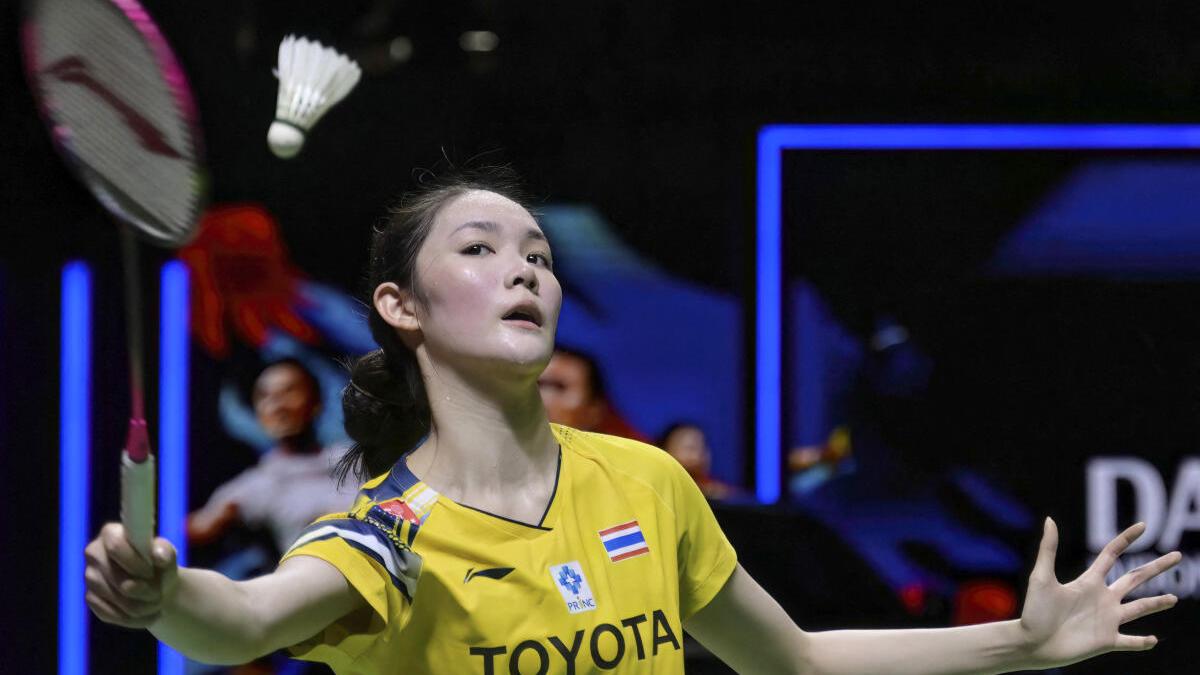
The 2026 Asian Games in Aichi-Nagoya have been rocked by a significant development involving Thailand’s promising badminton athlete, Pitchamon Opatniputh. At just 19 years old, Pitchamon, who is ranked 18th globally in women’s badminton singles, found herself at the center of the first doping controversy of these highly anticipated Games. The incident not only raises questions about fair play but also underscores the ongoing challenges faced by athletes worldwide in maintaining integrity amidst intense competition.
Details of the Doping Case and Immediate Actions
The International Testing Agency (ITA), responsible for the anti-doping measures during the Asian Games, confirmed that Pitchamon Opatniputh returned a positive sample for furosemide — a substance banned under World Anti-Doping Agency (WADA) regulations. Furosemide is a potent diuretic that athletes sometimes misuse to rapidly shed weight or mask the presence of other performance-enhancing drugs. Its detection has now cast a shadow over what was expected to be a promising campaign for the young Thai badminton star.
Following the positive test, the ITA has provisionally suspended Pitchamon from participating in all Asian Games activities. This suspension bars her from competing, training, coaching, or engaging in any related activities during the ongoing Games in Aichi-Nagoya. The agency’s statement clearly emphasized that the athlete remains under temporary suspension, pending further investigation and legal processes.
Implications for Badminton and the Asian Games Community
Badminton, as a sport, has long prided itself on fairness, skill, and sportsmanship. The appearance of doping cases at major tournaments can tarnish its reputation and raise concerns about the integrity of the sport. For Thailand, a nation with a rich badminton tradition and a growing international presence, this incident serves as a stark reminder of the importance of stringent doping controls and athlete education.
Pitchamon, known for her agility, speed, and strategic gameplay, was anticipated to be a key player for Thailand’s badminton squad. Her absence from the team event against powerhouse China, scheduled for Tuesday, is a significant blow to Thailand’s aspirations in the tournament. The incident also highlights the broader issue of doping in badminton, a sport that, despite its strict anti-doping policies, continues to grapple with the challenge of ensuring clean competition.
Legal Rights and Next Steps for Pitchamon Opatniputh
The ITA has clarified that Pitchamon has the right to challenge the provisional suspension through the Court of Arbitration for Sport (CAS). This legal avenue provides her with an opportunity to contest the findings and present her case. Additionally, the athlete can request an analysis of the B-sample, which serves as an independent verification of the initial test results.
In doping cases, the B-sample is crucial as it can confirm or refute the initial findings. The process involves double testing to ensure fairness and accuracy. The athlete’s legal team will likely pursue this route, seeking to clear her name if possible. Meanwhile, the Thai badminton community and fans worldwide are awaiting further updates, hoping that due process will be followed and that justice will be served.
Understanding Furosemide and Its Risks in Competitive Sports
Furosemide, the substance detected in Pitchamon’s sample, is classified as a diuretic that promotes rapid water loss. While legitimate medical uses include treating edema and hypertension, its misuse in sports is prohibited because it can be used to manipulate weight categories or mask the presence of other banned substances. The World Anti-Doping Agency (WADA) considers furosemide a masking agent, which is why its detection triggers serious penalties.
The use of diuretics like furosemide poses health risks to athletes, including dehydration, electrolyte imbalance, and cardiovascular issues. Moreover, it undermines the integrity of competitive badminton, where performance should be determined solely by skill, training, and mental resilience rather than illicit substances.
The Broader Context: Doping in Global Sports and the Fight for Fair Play
This incident at the Asian Games is part of a larger narrative about doping in international sports. While badminton has historically maintained a relatively clean record, the pressure to perform at the highest levels can sometimes lead athletes to consider illicit methods. The ITA’s proactive testing and swift action reflect the sport’s commitment to uphold fairness and integrity.
Furthermore, this case underscores the importance of comprehensive education programs for young athletes about doping risks and the consequences of violating anti-doping regulations. As the sport continues to grow globally, maintaining a clean sport environment is vital for preserving its reputation and inspiring future generations of badminton players.
What’s Next for Pitchamon and the Future of Badminton in the Asian Games?
As Pitchamon Opatniputh awaits her legal options and possible appeals, her case serves as a reminder to athletes across the globe about the importance of adhering to anti-doping policies. The badminton community, fans, and global sports authorities will be closely watching how this situation unfolds, hoping for a fair resolution that respects due process.
In the broader context of the Asian Games, this incident highlights the ongoing need for robust testing protocols and athlete support systems to ensure a level playing field. The Games in Aichi-Nagoya continue to showcase the best of Asian and international talent, and maintaining integrity is crucial to their success.
Conclusion: Upholding the Spirit of Competition in Badminton and Beyond
The case of Pitchamon Opatniputh at the 2026 Asian Games underscores the relentless fight against doping in sports, including badminton. While the incident is disappointing, it also demonstrates the effectiveness of anti-doping agencies like the ITA in safeguarding the sport’s integrity. As the situation develops, the badminton community remains hopeful that justice will be served, and that the spirit of fair play will prevail.
Ultimately, the goal is to ensure that athletes compete on a level playing field, driven by talent, training, and determination — the true hallmarks of any great sport. The integrity of badminton, as well as the prestige of the Asian Games, depends on our collective commitment to clean competition and sportsmanship.