
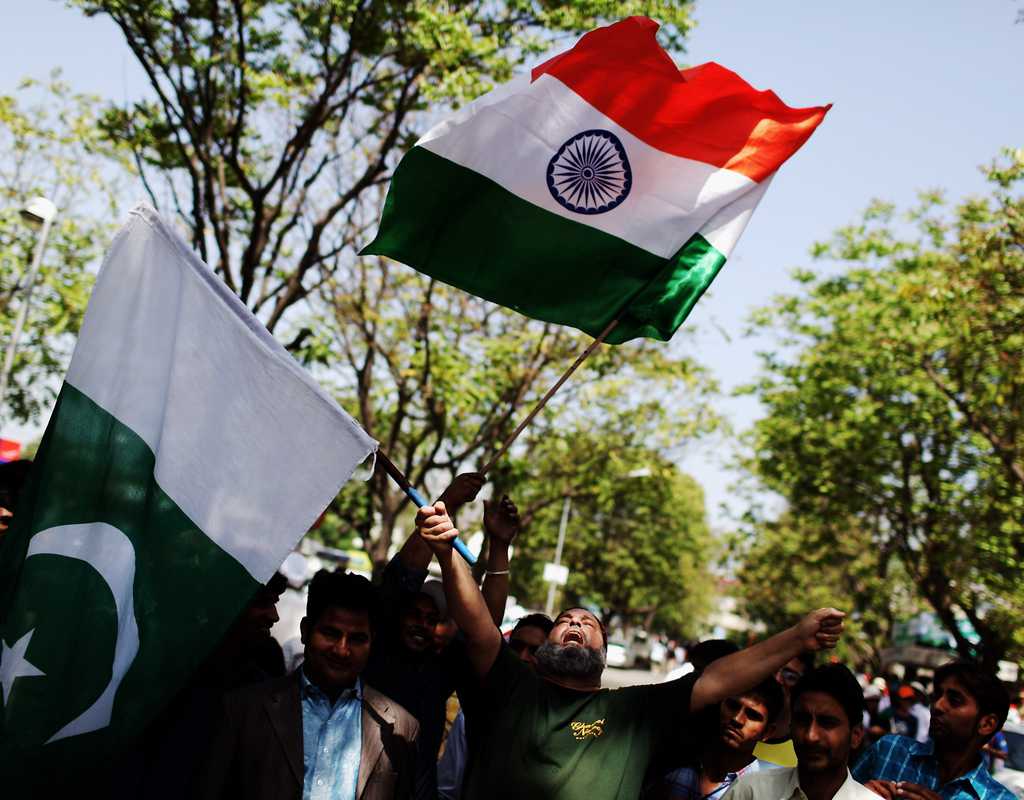

**India-Pakistan Standoff Threatens Asia Cup Participation**
A brewing power struggle between India and Pakistan could have far-reaching implications on the cricket field, particularly on the upcoming Asia Cup. The Board of Control for Cricket in India (BCCI) is contemplating boycotting the Pakistan Cricket Board (PCB)-led Annual General Meeting (AGM) of the Asian Cricket Council (ACC) scheduled for July 24 and 25 in Dhaka.
The BCCI has made it clear that it will only participate if the venue is changed from Dhaka, a condition that has garnered support from key allies such as Sri Lanka and Afghanistan. This demand has cast doubt on the legality of the AGM itself, as a quorum requires the presence of at least three permanent (Test playing) members.
Of the five permanent members – India, Sri Lanka, Afghanistan, Pakistan, and Bangladesh – the first three seem to be against holding the meeting in Dhaka. Moreover, the ACC constitution stipulates that a valid quorum must include at least 10 full or Associate members, a requirement that may not be met.
The controversy revolves around Mohsin Naqvi, the PCB and ACC chief, who has allegedly refused to consider an alternative venue for the AGM. Speculation within ACC circles suggests that Naqvi, who skipped the ICC Annual Conference in Singapore, sought Afghanistan’s support for the Dhaka AGM during an official visit to Kabul. However, the Afghanistan Cricket Board officials have reportedly assured the India bloc that they will not attend the meeting in Dhaka.
India’s opposition to the Dhaka meeting is not surprising given the recent diplomatic tensions between the two countries. The BCCI had previously called off a scheduled tour, further complicating the cricketing relations.
The standoff over the ACC AGM is now spilling over into the Asia Cup slated for September 10-28 in the UAE. The BCCI may consider withdrawing from the championship if the ACC proceeds with the Dhaka meeting, while the PCB and Naqvi are reportedly taking a different stance.
The commercial implications of India’s absence in the Asia Cup, as the designated host, could impact the ACC. The recent incident in Birmingham where Indian legends refused to play Pakistan due to Shahid Afridi’s presence in the squad underscores the deep-rooted tensions between the two nations.
The situation is complex, with multiple layers at play, and the fate of the Asia Cup hangs in the balance. The outcome of events in Dhaka later this week will likely determine the participation of India and the overall success of the tournament.
**Conclusion**
The ongoing standoff between India and Pakistan has thrown the cricketing world into uncertainty, particularly regarding the Asia Cup. As tensions escalate, the fate of the tournament remains unclear, with stakeholders closely monitoring developments in Dhaka. The standoff underscores the deep-rooted political and diplomatic challenges that continue to impact sports in the region.
**The Impact of India-Pakistan Standoff on Cricketing Relations**
The India-Pakistan standoff has had a significant ripple effect on cricketing relations between the two nations, as well as the broader landscape of Asian cricket. The historical rivalry between India and Pakistan on the cricket field is well-documented, but the current political tensions are adding a new layer of complexity.
The recent decision by the BCCI to boycott the ACC AGM in Dhaka, and potentially withdraw from the Asia Cup, underscores the strained relations between the two cricketing powerhouses. This move not only affects the immediate participation of India in these events but also sends a strong message about the broader geopolitical dynamics at play.
The commercial implications of India’s absence in the Asia Cup cannot be understated. India, as one of the biggest cricketing nations in the world, brings significant viewership and revenue to any tournament it participates in. The potential loss of Indian viewership and sponsorship deals could have a domino effect on the financial viability of the tournament and the ACC as a whole.
Moreover, the refusal of Indian legends to play against Pakistan in a recent exhibition match highlights the deep-rooted animosity between the two nations. The presence of political tensions in cricket is not a new phenomenon, but it continues to cast a shadow over the spirit of sportsmanship and fair play that should ideally define the game.
The current impasse between India and Pakistan also raises questions about the role of sports diplomacy in easing political tensions. Cricket has often been seen as a bridge between the two nations, with matches serving as opportunities for cultural exchange and people-to-people contact. However, the current standoff threatens to undermine the potential of sports as a unifying force in the region.
As stakeholders navigate the complexities of the India-Pakistan standoff in the cricketing arena, the future of the Asia Cup hangs in the balance. The decisions made in the coming days will not only shape the participation of India in the tournament but also have wider implications for the sport in the region.
In conclusion, the standoff between India and Pakistan goes beyond the boundaries of the cricket field, reflecting deeper political tensions that continue to impact sports in South Asia. The fate of the Asia Cup serves as a stark reminder of the challenges of navigating sports in a region marked by historical animosities and competing interests. As cricket fans wait in anticipation, the outcome of the standoff will reverberate far beyond the boundaries of the pitch.