
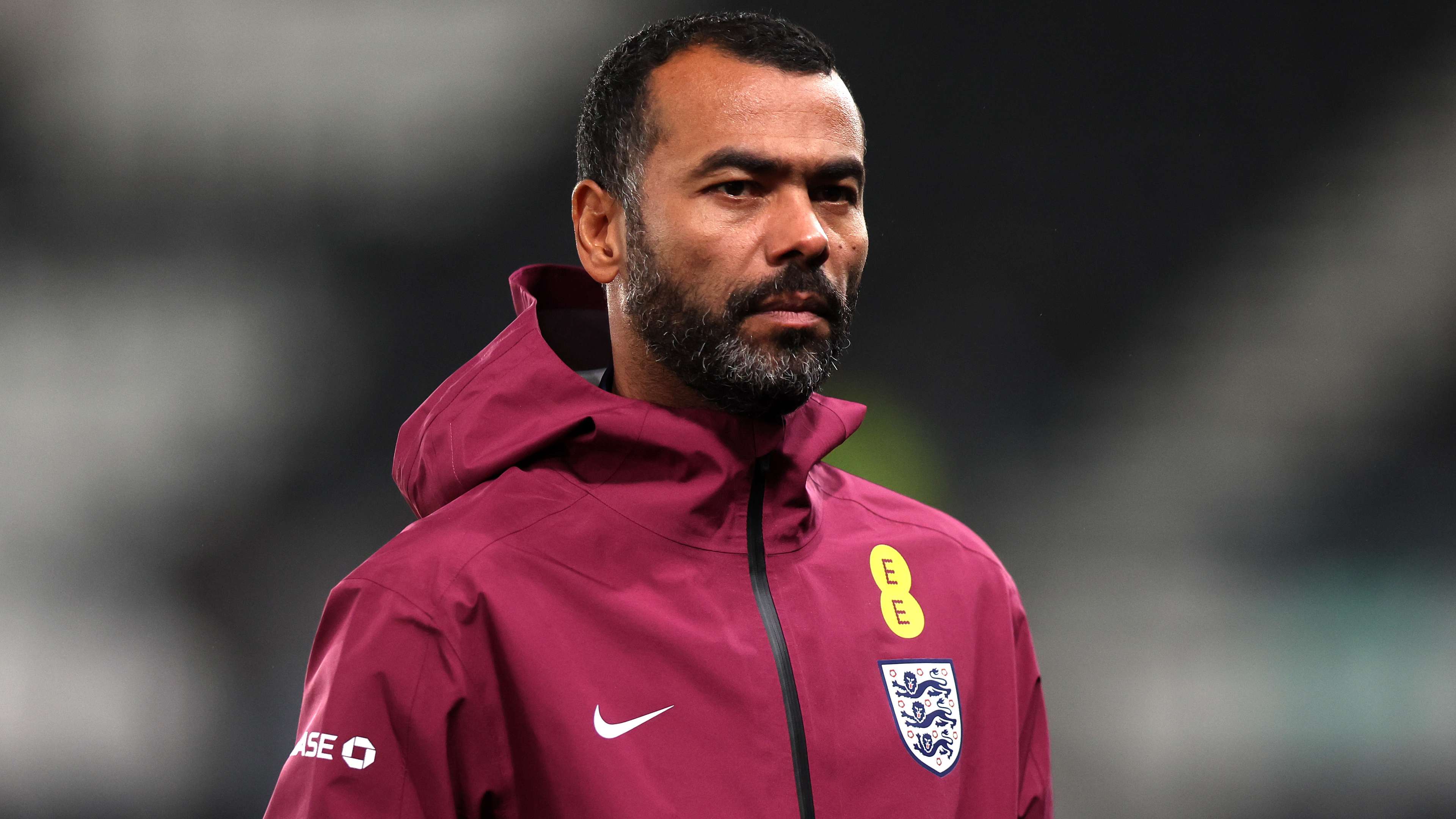

Ashley Cole Embraces Coaching Role to Become a Better Person
Former Chelsea and England star Ashley Cole has seamlessly transitioned from a successful playing career to a coaching role, where he currently serves as the England Under-21 assistant coach. Cole recently opened up about how his journey into coaching has not only deepened his understanding of the game but also made him a “better person”.
A New Perspective on Football
In a recent interview, Cole shared that coaching has allowed him to explore the human side of football in a way that playing never did. He emphasized the importance of understanding the people behind the players and learning to manage their needs and emotions. According to Cole, this aspect of coaching has been eye-opening and has given him a new perspective on the game.
“Coaching has taught me how to connect with the players on a different level. It’s not just about tactics and skills; it’s about understanding their journey, their struggles, and their aspirations,” Cole explained. “I’ve learned to be more empathetic and compassionate, which has translated not only into my coaching but also into my personal life.”
Inspiration from Former Managers
As a player, Cole had the privilege of working with some of the best managers in the world, including Arsene Wenger at Arsenal and Jose Mourinho at Chelsea. He revealed that he has drawn inspiration from these experiences and the way his former managers handled the team both on and off the pitch.
“I’ve been fortunate to work with managers who are not only great tacticians but also exceptional leaders. I’ve taken bits and pieces from each of them and incorporated them into my coaching style,” Cole said. “Whether it’s Wenger’s focus on youth development or Mourinho’s attention to detail, I’ve tried to emulate the qualities that made them successful.”
Looking Ahead
Despite his success as a player and now as a coach, Cole remains humble and eager to continue learning and growing in his role. He expressed his gratitude for the opportunity to give back to the game that has given him so much and hopes to inspire the next generation of players and coaches.
“I’m constantly evolving and adapting as a coach. Every day brings new challenges and opportunities to improve,” Cole stated. “My goal is to help develop young talents and instill in them not only a love for the game but also important life skills that will serve them well beyond football.”
As Cole continues to make strides in his coaching career, his dedication to the game and passion for mentoring young players are sure to leave a lasting impact on English football.
Overall, Ashley Cole’s journey into coaching has not only transformed his approach to the game but has also shaped him into a more compassionate and insightful individual. His dedication to understanding the human side of football and drawing inspiration from his past experiences as a player make him a valuable asset to the England Under-21 coaching staff.
The Evolution of Coaching in Football
Ashley Cole’s transition from player to coach highlights the evolving role of coaching in football. With the game becoming increasingly complex and demanding, coaches are not just focusing on tactics and skills but also on the mental and emotional well-being of their players. Cole’s emphasis on understanding the journey and struggles of players reflects a shift towards a more holistic approach to coaching.
Coaches today are not only expected to be tacticians but also mentors, motivators, and psychologists. By delving into the human side of football, they can build stronger connections with their players, enhance team dynamics, and create a supportive environment for growth and development.
The Impact of Mentorship in Coaching
As Cole draws inspiration from his former managers, he underscores the significance of mentorship in coaching. The guidance and wisdom passed down from experienced leaders play a crucial role in shaping the coaching philosophies of emerging talents. By incorporating the best practices and leadership qualities of respected mentors, coaches like Cole can enhance their effectiveness on and off the field.
Mentorship in coaching extends beyond technical knowledge to include values, ethics, and interpersonal skills. By learning from the successes and failures of those who have come before them, coaches can navigate the challenges of management with greater insight and empathy.
The Mentorship Continuum in Football
As Ashley Cole embraces his coaching role and imparts his knowledge to the next generation, he becomes a part of the mentorship continuum in football. Just as he benefitted from the guidance of esteemed managers during his playing days, Cole now has the opportunity to shape the future of football through his coaching endeavors.
The mentorship continuum in football creates a cycle of learning and growth, where experienced coaches pass on their expertise to aspiring talents, who in turn become mentors to the next wave of coaches. By actively participating in this continuum, Cole not only contributes to the development of young players but also enriches the coaching community with his unique insights and experiences.
The Legacy of Ashley Cole in Coaching
As Ashley Cole continues to evolve and excel in his coaching career, his legacy in the world of football coaching becomes increasingly significant. By embodying the values of empathy, compassion, and continuous learning, Cole sets a positive example for aspiring coaches and players alike.
Cole’s journey from a decorated player to a respected coach serves as a testament to the transformative power of coaching in football. His commitment to understanding the human side of the game and his dedication to nurturing young talents ensure that his impact will be felt for generations to come.
In conclusion, Ashley Cole’s embrace of coaching not only reflects the evolution of the coaching landscape in football but also underscores the importance of mentorship, continuous learning, and leaving a lasting legacy in the beautiful game. As he embarks on this new chapter in his football career, Cole’s passion for the game and his desire to inspire others serve as guiding lights for the future of coaching in English football.