
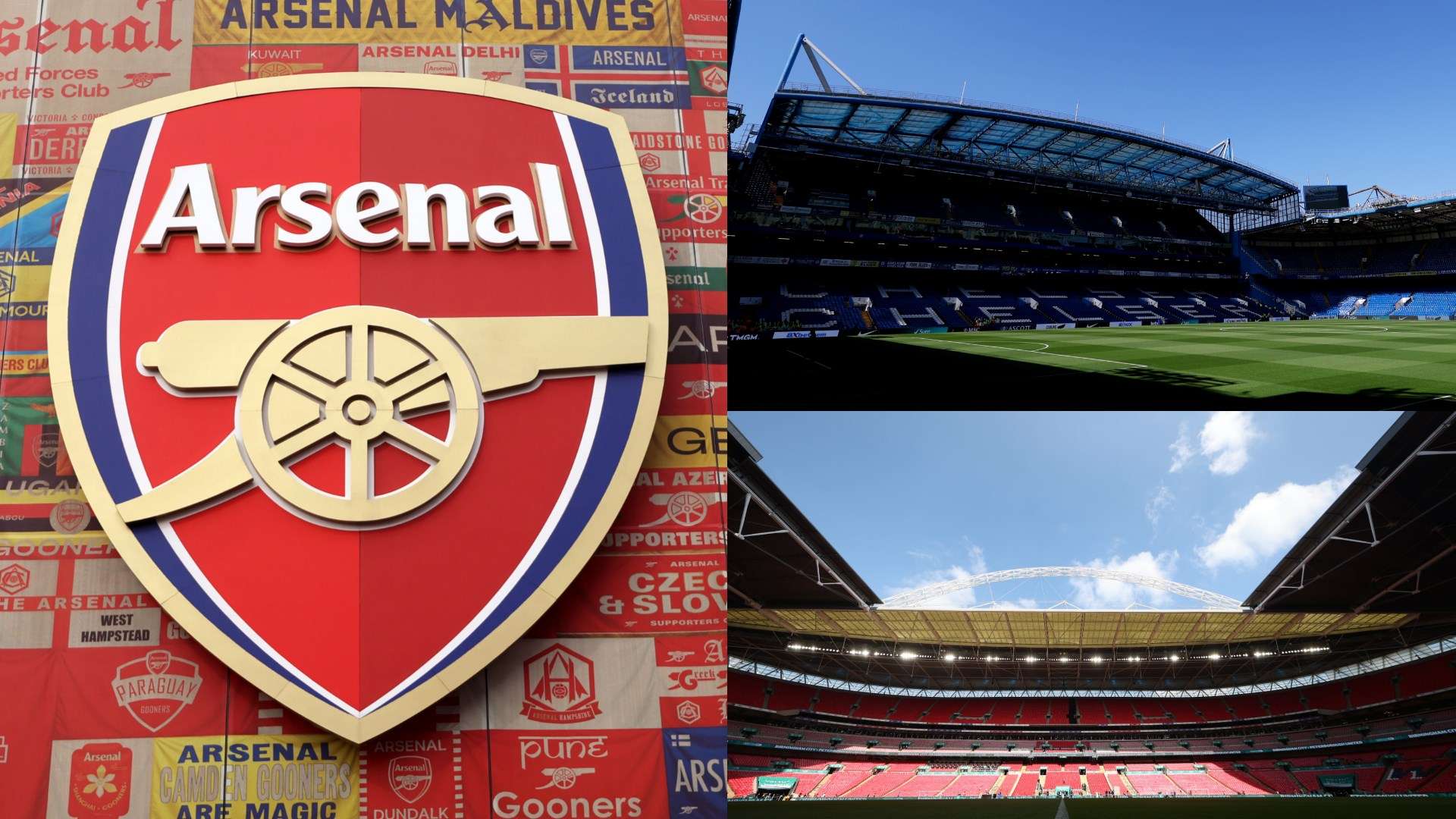

Chelsea Fans Upset Over Arsenal’s Plans to Play at Wembley During Stadium Renovations
Chelsea fans are up in arms after learning of Arsenal’s potential plans to relocate to Wembley Stadium during their own renovations. The Gunners are reportedly considering a move to the iconic national stadium while work is carried out to expand their current home, the Emirates Stadium. This news has not sat well with Chelsea supporters, who believe that Arsenal’s decision could potentially impact the progress of their own renovation plans.
Accusations of Sabotage
Many Chelsea fans have accused Arsenal of sabotaging their renovations by choosing to play at Wembley. The Blues are currently in the process of upgrading their stadium, Stamford Bridge, in order to increase capacity and modernize the facilities. With Arsenal potentially moving to Wembley, Chelsea fans fear that the added strain on resources and infrastructure could delay their own progress.
“It’s unfair that Arsenal would choose to play at Wembley during our renovations. It feels like a deliberate attempt to disrupt our plans and hinder our progress,” said one disgruntled Chelsea supporter.
A Shock Move
Arsenal’s decision to consider playing at Wembley as part of their expansion plans has come as a shock to many in the football world. The Gunners have called the Emirates Stadium their home since 2006, and a move to Wembley would mark a significant change for the club and its fans. While the relocation is only temporary, it has still sparked controversy and debate among supporters.
“It’s definitely a bold move by Arsenal to consider playing at Wembley. It will be interesting to see how this decision plays out and what impact it will have on the club in the long run,” said a football analyst.
Implications for the Premier League
The potential relocation of Arsenal to Wembley could have wider implications for the Premier League and its scheduling. With Arsenal playing their home matches at the national stadium, it could disrupt the fixture list and create logistical challenges for other clubs. This has raised concerns among fans and officials alike about the impact on the overall competitiveness and fairness of the league.
“The Premier League will need to carefully consider how Arsenal’s move to Wembley will affect the schedule and the integrity of the competition. It’s a situation that requires close attention and careful planning to ensure a smooth transition for all involved,” said a league representative.
Looking Ahead
As the debate continues to unfold, both Arsenal and Chelsea fans are eagerly awaiting further updates on the situation. While tensions may be running high between the two rival clubs, there is hope that a resolution can be reached that satisfies all parties involved. In the meantime, football enthusiasts will be keeping a close eye on developments as the story of Arsenal’s potential move to Wembley unfolds.
Keywords: football, prediction, Chelsea, Arsenal, renovations, Wembley, Premier League.
The Impact on Rivalry
The potential move of Arsenal to Wembley during their stadium renovations not only has practical implications but also stirs up the age-old rivalry between Arsenal and Chelsea. These two London clubs have a long-standing history of intense competition on the field, and off-field moves like this can heighten tensions between their fan bases. With both sets of supporters closely watching each other’s every move, any perceived advantage gained by one club over the other can lead to heated debates and accusations.
Furthermore, the proximity of Wembley to Chelsea’s home ground adds another layer of complexity to the situation. Chelsea fans may feel that Arsenal’s presence at Wembley could disrupt the local footballing landscape and potentially attract supporters away from Stamford Bridge. This could impact Chelsea’s revenue and fan engagement, creating a ripple effect beyond just the physical renovations of their stadium.
Financial Implications
While the focus has primarily been on the logistical challenges and competitive aspects of Arsenal’s potential move to Wembley, there are also financial considerations at play. Both clubs are likely to incur significant costs associated with playing at a temporary venue, such as increased rent, transportation expenses, and potential loss of revenue from reduced seating capacity.
For Arsenal, the move could impact their matchday income and sponsorship deals, as playing at Wembley may not offer the same commercial opportunities as their home stadium. On the other hand, Chelsea may also face financial setbacks if their renovations are delayed or disrupted by the shared use of resources with Arsenal at Wembley. These financial implications add another layer of complexity to an already contentious situation.
Fan Engagement and Loyalty
One of the key factors that both Arsenal and Chelsea will need to consider during this period of uncertainty is the impact on fan engagement and loyalty. Football clubs rely heavily on their supporters for revenue, morale, and long-term sustainability. Any decisions that alienate or disappoint fans can have lasting consequences on the club’s reputation and bottom line.
With emotions running high among both sets of supporters, maintaining open communication and transparency will be crucial for Arsenal and Chelsea. Providing regular updates on the progress of renovations, addressing concerns about potential disruptions, and actively engaging with fans to seek their input can help mitigate any negative effects on fan loyalty and support.
Community Outreach and Legacy
Beyond the immediate implications on the clubs themselves, the potential move to Wembley also raises questions about community outreach and legacy. Football clubs play a significant role in their local communities, providing opportunities for youth development, charitable initiatives, and cultural engagement. Any disruptions caused by stadium renovations or relocations can impact these community-based programs and relationships.
Arsenal and Chelsea will need to consider how their decisions regarding stadium moves and renovations align with their broader community engagement strategies. Maintaining a positive legacy and reputation within the local area is essential for long-term sustainability and support. By prioritizing community outreach and involvement, both clubs can ensure that their decisions benefit not only themselves but also the communities they serve.
In conclusion, the potential move of Arsenal to Wembley during their stadium renovations has sparked debate, controversy, and concern among football fans and officials alike. While the situation is complex and multifaceted, there is an opportunity for both clubs to navigate this challenge with transparency, communication, and a focus on the long-term benefits for all stakeholders involved. As the story continues to unfold, it will be interesting to see how Arsenal, Chelsea, and the wider football community adapt to this unprecedented situation.
