

Ruben Amorim’s Emotional Battle Before Manchester United Sacking
Ruben Amorim, the former manager of Manchester United, was not only facing the daunting task of predicting his team’s performance on the field but also battling his own emotions behind closed doors. Body language expert Darren Stanton sheds light on the Portuguese tactician’s emotional turmoil leading up to his official sacking by the club on a Monday morning.
Signs of Feeling Betrayed
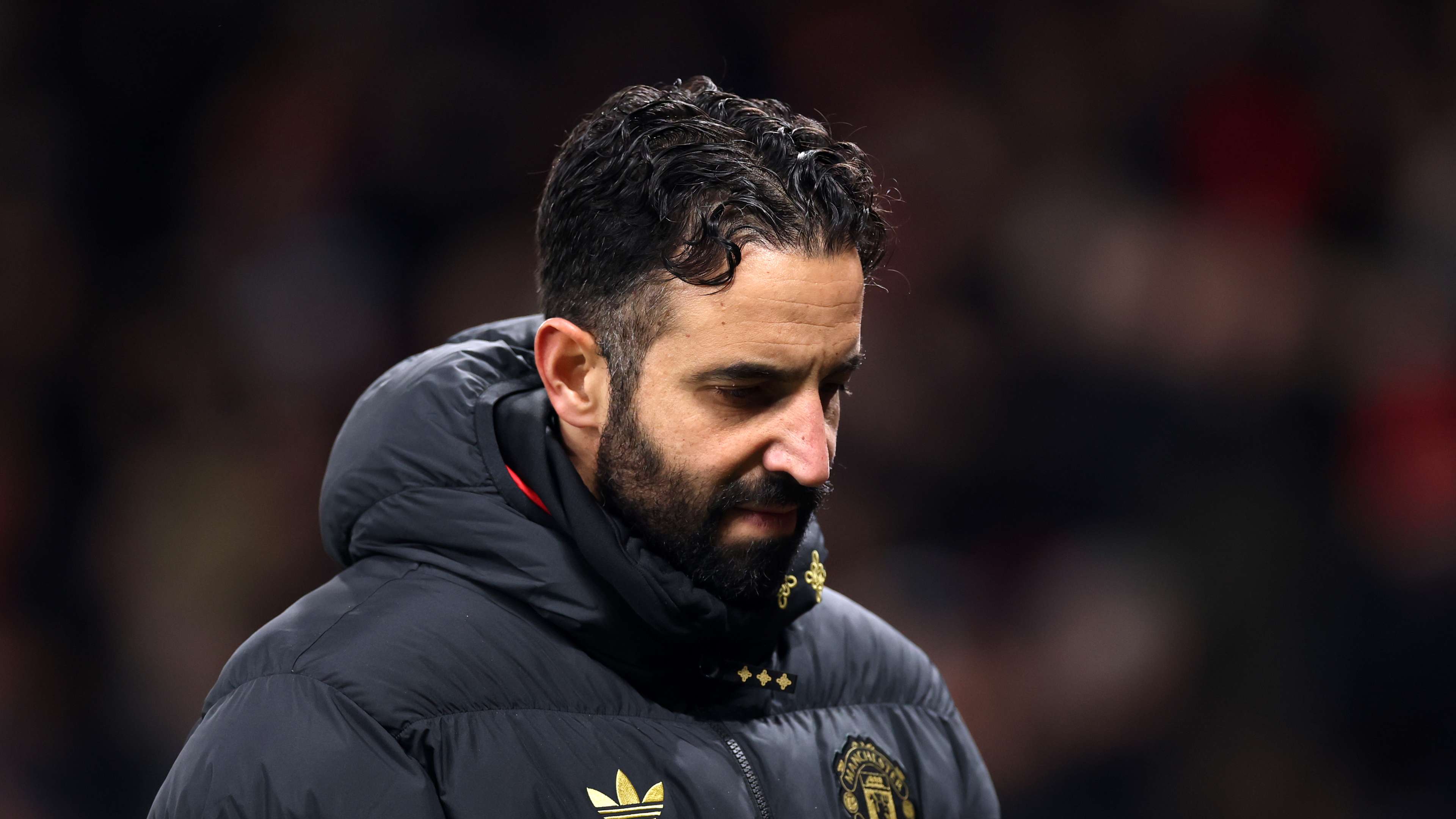
According to Stanton, Amorim displayed clear signs of feeling “thrown under the bus” by the club hierarchy during his final press conference. The body language expert pointed out subtle cues in Amorim’s demeanor that indicated a sense of betrayal and disappointment. These non-verbal signals added depth to the already tense atmosphere surrounding his departure from the prestigious football club.
Emotional Turmoil
Stanton highlighted Amorim’s struggle to contain his emotions as he faced the media and the public scrutiny that came with his dismissal. The pressure of managing a high-profile team like Manchester United coupled with the personal disappointment of being let go took a toll on the former manager. Despite his professional demeanor, Stanton noted the underlying emotional turmoil that Amorim grappled with during his final moments as the club’s manager.
The Impact of Club Politics
Amorim’s experience serves as a sobering reminder of the influence of club politics on the careers of football managers. The behind-the-scenes power struggles and decision-making processes can have a profound impact on an individual’s professional trajectory. As Amorim navigated the complex web of relationships within Manchester United, he found himself at the mercy of forces beyond his control.
Lessons Learned
Amidst the emotional upheaval of his departure, Amorim can draw valuable lessons from his time at Manchester United. The experience of leading a top-tier football club and facing the challenges of high-stakes decision-making will undoubtedly shape his future endeavors. As he reflects on his tenure with the club, Amorim can glean insights into the nuances of leadership and resilience in the face of adversity.
Looking Ahead
While the chapter at Manchester United may have come to a close for Ruben Amorim, the future holds endless possibilities for the talented manager. As he takes time to regroup and assess his next steps, Amorim can leverage his experiences to propel himself towards new opportunities in the world of football. His resilience in the face of adversity and his unwavering passion for the game will undoubtedly guide him on his journey forward.
In conclusion, Ruben Amorim’s emotional battle before his sacking by Manchester United sheds light on the complex dynamics at play in the world of football management. As he navigates the aftermath of his departure, Amorim’s story serves as a testament to the highs and lows of a career in the competitive realm of professional football.
Psychological Impact of Predictive Pressure
Delving deeper into Ruben Amorim’s emotional battle, it is crucial to analyze the psychological impact of the constant pressure to predict and manage the performance of a team like Manchester United. The weight of expectations from fans, the media, and the club itself can create a mental strain that goes beyond the tactical aspects of the game. Amorim’s struggle to balance his own emotions while trying to foresee the outcomes on the field highlights the psychological toll that football managers often face.
Managing Stress in a High-Stakes Environment
In the high-stress environment of elite football management, the ability to cope with pressure and uncertainty is paramount. Amorim’s emotional turmoil could be attributed to the immense stress of constantly having to make predictions, handle setbacks, and navigate the intricate relationships within the club. Learning to manage stress effectively is a valuable skill for any football manager, as the demands of the job can take a toll on one’s mental well-being.
The Role of Emotional Intelligence
Emotional intelligence plays a crucial role in how football managers like Ruben Amorim navigate challenging situations. Being able to understand and regulate one’s emotions, as well as interpret the emotions of others, is essential in building strong relationships and making sound decisions. Amorim’s emotional battle before his sacking sheds light on the importance of emotional intelligence in the high-pressure world of football management.
The Support Network for Managers
Behind every successful football manager is a support network that helps them navigate the ups and downs of their career. From family and friends to sports psychologists and mentors, having a strong support system is key to weathering the emotional storms that come with the job. Amorim’s experience underscores the significance of having a support network in place to provide guidance, empathy, and encouragement during challenging times.
Resilience and Growth Through Adversity
While facing his emotional battle before being sacked by Manchester United, Ruben Amorim had the opportunity to cultivate resilience and grow through adversity. The setbacks and challenges he encountered during his tenure at the club have the potential to shape him into a more resilient and adaptable manager in the future. Embracing the lessons learned from difficult experiences can lead to personal and professional growth in the competitive world of football.
Continuing the Journey in Football
As Ruben Amorim embarks on the next chapter of his football career, he carries with him a wealth of experience, lessons, and insights gained from his time at Manchester United. Whether it’s pursuing new managerial opportunities, taking on coaching roles, or exploring other avenues within the sport, Amorim’s journey is far from over. His emotional battle before his sacking serves as a stepping stone towards new horizons and challenges in the dynamic world of football.
Expanding on Ruben Amorim’s emotional battle before his sacking by Manchester United reveals the multifaceted nature of football management, from the psychological pressures to the importance of emotional intelligence and resilience. As he navigates the aftermath of his departure, Amorim’s story offers valuable insights into the complexities of leading a top-tier football club and the personal growth that can arise from adversity.
