
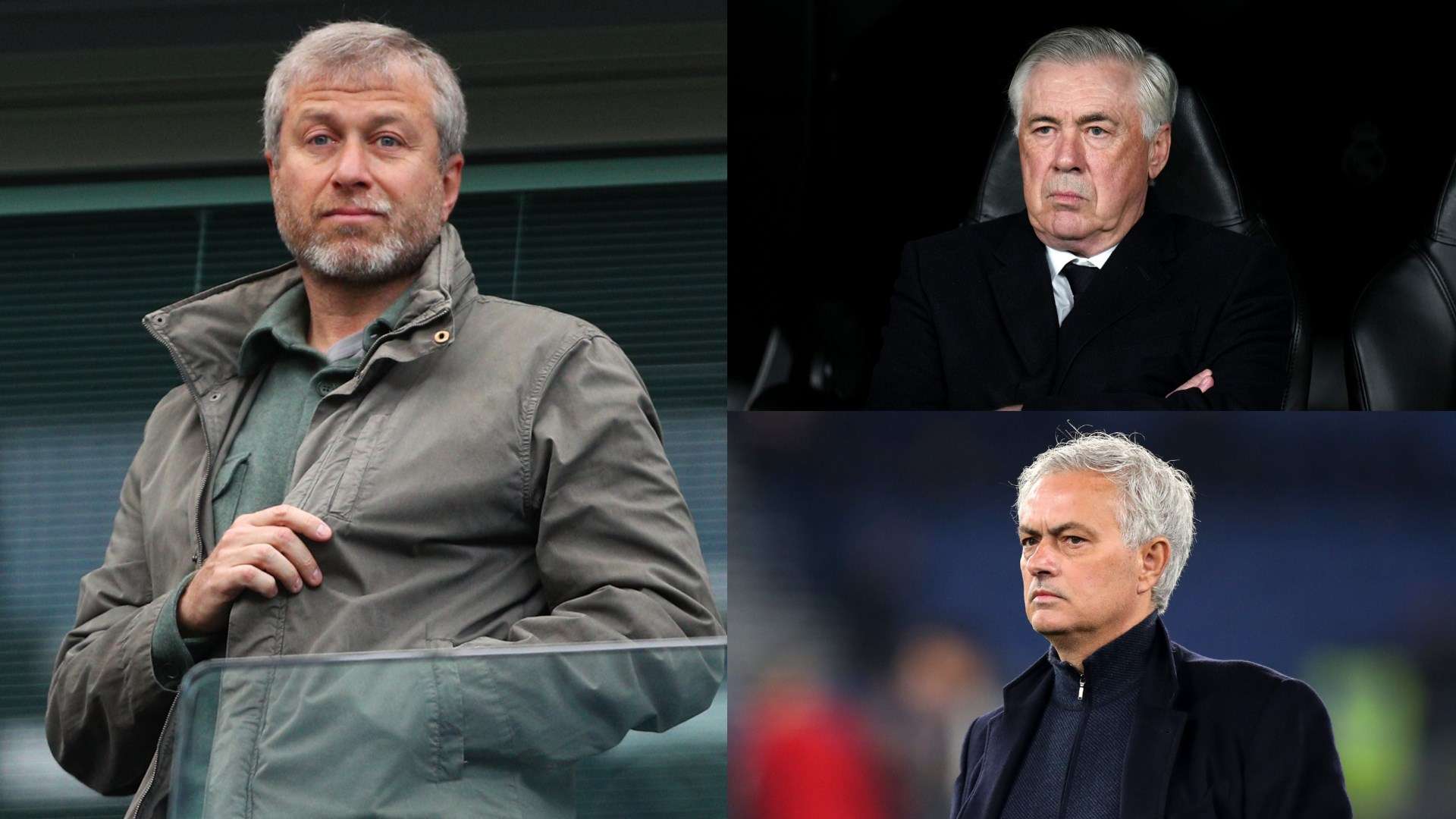

Italian coach Carlo Ancelotti recently revealed the behind-the-scenes drama that led to his surprising sacking from Chelsea, shedding light on how former owner Roman Abramovich’s perception of Jose Mourinho impacted his tenure at the club. Ancelotti, who had a successful first season at Chelsea by winning the Premier League and FA Cup double, opened up about the pressure he faced due to Abramovich’s comparison with Mourinho.
Ancelotti’s Revelation
In a recent interview, Ancelotti shared that Abramovich often measured his success against Mourinho, the charismatic and successful Portuguese manager who had previously led Chelsea to multiple Premier League titles and FA Cups. The Italian coach revealed that Abramovich’s admiration for Mourinho played a significant role in his own departure from Stamford Bridge.
The Impact of Champions League Clash
Ancelotti also highlighted a crucial moment during his time at Chelsea when their Champions League clash with Mourinho’s Inter Milan proved to be decisive. The dramatic knockout tie ended in Chelsea’s defeat, which reportedly intensified the scrutiny on Ancelotti’s position at the club. Despite his previous domestic success, the Italian coach’s failure to progress in the Champions League seemed to have a lasting impact on his relationship with Abramovich.
Abramovich’s High Expectations
Abramovich, known for his high standards and expectations for success, reportedly had a close relationship with Mourinho and valued his contributions to Chelsea’s history. Ancelotti’s revelation sheds light on the intense pressure and comparisons he faced as the manager of a top club like Chelsea, where the owner’s preferences and judgments could significantly influence managerial decisions.
Implications for Football Managers
Ancelotti’s story serves as a reminder of the challenges and complexities faced by football managers in high-pressure environments. The competitive nature of top-tier football often involves intense scrutiny and comparisons, with managers constantly under the spotlight for their performance and results. The dynamics between club owners, managers, and star players can have a profound impact on the team’s success and the manager’s job security.
Lessons Learned
Ancelotti’s experience at Chelsea highlights the importance of managing expectations and navigating relationships within a football club. Success in football is not only measured by trophies and titles but also by the dynamics and relationships within the organization. Understanding the nuances of club culture and owner-manager relationships can be crucial for long-term success and stability in a managerial role.
In conclusion, Ancelotti’s revelation provides valuable insight into the complexities of managing a top football club and the impact of owner-manager relationships on a manager’s tenure. The story serves as a cautionary tale for aspiring football managers navigating the high-stakes world of professional football, where success and failure are often intertwined with personal relationships and external pressures.
Ancelotti’s Legacy and Success Post-Chelsea
Despite the challenges he faced at Chelsea, Carlo Ancelotti continued to establish himself as one of the most respected and successful coaches in world football. After leaving Chelsea, Ancelotti went on to manage several top clubs, including Paris Saint-Germain, Real Madrid, and Bayern Munich. His ability to adapt to different playing styles and cultures further solidified his reputation as a versatile and accomplished manager.
Champions League Redemption with Real Madrid
One of Ancelotti’s most significant achievements came during his tenure at Real Madrid, where he led the team to a historic Champions League victory in the 2013-2014 season. The Italian coach guided Real Madrid to their tenth European Cup triumph, cementing his legacy as a manager capable of delivering success on the biggest stage. This triumph also served as a form of redemption for Ancelotti, showcasing his ability to succeed in the Champions League despite previous setbacks.
Adapting to Different Playing Styles
Throughout his managerial career, Ancelotti demonstrated a remarkable ability to adapt to the playing styles and philosophies of the clubs he managed. From the attacking flair of Real Madrid to the tactical discipline of Bayern Munich, Ancelotti showcased his flexibility and tactical acumen in maximizing the strengths of his players. This adaptability allowed him to achieve success across various leagues and competitions, showcasing his versatility as a top-level coach.
Key Factors for Managerial Success
Ancelotti’s journey in football management highlights several key factors that contribute to success in the highly competitive world of football. Building strong relationships with players, staff, and club owners, as well as effectively managing expectations and pressure, are crucial elements for sustained success as a manager. Ancelotti’s ability to navigate these complexities while maintaining a high level of performance on the field solidified his reputation as one of the best in the business.
Embracing Challenges and Learning from Setbacks
Throughout his career, Ancelotti faced numerous challenges and setbacks, including his departure from Chelsea and other high-profile clubs. However, he approached these obstacles with resilience and a desire to learn and improve. The ability to bounce back from setbacks, adapt to new environments, and continue striving for excellence are qualities that set top managers like Ancelotti apart from their peers.
Legacy of Success and Influence
As a highly respected figure in the footballing world, Carlo Ancelotti’s legacy extends beyond his trophy cabinet. His influence on players, coaches, and the game itself is profound, with many citing him as a mentor and inspiration. Ancelotti’s approach to man-management, tactical innovation, and success on the biggest stages have left an indelible mark on the sport, shaping the next generation of football managers and players.
In conclusion, Carlo Ancelotti’s revelations about his time at Chelsea provide valuable insights into the complexities of football management and the impact of owner-manager relationships on a manager’s tenure. His continued success and legacy in the world of football serve as a testament to his resilience, adaptability, and unwavering commitment to excellence. Aspiring managers can learn valuable lessons from Ancelotti’s journey, understanding the importance of relationships, adaptability, and perseverance in achieving long-term success in the competitive world of professional football.