
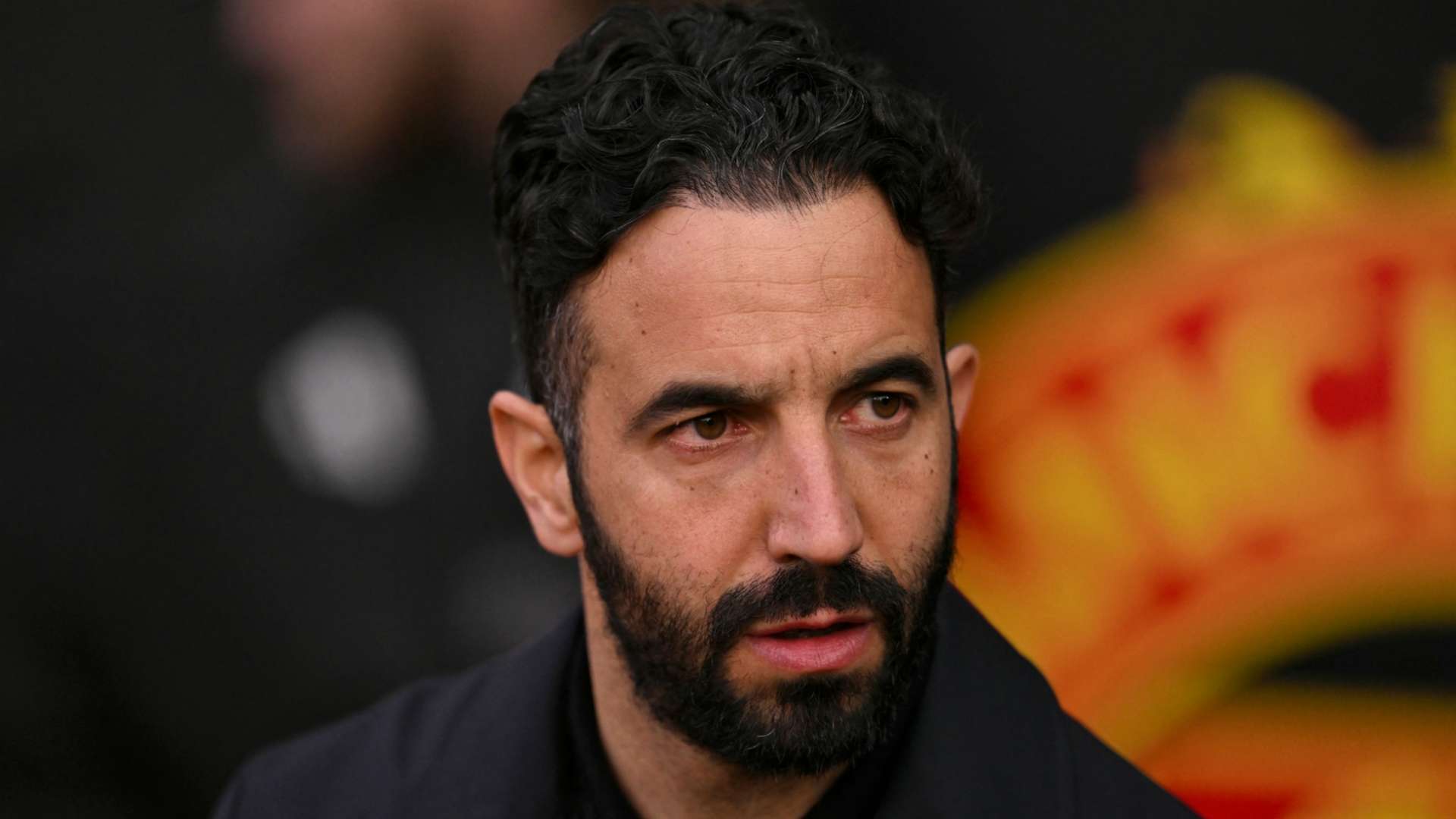

Ruben Amorim Set to Alter Manchester United’s Tactical Approach
Ruben Amorim, Manchester United’s manager, is rumored to be considering a significant tactical shift away from the controversial 3-4-3 system that has drawn criticism in recent matches. The Portuguese coach is facing a dilemma as key players Bryan Mbeumo, Amad, and Noussair Mazraoui are set to depart for the Africa Cup of Nations, leaving a potential gap in the squad.
Possible Tactical Change to a Back-Four System
With the impending absence of Mbeumo, Amad, and Mazraoui due to international duty, Amorim may opt to revert to a back-four system to ensure defensive stability and flexibility in their upcoming fixtures. The reliance on a 3-4-3 formation could be challenging without key players, prompting the need for a strategic adjustment to maintain the team’s performance level.
Amorim’s decision to potentially change tactics reflects his adaptability as a manager and his willingness to make adjustments based on the team’s needs and circumstances. The shift to a back-four system could provide Manchester United with a more solid defensive structure and enhance their overall gameplay.
Impact of Player Absences on Team Dynamics
The departure of Mbeumo, Amad, and Mazraoui for international duty poses a significant challenge for Manchester United’s squad cohesion and offensive capabilities. These players have been integral to the team’s success in recent matches, and their absence will require other players to step up and fill the void.
Amorim will need to carefully consider his options and make strategic changes to ensure that the team maintains its competitive edge during this period. The potential shift to a back-four system could provide the necessary defensive solidity while still allowing for offensive creativity and attacking opportunities.
Adapting to Overcome Challenges
As Manchester United prepares to face upcoming opponents without key players, Amorim’s tactical adjustments will be crucial in maintaining the team’s momentum and achieving positive results. The ability to adapt to changing circumstances and overcome challenges is a hallmark of successful football teams, and Amorim’s decision to alter the team’s tactical approach demonstrates his commitment to finding solutions.
Overall, the potential shift to a back-four system at Manchester United signals a new chapter in the team’s tactical evolution under Ruben Amorim’s leadership. By making strategic adjustments in response to player absences, the team aims to continue its competitive performance and meet the challenges ahead with confidence and determination.
In conclusion, the upcoming changes in Manchester United’s tactical approach highlight the team’s resilience and adaptability in the face of adversity. With Amorim at the helm, the Red Devils are poised to navigate through challenging times and emerge stronger as they seek to maintain their position at the top of the league table.
Impact of Tactical Changes on Player Roles
One of the key aspects to consider when implementing a new tactical approach is how it will affect individual players and their roles within the team. Shifting from a 3-4-3 to a back-four system will likely require players to adapt to different positions and responsibilities on the pitch.
Defenders who were previously part of a three-man backline may now need to adjust to playing in a traditional four-man defense. This could impact their positioning, marking, and distribution of the ball. Midfielders and forwards may also need to modify their movement and pressing patterns to accommodate the tactical change.
Amorim will play a crucial role in ensuring that his players understand their new roles and responsibilities within the team. Clear communication and training sessions focused on the new system will be essential in helping the squad adapt effectively to the tactical shift.
Strategic Analysis and Opposition Prediction
When making changes to a team’s tactical approach, it is important to consider how these adjustments will impact the way opponents perceive and prepare for matches against Manchester United. By moving to a back-four system, the Red Devils may present a different defensive setup and attacking threat that could catch rival teams off guard.
However, opponents will also analyze and adapt to Manchester United’s tactical changes, seeking to exploit any weaknesses or vulnerabilities in the new system. Amorim and his coaching staff must conduct thorough strategic analysis of upcoming opponents to anticipate their tactics and adjust their game plan accordingly.
Predicting how rival teams will respond to Manchester United’s tactical alterations can provide valuable insights into how the Red Devils can gain a competitive edge and secure positive results in their upcoming fixtures. By staying one step ahead of the opposition, Amorim can strategically outmaneuver rival managers and lead his team to victory.
Integration of Youth Players and Squad Rotation
With key players departing for international duty, Amorim may use this opportunity to integrate talented youth players from Manchester United’s academy into the first team. Promising prospects could be given the chance to showcase their skills and contribute to the team’s success during this period of transition.
Squad rotation will also play a vital role in managing player fatigue and ensuring that the team remains competitive across multiple competitions. Amorim will need to carefully balance the use of senior players, youth prospects, and squad depth to maintain performance levels and maximize results on the pitch.
By fostering a culture of development and rotation within the squad, Manchester United can build a strong foundation for sustained success and long-term competitiveness. Amorim’s ability to blend experienced players with emerging talents will be crucial in shaping the team’s identity and achieving a balance between short-term objectives and long-term goals.
Incorporating these additional perspectives into the analysis of Manchester United’s tactical changes under Ruben Amorim’s leadership provides a more comprehensive understanding of the team’s strategic evolution and the factors influencing their performance on the pitch. By considering player roles, strategic analysis, opposition prediction, and squad integration, fans and analysts can gain deeper insights into the dynamics shaping Manchester United’s footballing philosophy and competitive edge in the Premier League and beyond.
