
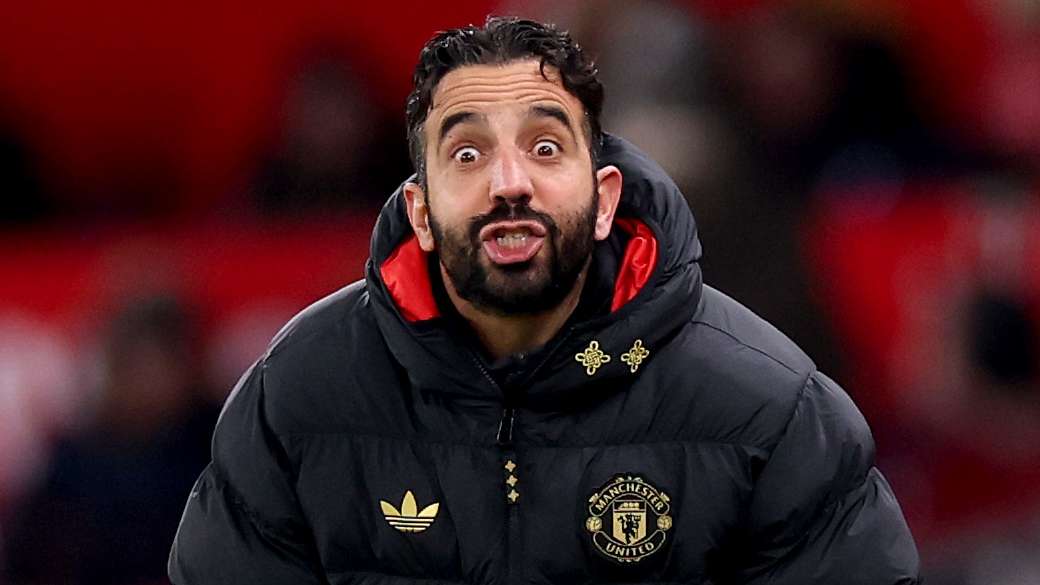

Ruben Amorim Faces Criticism for Manchester United’s Failures
Ruben Amorim, the former manager of Manchester United, has recently been let go from his position due to the team’s underperformance during his tenure. The decision was made by United’s top executives on Monday morning, leaving Amorim to face criticism for his managerial decisions, particularly his insistence on utilizing the 3-4-3 system.
Backlash from Fans and Critics
Amorim’s time at Manchester United has been met with disappointment from fans and critics alike. The team’s lackluster performance and failure to meet expectations have led to calls for change at the managerial level. Amorim’s decision to stick with the 3-4-3 system, despite its shortcomings, has been a point of contention among supporters and pundits.
The system, which Amorim favored throughout his time in charge, failed to deliver the desired results on the pitch. The team’s struggles with consistency and defensive frailties have been attributed to the tactical choices made by the former manager. As a result, Amorim has been held accountable for the team’s shortcomings and has been asked to take his share of the blame for the failures during his reign.
Lessons Learned for Future Success
As Amorim reflects on his time at Manchester United, there are valuable lessons to be learned from the experience. The challenges faced and the mistakes made during his tenure can serve as a learning opportunity for the young manager. Moving forward, Amorim will have the chance to apply these lessons and improve his managerial skills for future success in the football world.
While the decision to part ways with Manchester United was undoubtedly a tough one, it opens up new opportunities for both the team and Amorim. The search for a new manager is already underway, with the hope of finding a leader who can guide the team to greater success. As for Amorim, this experience will shape his approach to management and prepare him for future challenges in the world of football.
Looking Ahead
As the football world awaits the next chapter in Manchester United’s journey, the focus shifts to the future and the possibilities that lie ahead. With a new manager on the horizon, fans and supporters are eager to see what changes will be made to improve the team’s performance on the pitch. Meanwhile, Amorim will be working on his own development and growth as a manager, using this experience as a stepping stone towards achieving success in his career.
While Amorim may have faced criticism for his time at Manchester United, the lessons learned from this chapter will undoubtedly shape his future endeavors in the football world. As he moves forward, Amorim will have the opportunity to grow and evolve as a manager, using his experiences to build a successful career in the sport he loves.
Reflecting on Amorim’s Managerial Style
One of the key aspects of Ruben Amorim’s managerial style that drew criticism during his time at Manchester United was his reluctance to adapt to different tactics and formations. While the 3-4-3 system may have been successful at times, its limitations became apparent as the team struggled to secure wins and maintain a solid defensive record. Amorim’s adherence to this system, despite its shortcomings, raised questions about his flexibility and ability to make necessary adjustments in response to changing circumstances.
Furthermore, Amorim’s communication and man-management skills were also called into question during his tenure at Manchester United. Reports from within the club suggested that there were issues with player morale and team cohesion, with some players feeling alienated or misunderstood by the manager. Building strong relationships with players and creating a positive team culture are essential components of successful management in football, and Amorim’s perceived shortcomings in this area may have contributed to the team’s underperformance.
The Impact of External Factors
It is important to consider the external factors that may have influenced Amorim’s performance as a manager at Manchester United. The pressure and expectations associated with managing a high-profile club like United can be immense, with constant scrutiny from fans, media, and club executives. Additionally, the competitive nature of the Premier League means that even small errors in tactics or team selection can have significant consequences on a team’s performance.
Amorim’s lack of experience at the highest levels of football may have also played a role in his struggles as a manager. Transitioning from coaching smaller clubs to managing a global powerhouse like Manchester United is a challenging task, requiring a different skill set and level of expertise. While Amorim showed promise with his tactical acumen and innovative approach, the demands of managing a top-tier club proved to be a steep learning curve for the young manager.
The Road to Redemption
Despite the criticism and challenges faced during his time at Manchester United, Ruben Amorim’s story is far from over. The experience gained from managing a club of United’s caliber will undoubtedly shape his future endeavors in football management. By reflecting on his mistakes and weaknesses, Amorim can work towards improving his skills and becoming a more well-rounded manager.
As he moves forward in his career, Amorim will have the opportunity to prove his critics wrong and showcase his growth and development as a manager. Whether he returns to coaching at a smaller club or seeks opportunities at other top-tier teams, Amorim’s time at Manchester United can serve as a valuable lesson in resilience, adaptation, and continuous improvement.
Conclusion
In conclusion, Ruben Amorim’s departure from Manchester United marks the end of a chapter filled with challenges, criticism, and valuable lessons. While his time at the club may have been fraught with disappointment and underperformance, Amorim’s journey as a manager is far from over. As he takes the time to reflect, learn, and grow from his experiences, the football world eagerly anticipates the next steps in his career and the potential for redemption and success that lies ahead.
