
Gianni Infantino Faces Little Competition as Nasser Al-Khelaifi Rules Out FIFA Presidential Bid
The upcoming FIFA presidential election scheduled for March in Morocco has garnered significant attention within the football community and beyond. As the world’s most popular sport continues to evolve amid political and organizational challenges, the race for the FIFA presidency is shaping up to be a pivotal event that could influence the future direction of international football. However, recent developments indicate that the current FIFA president, Gianni Infantino, may face little opposition in this election, with prominent football executives like Nasser Al-Khelaifi explicitly ruling out any candidacy.
Al-Khelaifi’s Firm Stance on the FIFA Election
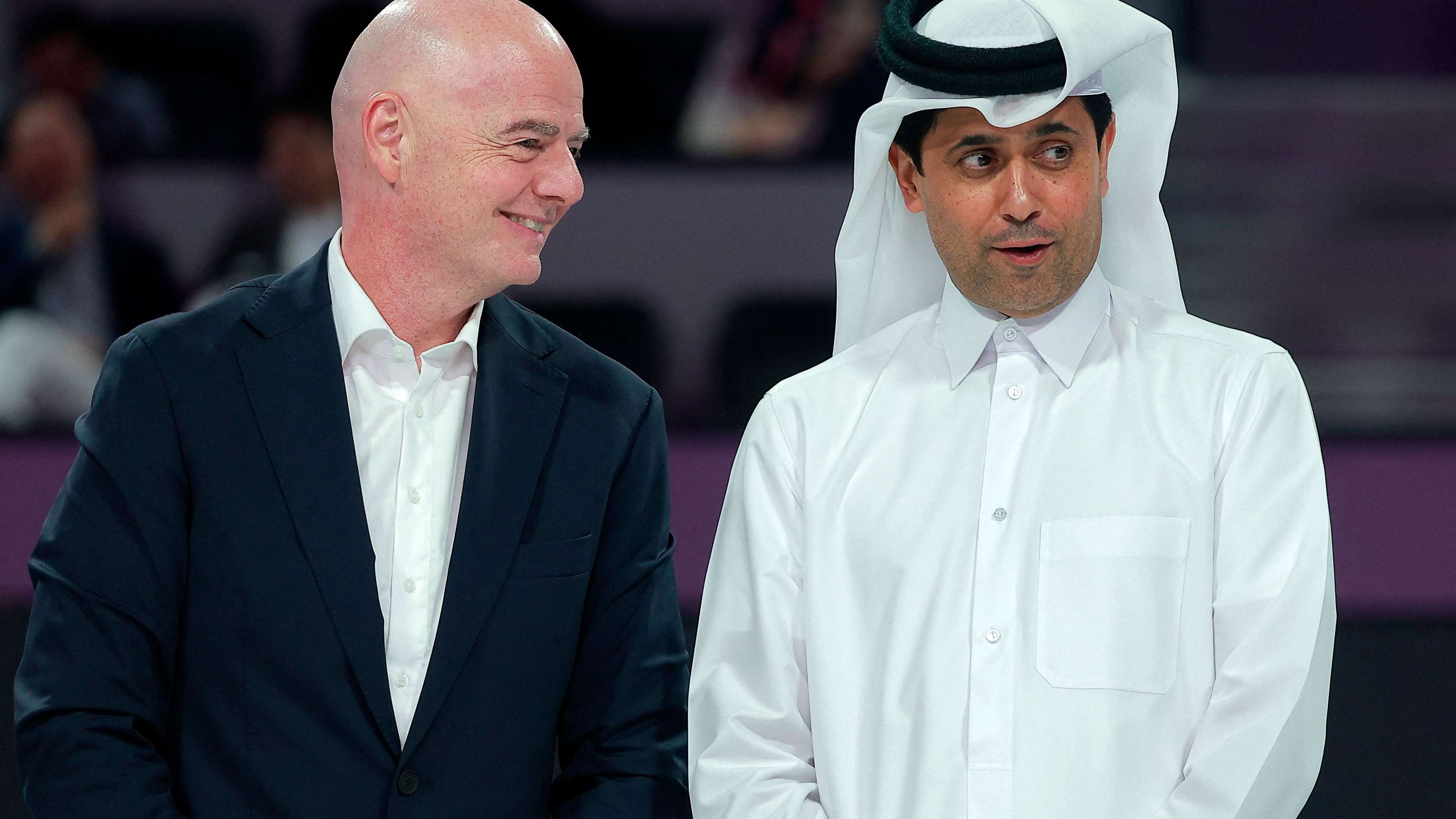
Nasser Al-Khelaifi, the influential president of Paris Saint-Germain (PSG) and a key figure in European football administration as the head of the European Club Association, addressed the ongoing speculation around the FIFA presidential race during a recent gathering of European football leaders. The European Club Association’s general assembly, held in Denmark, provided the platform for Al-Khelaifi to clarify his position definitively.
In a clear and resolute statement, Al-Khelaifi dismissed any interest in running for the FIFA presidency, emphasizing his focus on club football and other organizational priorities. “I have no interest in FIFA, and I do not aspire to membership of it,” he declared publicly, according to reports from the French newspaper Le Parisien. This unequivocal stance comes amid widespread rumors and media speculation suggesting he might consider challenging Gianni Infantino, especially given the criticism faced by the current FIFA president.
Why Al-Khelaifi’s Decision Matters in the Football World
Al-Khelaifi’s rejection of a FIFA bid is significant for several reasons. As the president of PSG, one of Europe’s most successful and high-profile clubs, and as a leading figure in the European Club Association, his influence extends across the continent’s football landscape. His decision not to seek the FIFA presidency demonstrates a prioritization of his current roles and projects within European club football, rather than a desire to enter international football governance at the global level.
Moreover, his public statement underscores a broader sentiment among many European football stakeholders who are increasingly dissatisfied with the current FIFA leadership. Gianni Infantino, who has been at the helm since 2016, has faced criticism over issues ranging from transparency and governance to controversies surrounding tournament hosting and financial management. Several countries, particularly in Europe, have withdrawn their support or expressed reservations about his leadership, casting doubt on his prospects for re-election.
The State of the FIFA Presidential Race
As of now, Gianni Infantino remains the sole declared candidate for the upcoming FIFA presidency. The absence of a robust opposition candidate is a notable development, especially considering the turbulent political atmosphere surrounding international football governance. The lack of challengers could simplify the election process for Infantino, potentially allowing him to secure a second term with minimal contest.
The race’s dynamics could change in the coming months, as other influential figures may choose to enter the fray or new contenders could emerge. Yet, for the moment, the field appears to be limited, with many in the football community watching closely to see if any surprises will materialize before the voting in March.
Implications for Football and Prediction of the Future
The absence of a competing candidate raises questions about the future trajectory of FIFA and the broader landscape of international football governance. With Gianni Infantino’s leadership already under scrutiny, his uncontested re-election might reinforce existing policies, but it also risks entrenching divisions within the global football community.
From a football prediction standpoint, the upcoming election could influence numerous aspects of the sport, including the organization of major tournaments, development programs, and the governance reforms many stakeholders have been advocating for. The leadership style of the elected president will likely impact the sport’s growth, integrity, and inclusivity in the years ahead.
Additional Context: The Broader Picture of Football Politics
The current political landscape within football highlights the importance of leadership transparency, ethical governance, and stakeholder engagement. As top clubs and national associations voice concerns and push for reforms, the leadership choices made at the FIFA level will have ripple effects across the football world.
Nasser Al-Khelaifi’s decision to stay focused on club football and his expressed disinterest in the FIFA presidency reflect a broader trend of influential figures prioritizing their core roles amid ongoing debates about the sport’s future governance. This stance underscores the complexity of leadership choices within football and the importance of strategic focus for top executives.
Conclusion: What to Expect Moving Forward
As the March FIFA elections approach, the football community remains attentive to potential developments. While Gianni Infantino currently stands as the sole candidate, the situation remains fluid, and the possibility of new challengers cannot be entirely dismissed. For now, the clear message from Nasser Al-Khelaifi and other European leaders is that the leadership of global football is best served by those committed to the sport’s integrity and sustainable growth at all levels.
Football fans, clubs, and national associations will be watching closely as the election date draws nearer, eager to see whether any surprises will emerge and how the leadership of FIFA will shape the future of this beloved sport. The prediction remains uncertain, but one thing is certain: leadership decisions taken now will have lasting implications for the development and governance of football worldwide.