
Al-Fateh’s 4-0 Defeat to Al-Ahli Exposes Technical and Mental Concerns
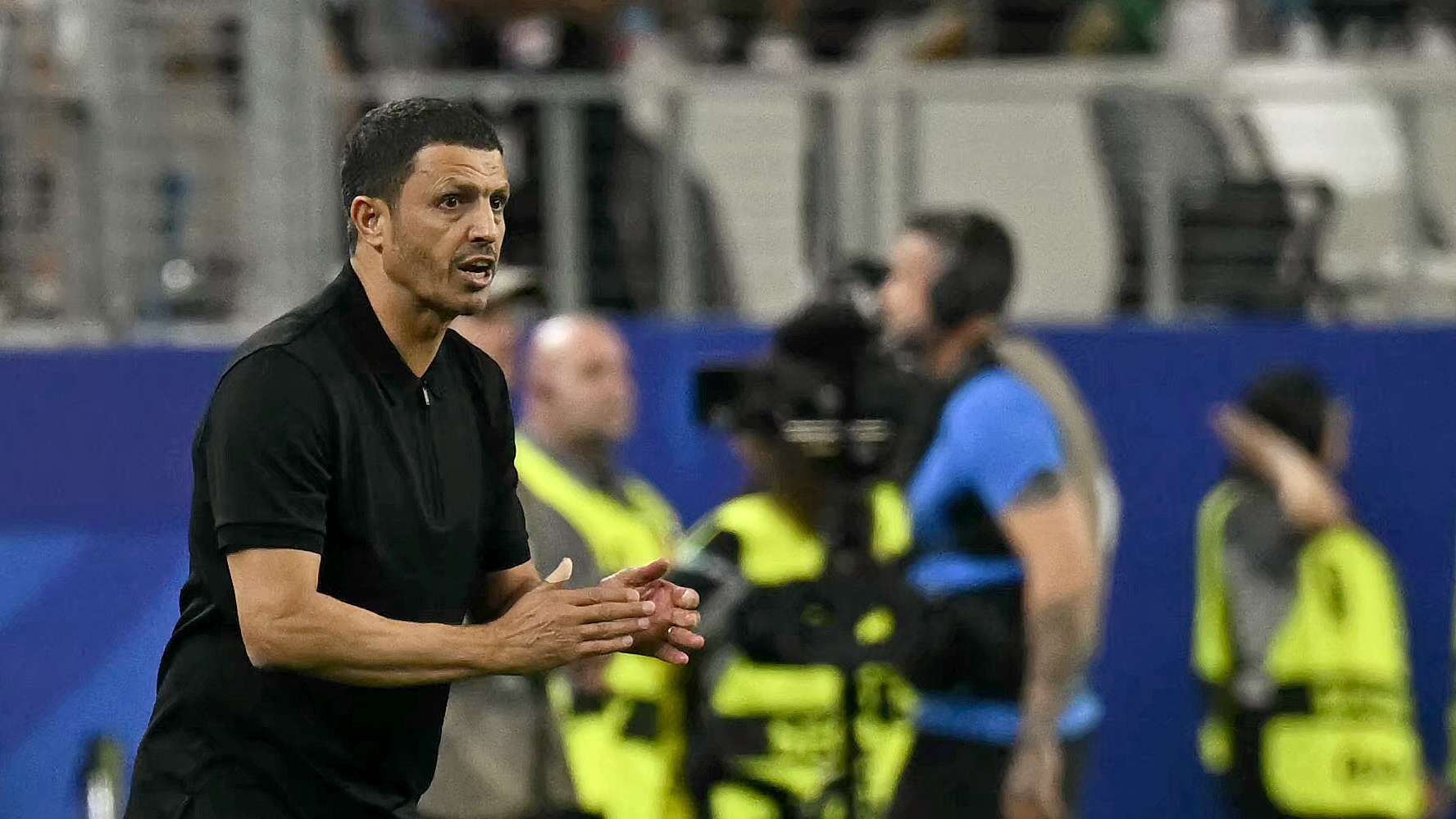
Al-Fateh head coach Jamal Sellami has called for a major response from his players after his side suffered a heavy 4-0 defeat to Al-Ahli in the eighth round of the Saudi Roshn League. The result marked a difficult start to Sellami’s time in charge and left the coach with little doubt about the scale of the work required.
Rather than pointing to one decisive mistake, Sellami said Al-Fateh were below the required standard across the pitch. He identified shortcomings in both the team’s technical execution and its mental approach, warning that improvement will depend on sustained effort rather than a quick fix.
Sellami demands a stronger response
Speaking after the match, the Moroccan coach said he had urged his players to approach the contest with determination. However, Al-Fateh struggled to turn that message into a convincing performance as Al-Ahli took control and punished their opponents’ weaknesses.
“Before anything else, I asked the players to go into the match with a fighting spirit, but many things were missing from us,” Sellami explained. He added that the team needed to make a significant effort to correct its course, both technically and mentally.
His assessment reflects the challenge facing Al-Fateh as they attempt to regain stability in a demanding league campaign. A team can often recover from a poor result, but a four-goal loss can expose deeper issues in organization, confidence and decision-making. Sellami’s comments suggest the coaching staff will need to address all three areas before the next fixture.
Concentration lapses prove costly
Al-Fateh’s defensive problems were especially apparent as the match progressed. Sellami pointed to lapses in concentration that allowed Al-Ahli to take advantage, while stressing that many of the errors leading to goals could have been avoided. The visitors also collected four yellow cards, another sign of a difficult evening in which frustration and pressure appeared to affect their discipline.
Against a strong opponent, small mistakes can quickly change the shape of a game. A missed assignment, a slow reaction or a poorly timed challenge may give the opposition the space needed to create a scoring opportunity. For Al-Fateh, the priority will be to improve communication and maintain focus for the full 90 minutes—not only when the team has possession, but also during defensive transitions and set-piece situations.
The scoreline also raises questions about how Al-Fateh respond after conceding. Teams that fall behind need to stay organized and avoid allowing one setback to lead to another. If confidence drops, gaps can open across the pitch, making it easier for opponents to build attacks. Sellami’s emphasis on the mental side of the performance points to the importance of restoring composure as well as improving technical quality.
A thin bench limits in-game options
Sellami also highlighted the lack of depth available to him from the substitutes’ bench. With limited alternatives, he had fewer opportunities to change the balance of the match through fresh players or tactical adjustments. That constraint can become particularly important when a team is chasing a result, dealing with fatigue or trying to respond to an opponent’s change in approach.
Squad depth is a significant factor in a long season, especially in a league where fixtures can arrive in quick succession. A strong bench gives a coach more ways to manage energy levels, introduce a different style of play or reinforce a vulnerable area. Al-Fateh’s shortage of options may therefore require attention alongside the immediate work on defensive organization and concentration.
However, limited resources do not remove the need for improvement from the players already available. Sellami’s comments make clear that the squad must take responsibility for correcting avoidable errors and raising its level of commitment. Training-ground work, clear roles and better communication could help the team become more resilient while the club assesses its options.
What Al-Fateh must fix before the next match
The defeat provides Al-Fateh with a clear, if painful, checklist. The team needs to defend as a unit, reduce unnecessary fouls and bookings, and make better decisions under pressure. It must also find a way to turn fighting spirit into consistent performance, particularly when facing opponents capable of exploiting brief lapses.
For Sellami, the next step is likely to involve reviewing the goals conceded and identifying where the team’s structure broke down. That process can help distinguish between individual mistakes and wider tactical problems. If the issues are collective, adjustments to positioning and pressing may be needed. If they stem mainly from concentration, the coaching staff will have to find ways to keep players alert throughout the match.
Al-Fateh’s upcoming schedule offers little room for complacency, with another Saudi Pro League fixture against Al-Hilal listed for October 15, 2026. The club will need to respond quickly, although a single result should not be treated as a complete measure of the team’s potential. The more important test will be whether the players show visible progress in discipline, organization and confidence.
Al-Fateh vs. Al-Hilal prediction: the response matters most
Any football prediction for Al-Fateh’s next league outing will depend heavily on how the team reacts to this defeat. If the defensive errors continue and the squad struggles to stay composed, the challenge will be considerable. But a more compact shape, sharper concentration and a determined response could make the contest far more competitive.
For now, Sellami’s message is straightforward: Al-Fateh must work hard to put the team back on course. The 4-0 loss to Al-Ahli has exposed weaknesses, but it has also made the areas requiring attention impossible to ignore. Whether the club can translate that assessment into meaningful improvement will shape the early direction of Sellami’s tenure and Al-Fateh’s season.