
Ultras Group Causes Abandonment of Ajax vs. Groningen Eredivisie Fixture
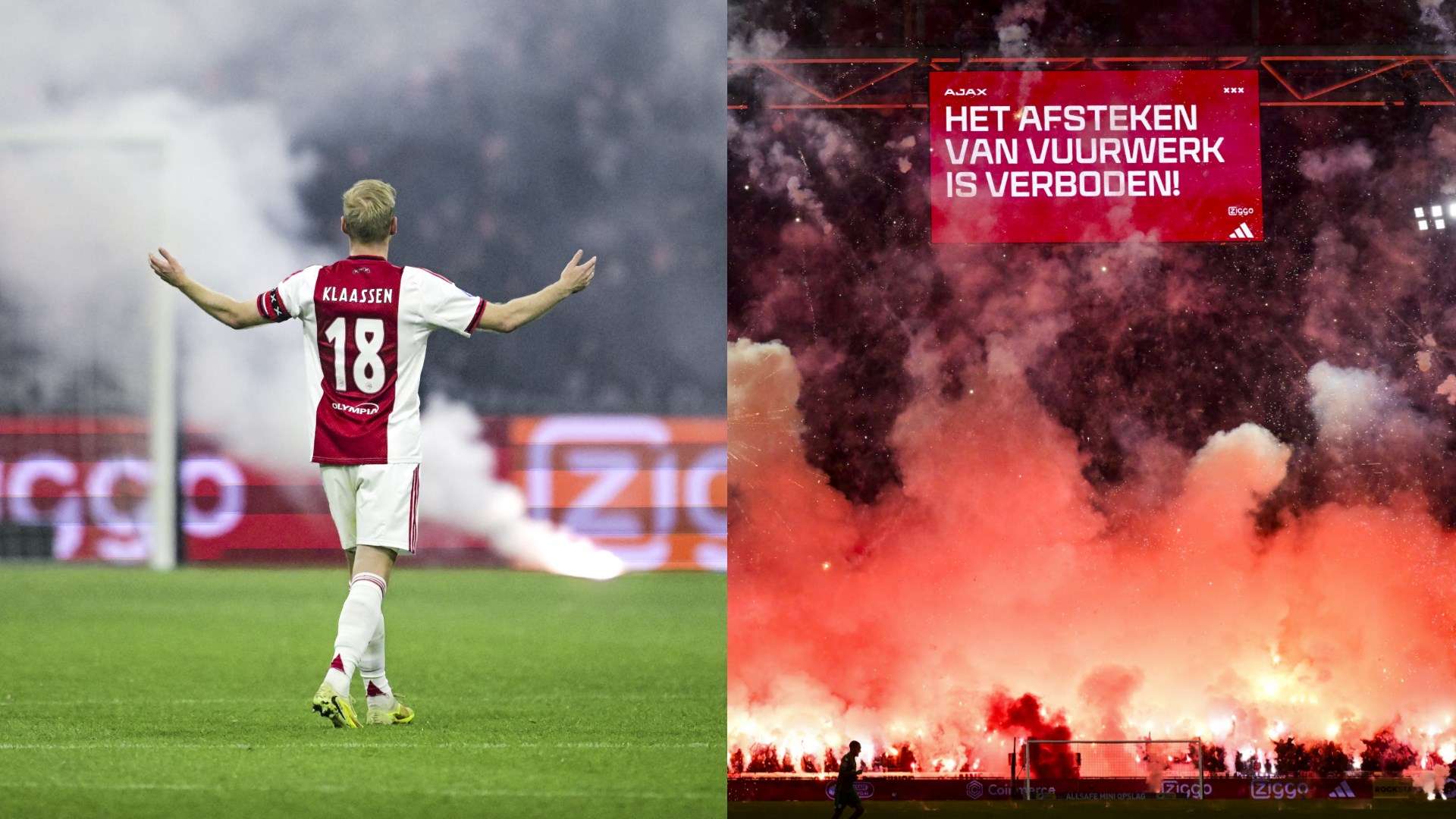
The Eredivisie fixture between Ajax and Groningen took a shocking turn as an ultras group disrupted the game in the sixth minute by setting off hundreds of fireworks in honor of a recently deceased supporter. The incident led to referee Bas Nijhuis initially suspending play for half an hour before eventually abandoning the game entirely.
The Disruption
As both teams were on the field for the match, the ultras group unleashed a massive display of pyrotechnics, causing chaos and endangering the safety of players, officials, and spectators. The fireworks created a hazardous environment, leading to the referee’s decision to halt the game temporarily.
The ultras group’s actions were in tribute to a supporter who had recently passed away, but the timing and manner of the display were highly inappropriate and posed a significant risk to everyone present at the stadium.
Referee’s Response
Referee Bas Nijhuis acted swiftly in response to the disruption, suspending play in an attempt to restore order and ensure the safety of all individuals involved. Despite efforts to resume the match after the initial suspension, the pyrotechnic display persisted, leading Nijhuis to make the difficult decision to abandon the game entirely.
Nijhuis’s decision to abandon the fixture was met with disappointment from both teams and fans, as the match promised to be an exciting contest between two top Eredivisie sides. However, the referee prioritized the safety and security of everyone present, ultimately putting an end to the chaotic situation caused by the ultras group.
Impact on the Eredivisie
The abandonment of the Ajax vs. Groningen fixture has raised concerns about the behavior of ultras groups and their influence on football matches. While passionate support is an integral part of the sport, actions that compromise safety and disrupt the game are unacceptable.
Authorities and football governing bodies are likely to investigate the incident and take appropriate measures to prevent similar disruptions in the future. The Eredivisie and clubs involved may also face repercussions for the abandoned fixture, highlighting the need for stricter regulations and enforcement to maintain the integrity of football competitions.
Overall, the ultras group’s actions have cast a shadow over what should have been a competitive and thrilling match in the Eredivisie, underscoring the importance of respectful and responsible fan behavior in football.
As the football community reflects on the incident, the focus remains on ensuring the safety and enjoyment of all individuals involved in the sport, both on and off the pitch.
Ultras Culture in Football
The incident at the Ajax vs. Groningen fixture sheds light on the complex and often controversial ultras culture present in football. Ultras groups are known for their passionate support of their teams, creating vibrant atmospheres in stadiums with chants, flags, and choreographed displays. However, there is a darker side to ultras culture, characterized by violence, vandalism, and pyrotechnic incidents like the one that led to the abandonment of the Eredivisie match.
While not all ultras groups engage in disruptive behavior, there is a subset that crosses the line between fervent support and dangerous actions that put lives at risk. Football clubs and authorities often struggle to balance the desire for passionate fan support with the need to maintain safety and order in stadiums.
Impact of Abandoned Matches
Abandoning a football match has far-reaching consequences beyond just the immediate disruption. It affects the teams involved, the fans who had come to watch the game, and the reputation of the league itself. In addition to the financial implications for clubs, abandoned matches can also impact the integrity of the competition and create scheduling challenges.
The Eredivisie will now have to reschedule the Ajax vs. Groningen fixture, causing logistical challenges and potential conflicts with other matches. The abandoned game also leaves a sense of injustice for both teams, as they were unable to compete and earn valuable points in the league standings.
Preventing Future Incidents
To prevent similar incidents in the future, football authorities may need to implement stricter security measures, increase surveillance in stadiums, and work closely with clubs to identify and address potential risks. Education and awareness campaigns targeting ultras groups could also help promote responsible fan behavior and discourage actions that could lead to game disruptions.
Furthermore, clubs and league organizers could collaborate with supporters’ groups to establish codes of conduct and guidelines for fan behavior, emphasizing the importance of supporting the team in a safe and respectful manner. By fostering a culture of accountability and mutual respect, football can maintain its status as a unifying and enjoyable sport for all fans.
Conclusion
The incident involving the ultras group at the Ajax vs. Groningen Eredivisie fixture serves as a stark reminder of the delicate balance between passion and responsibility in football. While the sport thrives on the enthusiasm of fans, it is essential to uphold standards of safety, respect, and fair play to ensure that matches proceed smoothly and without incident.
Moving forward, stakeholders in football must work together to address the underlying issues that contribute to disruptive behavior and implement strategies to prevent similar disruptions in the future. By prioritizing the well-being of players, officials, and spectators, football can continue to be a source of joy and camaraderie for fans around the world.