

BCCI Introduces New Rule for Serious Injury Replacements in Multi-Day Cricket
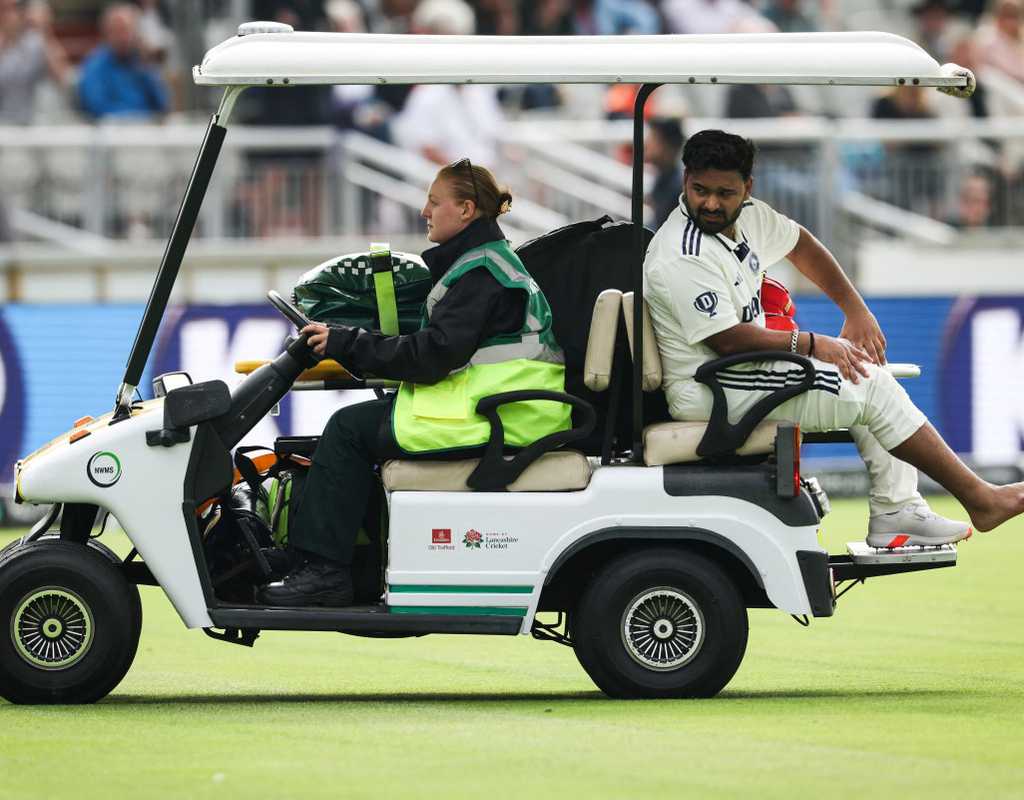
The Board of Control for Cricket in India (BCCI) has made a significant amendment to the playing conditions for the upcoming domestic season, allowing for injury replacements in multi-day cricket matches. This decision comes in the wake of recent incidents involving players like Rishabh Pant and Chris Woakes, who suffered major injuries during the fourth and fifth Tests.
New Rule for Serious Injury Replacements
The newly-introduced rule, under the sub-head ‘Serious Injury Replacement’, permits a like-for-like replacement in the event of a serious injury sustained during play within the designated playing area. This rule is similar to the concussion replacement protocol and aims to ensure fairness in the game.
Gautam Gambhir has expressed support for this rule change, emphasizing the importance of allowing substitutes in cases of visible and serious injuries. However, some, like Ben Stokes, have criticized the idea, calling it “ridiculous” and citing potential loopholes that teams could exploit.
Concerns and Considerations
The debate surrounding the introduction of serious injury replacements in multi-day cricket has raised several concerns about its implementation and implications for the game. While the rule aims to provide necessary support for injured players, there are questions about how it may impact team dynamics and competitive balance.
Stokes, echoing the sentiment of other critics, believes that injuries are a natural part of the game and that teams should be prepared to deal with such setbacks without the need for replacements. He argues that allowing for injury replacements could open the door for strategic manipulation and disrupt the integrity of the game.
Implementation and Future Outlook
The BCCI has outlined a detailed procedure for requesting a serious injury replacement, which involves consultation with match officials, medical experts, and the match referee. The decision to approve a replacement rests with the match referee, who considers factors like the nature of the injury and the impact on the team’s performance.
While the rule will be in effect for the upcoming domestic season, it is yet to be seen whether it will be extended to other formats of the game, such as white-ball cricket or the Indian Premier League (IPL). The BCCI’s decision to introduce serious injury replacements in multi-day cricket reflects a growing emphasis on player welfare and safety in the sport.
Conclusion
As the cricketing world grapples with the implications of the new rule for serious injury replacements, the BCCI’s initiative signals a proactive approach towards addressing player concerns and ensuring a level playing field. While the debate continues among players, officials, and fans, the implementation of this rule marks a significant development in the evolution of cricket regulations.
Evolution of Cricket Rules and Player Welfare
The introduction of the new rule for serious injury replacements by the BCCI reflects a broader trend in cricket towards prioritizing player welfare and safety. In recent years, there has been a greater focus on ensuring the physical and mental well-being of cricketers, given the demanding nature of the sport and the toll it can take on players’ bodies.
With the increasing intensity and competitiveness of cricket at all levels, the risk of injuries has become a significant concern for players, teams, and governing bodies. By allowing for serious injury replacements in multi-day matches, the BCCI is acknowledging the need to provide support for players who suffer severe injuries that impact their ability to continue playing.
Impact on Team Strategy and Dynamics
One of the key arguments against the introduction of serious injury replacements is the potential impact on team dynamics and strategy. Critics like Ben Stokes argue that teams should be able to adapt to injuries within their squad without the need for replacements, as injuries are an inherent part of the game.
However, proponents of the new rule argue that in cases of serious injuries that significantly affect a team’s performance, allowing for replacements ensures a fair and competitive environment. By implementing a like-for-like replacement system, the BCCI aims to minimize the disadvantage faced by a team due to an unforeseen injury to a key player.
Future Considerations and Adaptations
While the new rule for serious injury replacements will be in effect for the upcoming domestic season, its long-term implications and potential adaptations remain to be seen. The BCCI may monitor the implementation of the rule closely and assess its impact on the game before deciding on extending it to other formats like white-ball cricket or T20 leagues.
As the cricketing landscape continues to evolve, with new formats, regulations, and challenges emerging, governing bodies like the BCCI will need to strike a balance between tradition and innovation. The introduction of rules like serious injury replacements signifies a willingness to adapt to the changing needs of the sport while upholding its core values and principles.
Embracing Change for the Betterment of Cricket
Ultimately, the debate surrounding the new rule for serious injury replacements in multi-day cricket reflects the ongoing dialogue within the cricketing community about how best to enhance the game while safeguarding the interests of players. By embracing change and considering new approaches to address pressing issues like player injuries, cricket can continue to thrive and evolve as a sport.
As fans, players, and officials navigate these discussions and adjustments, the core essence of cricket – its spirit of competition, camaraderie, and sportsmanship – remains at the heart of these developments. The BCCI’s decision to introduce serious injury replacements represents a step towards ensuring that cricket remains a dynamic, inclusive, and player-centric sport for years to come.
By exploring the implications, considerations, and potential future directions of the new rule for serious injury replacements, the cricketing community can engage in constructive dialogue and decision-making processes that prioritize the well-being and integrity of the game.