
Alan Shearer Criticizes Former Manchester United Boss Ruben Amorim
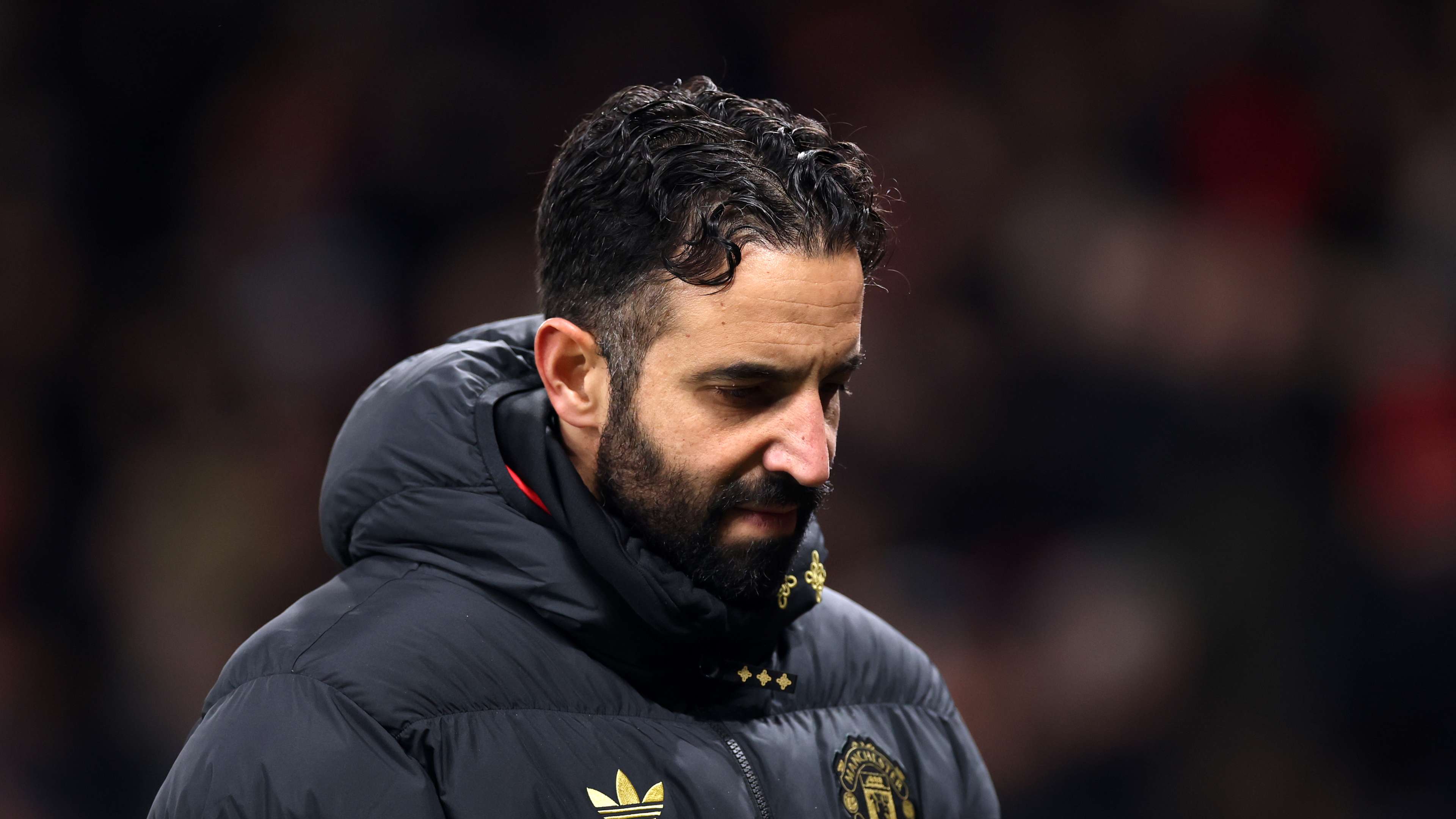
Legendary footballer Alan Shearer has made headlines with his recent scathing attack on former Manchester United boss Ruben Amorim. Shearer, who is known for his outspoken nature, did not hold back in labelling the Portuguese coach as “arrogant” for his failure to adapt his tactics during his time at Old Trafford.
Refusal to Adapt Tactics
According to Shearer, Amorim’s downfall at Manchester United can be attributed to his stubbornness in sticking to a back-three system despite poor results on the field. This refusal to adapt his tactics ultimately led to his sacking earlier this month, paving the way for Michael Carrick to take over as interim manager.
Shearer believes that Carrick’s impressive start to life in the dugout only serves to highlight the shortcomings of his predecessor. The former Newcastle striker commended Carrick’s willingness to make changes and try new approaches, contrasting it with Amorim’s rigid approach to coaching.
Shearer’s Criticism
In a recent interview, Shearer did not mince his words when criticizing Amorim’s management style. He accused the former Manchester United boss of being arrogant and unwilling to listen to feedback or make adjustments when needed. Shearer emphasized the importance of flexibility in football management, noting that successful coaches are those who can adapt to different situations and opponents.
Shearer’s comments have sparked a debate among football fans and pundits, with many weighing in on the role of tactics and adaptability in modern football. While some have defended Amorim’s approach, citing his success at previous clubs, others have echoed Shearer’s sentiments and called for a more flexible and open-minded approach to coaching.
Implications for Manchester United
Amorim’s departure and Carrick’s interim appointment have raised questions about the future direction of Manchester United. With the team currently sitting outside the top four in the Premier League, fans and analysts are eager to see how Carrick will fare in his new role and whether he can lead the team to success.
As the debate over tactics and adaptability continues to rage on, all eyes will be on Manchester United’s upcoming matches to see if Carrick’s approach brings about positive results on the pitch. Whether Shearer’s criticism of Amorim will serve as a wake-up call for coaches across the footballing world remains to be seen.
In conclusion, Shearer’s bold critique of Ruben Amorim’s management style has sparked a conversation about the importance of adaptability in football coaching. As fans and pundits analyze the implications of Amorim’s sacking and Carrick’s appointment, the debate over tactics and flexibility in modern football shows no signs of slowing down.
The Importance of Tactical Flexibility in Football
Shearer’s criticism of Amorim sheds light on a key aspect of successful football management – tactical flexibility. In modern football, where the game is constantly evolving and opponents are becoming more tactically astute, the ability to adapt and change strategies on the fly is crucial for sustained success.
Top coaches like Pep Guardiola, Jurgen Klopp, and Thomas Tuchel are known for their tactical acumen and their willingness to experiment with different formations and playing styles based on the opposition. This adaptability allows them to stay one step ahead of their rivals and consistently achieve positive results.
In contrast, coaches who are rigid in their approach risk falling behind and facing criticism, as was the case with Amorim at Manchester United. Shearer’s comments serve as a reminder to aspiring coaches that being open-minded and willing to make adjustments is essential for long-term success in football.
The Evolution of Football Tactics
Football tactics have come a long way since the traditional 4-4-2 formation dominated the game. Nowadays, coaches employ a variety of systems, such as the high pressing of Klopp’s Liverpool, the possession-based football of Guardiola’s Manchester City, and the defensive solidity of Tuchel’s Chelsea.
This diversity in tactics has made the game more dynamic and unpredictable, requiring coaches to constantly innovate and adapt to stay ahead of the curve. The days of one-size-fits-all strategies are long gone, with teams now needing to tailor their approach based on the strengths and weaknesses of their opponents.
Implications for Coaches and Players
Shearer’s criticism of Amorim serves as a cautionary tale for coaches at all levels of the game. Whether managing a top-tier club or a grassroots team, the ability to assess situations, make quick decisions, and implement changes can mean the difference between victory and defeat.
Players also play a crucial role in a team’s tactical flexibility, as they must be adaptable and versatile to execute different game plans effectively. A squad full of players who can seamlessly switch between formations and roles gives a coach more options and enhances the team’s chances of success.
Looking Ahead
As the debate over tactics and adaptability in football continues, it will be interesting to see how coaches and players around the world approach the ever-evolving game. Shearer’s critique of Amorim serves as a reminder that success in football requires more than just talent – it demands strategic thinking, flexibility, and a willingness to learn and grow.
As fans eagerly await Manchester United’s next matches under Carrick’s guidance, the spotlight will be on how the interim manager navigates the challenges ahead and whether his approach brings about positive results on the pitch. Only time will tell if Shearer’s words will inspire a shift in mindset among coaches or if the debate over tactics will remain a central theme in the beautiful game.