

Football’s Future in Flux: How the Lengthy International Break Disrupts the 2026/2027 Season and Sparks Global Debate
The 2026/2027 football season is set to be one of the most unpredictable in recent memory, thanks to a significant overhaul in the international calendar. For the first time in recent history, clubs, leagues, and national teams are grappling with an extended and unprecedented break that could have far-reaching implications for predictions, team strategies, and the overall rhythm of football competitions worldwide.
Unveiling the New International Window: Merging September and October Breaks
Traditionally, the football calendar has included distinct international breaks scattered throughout the season, often causing disruptions for club competitions like the UEFA Champions League, La Liga, and the Premier League. However, FIFA has introduced an innovative approach for the upcoming season: they have combined the September and October international breaks into a single, elongated window. This change aims to streamline international fixtures but has sparked a wave of criticism from clubs and managers alike.
The rationale behind this decision, according to FIFA, is to create a more consolidated window that facilitates player availability and international scheduling. Nonetheless, the move has ignited concerns about its impact on club football, player health, and the predictability of team performance. With a three-week period where players are away on international duty, clubs are questioning whether this innovative schedule will serve the best interests of the sport or merely complicate matters further.
Clubs Voice Frustration: The Case of Barcelona and Real Madrid
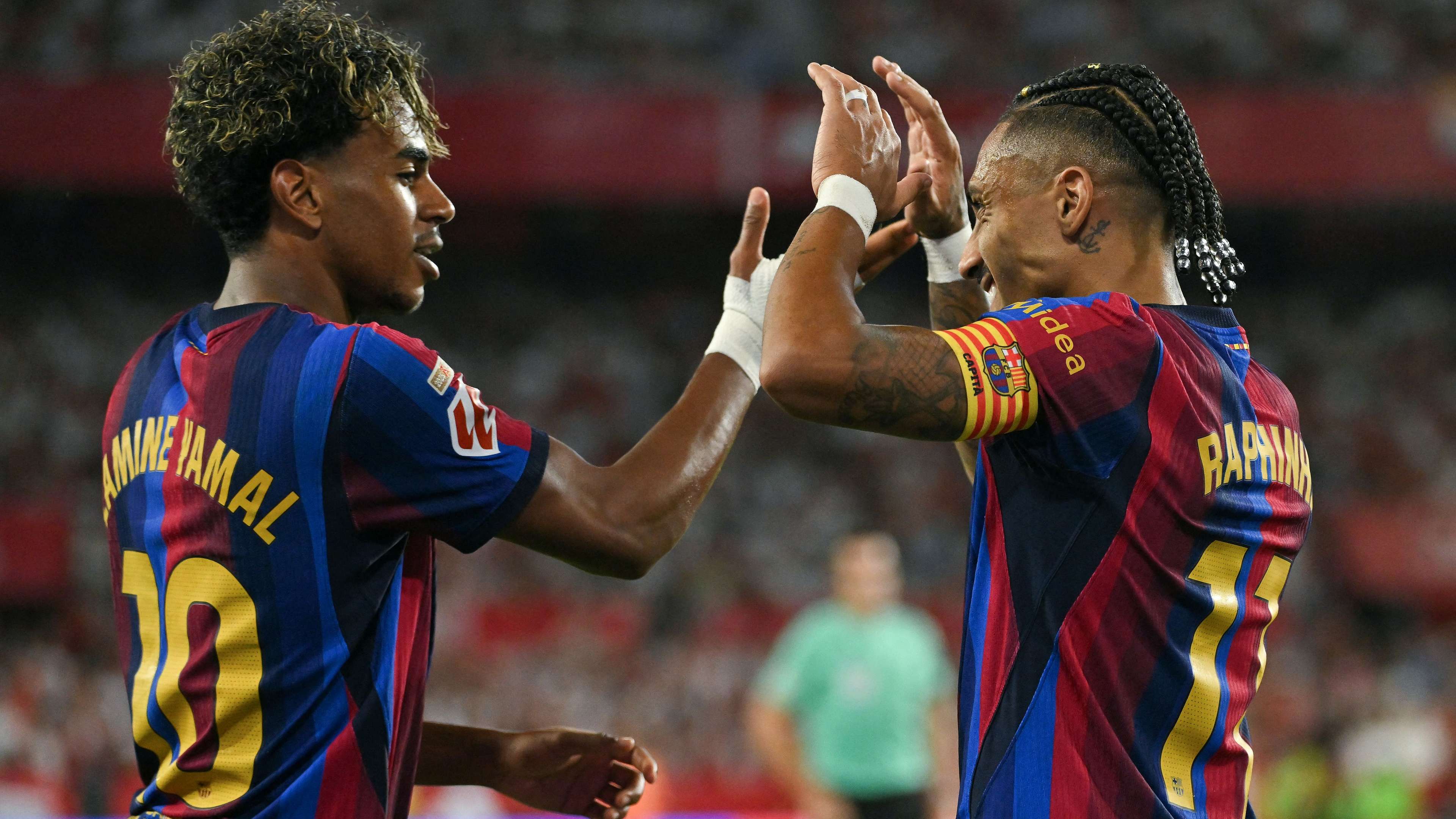
The Spanish giants Barcelona and Real Madrid have been at the forefront of opposition against the new international break. During a recent general assembly, FC Barcelona’s president Joan Laporta expressed his disapproval, highlighting specific instances that exemplify the potential pitfalls of the new system. One notable example is Raphinha, who missed last season’s Champions League quarter-final against Atlético Madrid due to an injury sustained while on international duty with Brazil.
Joan Laporta criticized the schedule, stating: “This break makes no sense. It involves four matches in quick succession, harms our team, and disrupts our rhythm. The congested calendar is already taxing for players, and this new format only exacerbates the problem. We will engage with UEFA and FIFA to seek solutions that prioritize player health and team stability.”
Meanwhile, Bayern Munich’s head coach Julian Nagelsmann echoed similar sentiments, emphasizing concerns over player fatigue and the risk of injuries. As he prepares for the upcoming matches, Nagelsmann pointed out how crucial it is to maintain balance amidst these scheduling upheavals.
From the German Perspective: FC Bayern’s Flick Supports the Concerns
Hansi Flick, who has overseen one of FC Bayern’s most successful starts in recent history with eight consecutive wins, voiced his apprehensions before an upcoming match against Sevilla. Speaking to the media, Flick expressed his understanding of the players’ and coaches’ worries about the international break.
He remarked: “Many players will be away with their national teams, which can leave clubs in a precarious position. We trust the national team coaches to manage their players responsibly, but the gaps between club matches and international fixtures are often too short, risking injuries and burnout.”
Real Madrid’s Perspective: Mourinho and the Challenge of Player Availability
Real Madrid, a club that has faced questions about its competitive level in recent years, also voiced concerns about the new schedule. José Mourinho, the club’s well-known coach, highlighted the logistical challenges faced by clubs with star players involved in international tournaments.
Before the Madrid derby, Mourinho stated: “We must adapt to these changes. Imagine having only four players available for 20 days, with some arriving just days before key matches. Vini Jr. is traveling from India with Brazil, while Valverde is returning from Korea and India. The European players face a similar predicament, with their own UEFA Nations League commitments. It’s a logistical nightmare that could influence predictions for the season’s outcome.”
National Teams and Coaches Push Back Against the New System
The discontent isn’t limited to clubs. National team coaches, who are directly affected by these extended breaks, have also voiced their dissatisfaction. Luis de la Fuente, head coach of Spain, openly criticized the new system after announcing his squad for the UEFA Nations League matches.
He explained: “I do not like this format. Between matches, we only have two days of rest, which is hardly enough considering travel and recovery. The previous system was more considerate of players’ health and well-being. This new approach seems to prioritize scheduling convenience over the players’ physical and mental health.”
European Clubs’ Cautious Approach: Waiting for Results
Across Europe, opinions are more reserved. Many clubs prefer to observe how the new schedule unfolds before making definitive judgments. Arsenal’s Mikel Arteta emphasized the importance of communication and adaptability, stating: “We need to try this system and see its impact. Different national teams adopt varied approaches, so maintaining clear communication will be essential to navigate these changes effectively.”
Manchester City’s Enzo Maresca, known for his wit, added a humorous touch to the debate: “My children are in school, so I have plenty of time to review matches during the international break. It’s a good opportunity to analyze our strengths and weaknesses.”
Impact on Top European Clubs: PSG, Bayern, and Beyond
Paris Saint-Germain, which has had a somewhat inconsistent start to the season, is also adjusting to these changes. Coach Luis Enrique highlighted the need for flexibility: “We must accept the length of these breaks. Our players will have individual training sessions here, and we’ll do our best to keep everyone fit.”
Similarly, Bayern Munich’s Vincent Kompany expressed a pragmatic outlook. The Belgian coach stressed the importance of maintaining squad fitness during the international break: “We have the entire squad available, and our goal is to keep everyone in top shape. If players stay healthy during these weeks, we’ll be in a strong position for the rest of the season.”
Predictions and Future Outlook: How Will This Affect the 2026/2027 Season?
As the football world braces for this experimental international calendar, predictions for the upcoming season become more speculative. Analysts are debating whether the disruption will lead to unexpected results, favor certain teams, or cause injuries that could derail otherwise promising campaigns. The new schedule might also influence transfer strategies, with clubs considering the physical demands placed on players during these extended breaks.
Football prediction models typically rely on consistent team performance and player availability. However, the current uncertainty adds a layer of complexity, making accurate forecasts more challenging. Fans and pundits will be watching closely to see how teams adapt to this new rhythm and whether the anticipated benefits of a consolidated international window outweigh the drawbacks.
Additional Context: Broader Implications for Global Football
This scheduling shift reflects a broader trend in football towards balancing club interests, national team commitments, and player welfare. The debate highlights the ongoing struggle to find a sustainable model that satisfies all stakeholders. As FIFA and UEFA continue to experiment with the calendar, expect further adjustments, negotiations, and perhaps new formats aimed at optimizing the sport’s global appeal.
The 2026/2027 season may serve as a pivotal case study for future scheduling innovations. The predictions surrounding this period will influence how leagues, clubs, and national teams plan their strategies, training regimens, and player rotations moving forward. Ultimately, the success or failure of this experiment could redefine international football’s calendar for years to come.
Join the Conversation
What are your thoughts on the new international break and its impact on football predictions for this season? Do you believe the benefits of a consolidated schedule outweigh the risks? Share your insights and engage with fellow fans in the “Kooora” forums to discuss the future of football amid these unprecedented changes.
As the 2026/2027 season unfolds, all eyes will be on how well teams adapt to this evolving landscape. One thing is certain: the game is entering a new era—full of challenges, opportunities, and, undoubtedly, more surprises.