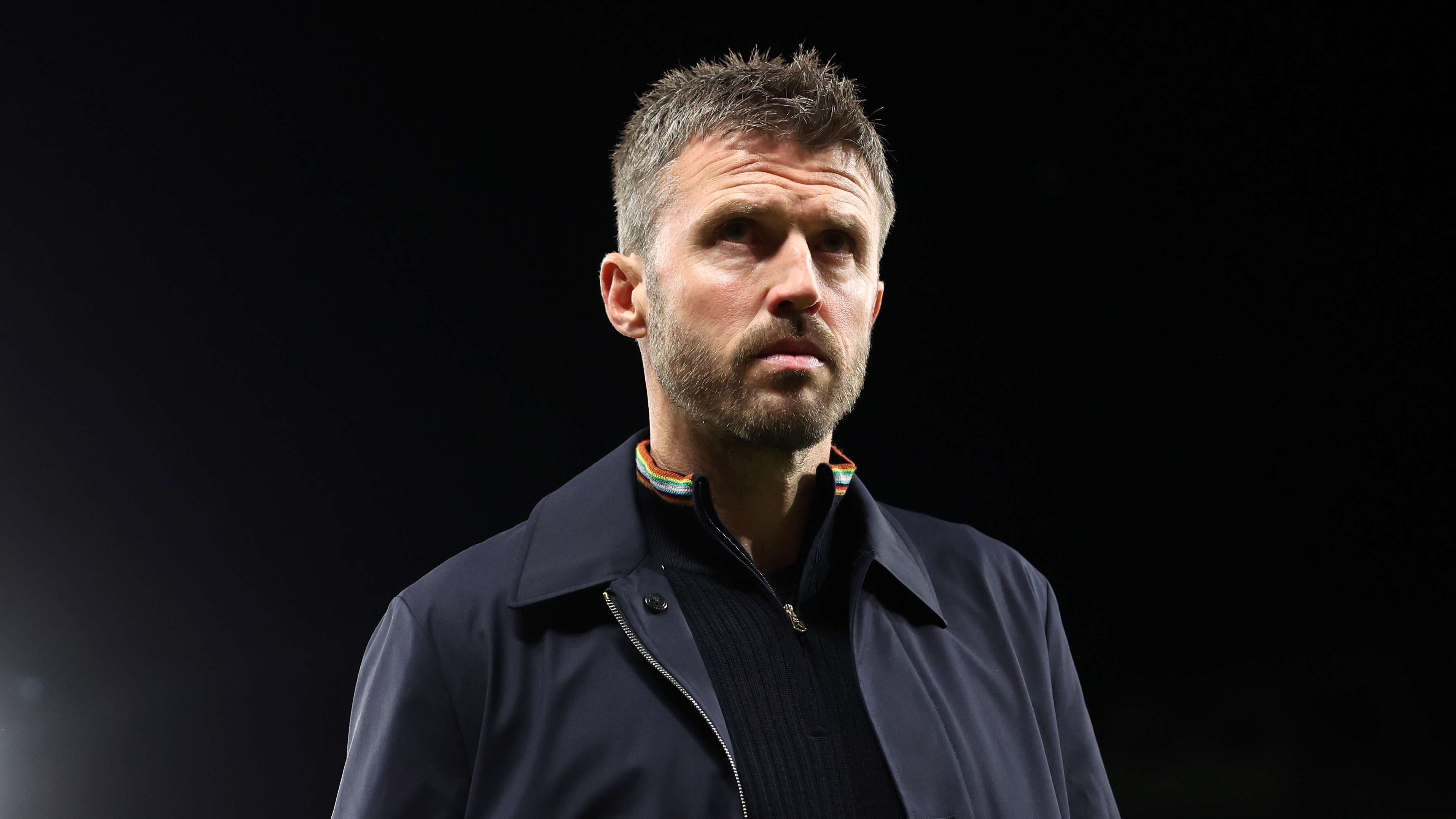


Thomas Tuchel’s Tactical Dilemma in the 2026 World Cup Semi-Final: Analyzing Football Prediction and Coaching Strategy
The 2026 FIFA World Cup semi-final between England and Argentina has become one of the most talked-about matches in recent football history, not just for its dramatic finish but also for the controversial tactical decisions made by England’s head coach, Thomas Tuchel. A compelling documentary chronicling England’s campaign sheds light on the German coach’s mindset, his strategic choices, and the aftermath of a heartbreaking 2-1 defeat that still reverberates within the football community.
Context: The Stakes and the Build-Up
As the tournament progressed, football experts and fans alike had been speculating about England’s chances of winning their first World Cup title since 1966. Many predicted a balanced approach, emphasizing both attack and defense, but Tuchel’s tactical adjustments during the semi-final raised eyebrows. His decision to shift to a more defensive formation in the crucial stages of the match sparked debates about the role of prediction in football coaching—whether being conservative or aggressive is the right approach in high-stakes situations.
Analyzing Tuchel’s Defensive Strategy: The Prediction Behind the Tactics
Leading into the semi-final, England held a narrow 1-0 lead, thanks to an early goal from Anthony Gordon. However, as the game entered its final stages, the momentum shifted. Tuchel observed Argentina’s relentless attacking style, which involved frequent substitutions and a high pressing game. Based on football prediction models and real-time analysis, he decided to tighten the defense, switching from a standard 4-4-2 to a more conservative 5-3-2, and later to a 5-4-1.
In the post-match documentary, Tuchel defended his tactical choices, emphasizing that his decisions were rooted in a desire to manage the game effectively and prevent conceding an equalizer. He explained that his prediction was based on a combination of data, his experience, and an assessment of Argentina’s reckless yet potent attack. Despite this, he admitted that the timing of the switch was perhaps too early, and the defensive posture may have contributed to England’s eventual loss.
The Critical Moments and Tactical Shifts
One of the pivotal moments came around the water break midway through the second half. England, having scored first, was under intense pressure from Argentina. Tuchel recalls instructing his team to change formation, bringing on defender Ezri Konsa for Anthony Gordon and adopting a five-man backline. This tactical shift was designed to contain Argentina’s crosses and quick attacks, with the hope of holding onto the lead.
“We allowed a legitimate goal right before the water break,” Tuchel reflects. “I thought, ‘This is the end’—we weren’t able to control possession or defend properly in the initial setup. We needed to adapt quickly.”
His decision to switch to a 5-3-2 and then to a 5-4-1 was a defensive attempt to stabilize the team and manage the mounting pressure. The strategy aimed to add more stability at the back, with three central defenders providing extra cover against Argentina’s offensive threats. However, such a defensive approach also reduced the team’s attacking options, raising questions about how prediction models can sometimes miscalculate the best tactical response in fluid game situations.
Reflections on Football Prediction and Tactical Risks
Tuchel’s candid admission that he might have gone too defensive too early underscores the inherent unpredictability in football. Despite sophisticated prediction tools and tactical analysis, the outcome often hinges on real-time decisions and the psychological state of players. Coaches constantly balance the risk of conceding versus the temptation to push for a winning goal.
In interviews, Tuchel expressed frustration and remorse, stating, “No one is in more pain than me. I want to win, and I try to make the best decisions based on the information available. But sometimes, even with the best predictions, football remains unpredictable.”
The Broader Implications for Football Prediction and Coaching
This semi-final serves as a case study for football prediction enthusiasts and tactical analysts. It highlights how models—ranging from statistical data to AI-driven analytics—are valuable but not infallible. Coaches like Tuchel must interpret these predictions within the context of the match, considering factors such as player fatigue, psychological resilience, and moment-to-moment game dynamics.
Furthermore, the match raises questions about the role of risk management in football tactics. Should coaches always prioritize defense when leading late in a game? Or should they stick to an attacking philosophy, trusting their players’ abilities to manage the game’s final moments? These are critical considerations that football prediction experts often debate, emphasizing that no single strategy guarantees success.
Expert Opinions and Future Outlook
Football prediction analysts note that modern coaching is increasingly reliant on data, but human judgment remains paramount. As teams continue to integrate advanced analytics, the challenge lies in interpreting data correctly and making timely decisions. The 2026 semi-final exemplifies how strategic miscalculations can have dramatic consequences, but also how learning from such outcomes can inform future coaching strategies.
Looking ahead, teams are expected to refine their predictive models further, combining machine learning with traditional scouting. Coaches like Tuchel will also need to develop adaptive tactics that can respond swiftly to in-game developments, balancing risk and reward more effectively.
Conclusion: Lessons from a Heartbreaking Defeat
The 2026 World Cup semi-final between England and Argentina will long be remembered not only for its thrilling finish but also for the tactical decisions that shaped its outcome. Thomas Tuchel’s defensive changes, driven by football prediction and real-time analysis, exemplify the complex interplay between data-driven strategies and human judgment in football coaching.
While the defeat still haunts Tuchel, it also offers valuable insights into the art and science of football prediction. Coaches, analysts, and fans alike can learn that even the most sophisticated models cannot fully account for the unpredictable beauty of football—the game where strategy, instinct, and timing converge in the most exhilarating ways.
As football continues to evolve, so will the methods of prediction and tactical planning. The lessons from this semi-final will undoubtedly influence coaching approaches in future tournaments, making the game even more captivating for enthusiasts who follow the latest trends in football prediction and tactical innovation.
Discussion and Community Insights
For those interested in dissecting the tactical nuances of the 2026 World Cup semi-final, online forums like Kooora provide a vibrant space for debate. Fans and analysts exchange opinions, exploring whether Tuchel’s cautious approach was justified or if a more aggressive stance might have changed the outcome. Such discussions are invaluable for understanding the evolving landscape of football prediction and coaching philosophies.