
Saudi Arabia Crowned Champions of Gulf Cup 27: A Historic Win in Middle Eastern Football
The football community across the Middle East and beyond is buzzing with excitement following Saudi Arabia’s remarkable victory at the Gulf Cup 27. The tournament, a prestigious regional competition that showcases the best national teams from the Arabian Gulf, concluded with Saudi Arabia securing their first title since 2003. This triumph not only marks a significant milestone for the Saudi national team but also ignites renewed optimism and strategic insights into future football predictions within the region.
Saudi Arabia Ends 20-Year Wait for Gulf Cup Glory
In a decisive final held in the United Arab Emirates, Saudi Arabia bested their Emirati counterparts with a 2-0 victory, ending nearly two decades of wait for a place on the tournament’s podium. The match demonstrated the team’s tactical growth, resilience, and an impressive display of skill that fans and analysts believe could signal a new era of dominance in regional football.
Historically, Saudi Arabia has been a formidable force in Asian and Middle Eastern football, but their recent performances in the Gulf Cup have been inconsistent. The 2023 victory underscores a strategic shift within the Saudi football federation, emphasizing youth development, tactical innovation, and a focus on building a cohesive team capable of contending at higher levels.
Global and Regional Reactions: Celebrations and Congratulatory Messages
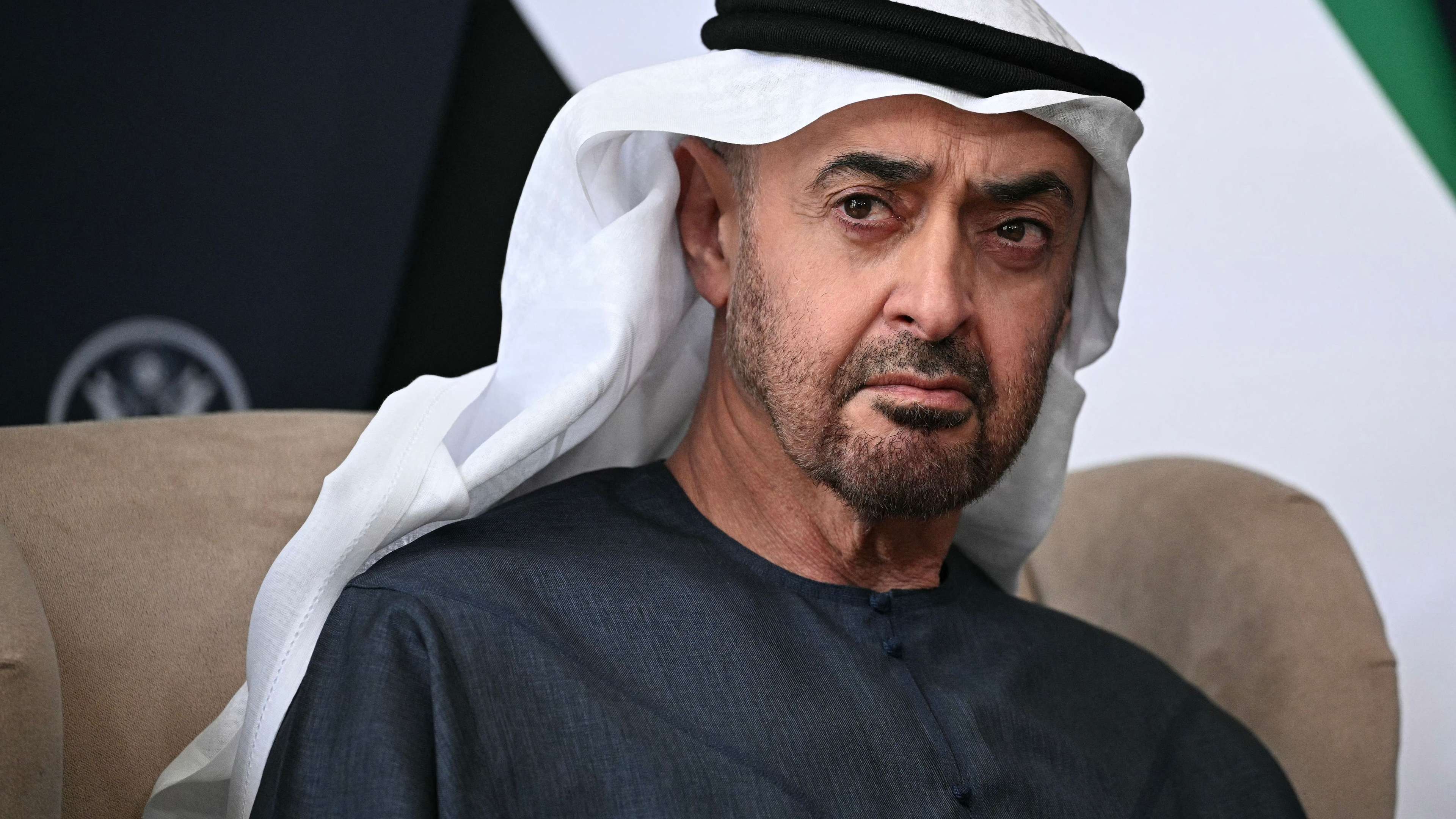
The victory was met with widespread acclaim from political and sporting leaders across the Gulf. Sheikh Mohamed bin Zayed Al Nahyan, President of the United Arab Emirates, took to his X platform (formerly Twitter) to extend heartfelt congratulations to the Saudi leadership and the national team. Writing on Tuesday evening, Sheikh Mohamed expressed his pride in both teams’ performance and praised the outstanding sportsmanship demonstrated throughout the competition.
In his message, Sheikh Mohamed highlighted the importance of such tournaments in fostering regional unity and healthy competition. He congratulated King Salman bin Abdulaziz Al Saud, Crown Prince Mohammed bin Salman, and the resilient Saudi football community for their historic achievement, emphasizing that such victories inspire young athletes and strengthen regional ties.
The Significance of the Gulf Cup in Middle Eastern Football
The Gulf Cup, officially known as the Arabian Gulf Cup, has long served as a vital platform for showcasing regional talent and fostering friendly rivalry among Gulf Cooperation Council (GCC) nations. Since its inception in 1970, the tournament has grown in prestige, serving as a benchmark for the development of football in the Middle East.
Saudi Arabia’s recent triumph is seen as a turning point, reflecting the region’s increasing investment in football infrastructure, youth academies, and coaching excellence. The victory also highlights the importance of strategic predictions in football, where analysts and fans alike analyze team form, player performances, and tactical setups to forecast outcomes—known as football predictions—especially during high-stakes tournaments like the Gulf Cup.
Analyzing the Final Match: Tactics and Key Players
The final was marked by disciplined defending from Saudi Arabia and swift counterattacks that eventually broke down the Emirati defense. The opening goal, scored early in the second half, set the tone, with the Saudi team leveraging their midfield control and precise finishing.
Key players such as [Insert Player Names] played pivotal roles in orchestrating attacks and maintaining defensive stability. Their performances have not only secured the trophy but also influenced football predictions for upcoming international fixtures and regional qualifiers.
Future Outlook: What’s Next for Saudi and UAE Football?
The victory has significant implications for the future of football in both Saudi Arabia and the United Arab Emirates. For Saudi Arabia, this win boosts confidence ahead of upcoming Asian qualifiers and potentially the AFC Asian Cup, with many experts making predictions about their chances to qualify and perform strongly.
Meanwhile, the UAE’s national team, under the guidance of new head coach Zlatko Dalić, showed promising signs of resurgence. Dalić, renowned for leading Croatia to the 2018 World Cup final, reaffirmed his commitment to restoring the UAE’s footballing prestige. His recent statements suggest that returning the national team to its winning ways remains a top priority, and recent performances have already begun to show positive developments.
Insights into Football Prediction and Regional Trends
Football prediction, especially in regional tournaments like the Gulf Cup, combines statistical analysis, historical data, and current team form. Experts are closely analyzing the performances of teams like Saudi Arabia, UAE, Qatar, and Bahrain to forecast future outcomes.
The recent success of Saudi Arabia has shifted regional predictions, with analysts now considering them strong contenders for the upcoming Asian tournaments. Conversely, the UAE’s strategic focus on youth development and tactical refinement, as demonstrated under Dalić, suggests they could be a dark horse in future competitions.
Conclusion: A Bright Future for Middle Eastern Football
Saudi Arabia’s victory at Gulf Cup 27 signifies more than just regional bragging rights—it reflects the growing maturity and competitiveness of Middle Eastern football. This triumph is expected to inspire a new wave of talented players, innovative coaching strategies, and increased investments in the sport across the Gulf.
As regional teams continue to evolve, football predictions will become increasingly sophisticated, helping fans and analysts anticipate outcomes with greater accuracy. The Gulf Cup’s latest edition has undoubtedly set a new standard, promising exciting developments in Middle Eastern football and beyond.
With ongoing infrastructural investments, youth talent nurturing, and strategic planning, the future of football in the Gulf region looks promising. The recent success of Saudi Arabia and the resilient performance of the UAE demonstrate that this region is emerging as a formidable force on the Asian football stage, making it an exciting time for fans, players, and stakeholders alike.