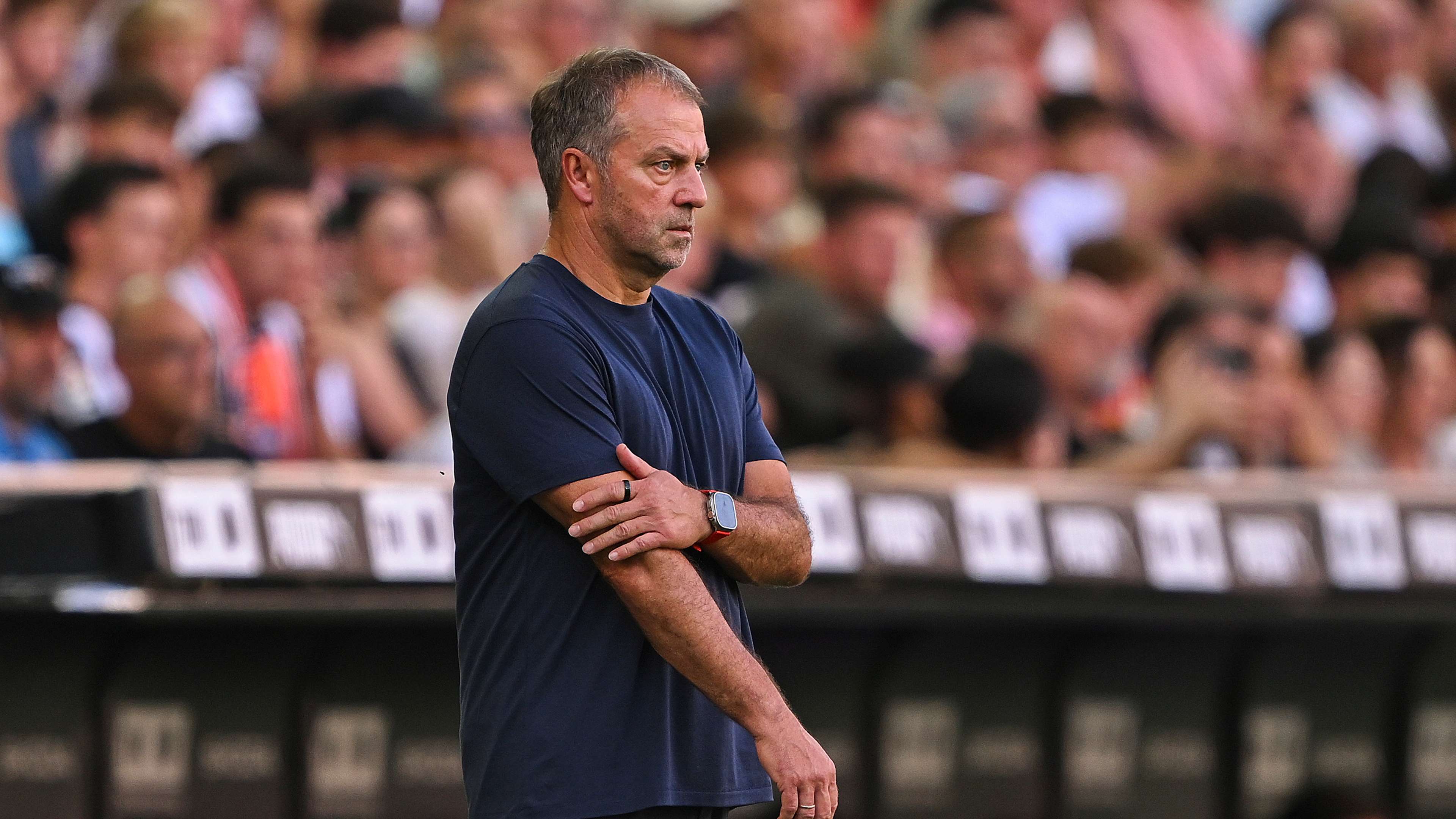

Barcelona Face Defining Week as Flick Weighs Form, Fitness and Rotation
Barcelona have begun the season in spectacular fashion, combining a relentless attack with impressive performances from several of their biggest young stars. But a demanding run of fixtures is about to test whether Hansi Flick’s side can sustain that momentum against strong domestic and European opposition.
The Catalans’ immediate challenge is Real Betis, followed by a high-profile Champions League meeting with Paris Saint-Germain and then the season’s first Clásico against Real Madrid. Three demanding games in a short period could influence Barcelona’s confidence, their position in the title race and the direction of their European campaign.
A prolific attack faces tougher opposition
Barcelona’s early scoring numbers have been striking. According to French outlet Foot Mercato, the team have scored 43 goals in their first 10 matches across all competitions. Raphinha has contributed 14 goals in eight appearances, while Lamine Yamal has recorded eight goals and nine assists in 10 games.
Those figures underline the attacking threat Flick has built, with Barcelona able to create danger through pace, movement and individual quality. Yet the next fixtures offer a more revealing measure of that production. Scoring freely against a range of opponents is one thing; finding the same opportunities against organised, high-level teams is another.
That makes the meeting with Betis more than a routine league assignment. They have made a strong start to the campaign, sitting third in La Liga while also showing their capabilities in European competition. Their form suggests Barcelona will need to be sharp in possession and disciplined when defending transitions.
Betis provide a significant domestic test
Betis can make life difficult for opponents by competing aggressively and taking advantage of spaces left behind an attacking team. Barcelona’s challenge will be to control the tempo without becoming predictable, while limiting the counterattacking opportunities that can emerge when their full-backs push forward.
The result also carries added importance because of its place in the league schedule. Barcelona are looking to protect their position near the top before facing Real Madrid, who are reported to be six points behind. A positive result would provide a valuable boost ahead of the Clásico; dropped points could increase the pressure before one of the season’s most closely watched matches.
PSG meeting brings European stakes
After Betis, Barcelona turn their attention to Paris Saint-Germain in the Champions League. The contest brings together two clubs with significant ambitions and attacking talent, making it a demanding test of both tactical preparation and composure.
European matches often leave little room for mistakes. Barcelona will need to balance their desire to press and attack with the need to protect their defensive shape. Against a dangerous opponent, an aggressive approach can create chances—but it can also expose space if the press is bypassed.
The PSG fixture is therefore likely to influence how Flick approaches the wider week. The coach must consider not only the best starting lineup for each match, but also whether key players can recover quickly enough to perform at their highest level across all three contests.
Flick’s central dilemma: keep winning without overloading players
Barcelona’s main concern is not limited to the quality of their opponents. Managing fatigue, distributing minutes and reducing the risk of injury are also crucial during a congested stretch of the calendar. A team can begin a demanding run in excellent form and still lose momentum if its most important players are pushed too hard.
The latest fitness picture offers some encouragement. Frenkie de Jong and Raphinha have returned to group training, while Andreas Christensen and Roony Bardghji remain unavailable. Even so, a return to training does not automatically mean a player is ready to complete a full match, particularly when several important fixtures are close together.
Raphinha’s situation requires particular care. He has recently dealt with injuries sustained during his time with the Brazil national team, and his attacking output makes him difficult for Flick to leave out. The coach has acknowledged the winger’s desire to start but has also emphasised the need to manage his return gradually.
That approach may frustrate a player eager to contribute, but it reflects the longer-term demands of Barcelona’s season. A carefully controlled comeback could help preserve Raphinha’s availability for the most important matches ahead, rather than risking a setback through an early return to heavy minutes.
Yamal’s workload is another factor
Yamal’s contribution has been extraordinary, but the teenager’s workload is attracting attention. He has played 851 minutes since the start of the season, more than any other Barcelona player, with Joan Garcia next in the minutes ranking. Pedri has logged 666 minutes.
Flick has not publicly expressed major alarm, noting that Yamal is enjoying his football. Still, the coach has stressed the importance of managing his minutes sensibly. That balance matters: Yamal’s creativity can change a match, but Barcelona need him fit and effective well beyond this single run of fixtures.
Rotation may therefore be essential, even if it means making difficult decisions. Flick could adjust Yamal’s playing time, introduce fresh options earlier in games or alter the team’s attacking structure to reduce the burden on individual players. Such choices can preserve energy while keeping Barcelona’s threat intact.
Barcelona prediction: a revealing stretch, not a season verdict
Barcelona enter this crucial week with confidence, impressive scoring form and several players capable of deciding matches. The prediction is that their success will depend as much on control and squad management as on attacking brilliance. If Flick can rotate effectively, protect returning players and keep Yamal fresh, the team will be better placed to maintain its level against Betis, PSG and Real Madrid.
Three matches in quick succession cannot determine the entire season, but they can offer an important indication of Barcelona’s resilience. A strong sequence would reinforce their title ambitions and strengthen their standing in Europe. More importantly, it would show that Flick’s side can remain dangerous without relying on the same players for every minute.
For supporters, the coming days promise high-stakes football and a clearer view of Barcelona’s strengths and vulnerabilities. The attack has already delivered spectacular numbers. Now the challenge is to prove that the team can combine that firepower with smart rotation, defensive discipline and the stamina required to compete across every front.