
Real Madrid Faces Disciplinary Hurdles After Narrow Derby Defeat to Atletico Madrid
The recent Madrid derby proved to be a challenging day for the defending champions, Real Madrid, as they suffered a 2-1 defeat at the hands of their city rivals Atletico Madrid. This match, played in the seventh round of La Liga, not only left Madrid fans disappointed but also raised questions about officiating and disciplinary procedures that could impact the club’s upcoming fixtures.
Key Moments and Controversies in the Match
The match was fiercely contested, with both teams displaying determination and tactical prowess. However, the outcome was marred by controversial incidents involving the referee, Miguel Angel Ortiz Arias. According to reports from the Spanish sports newspaper “Mundo Deportivo”, the referee’s match report highlighted several critical moments that could have influenced the game’s flow and outcome.
One of the most notable issues was the late start of the second half. The report indicated that the second half began approximately five minutes later than scheduled, due to the Atletico Madrid players being late to come onto the pitch. Despite this delay, the match was allowed to proceed, but such incidents often carry repercussions under La Liga’s disciplinary regulations.
Referee’s Report and Disciplinary Implications
In his official report, referee Miguel Angel Ortiz Arias documented the bookings and the sending off that occurred before halftime, but also noted the punctuality issue. The report states: “The second half began five minutes later than the scheduled time because the away team was late in coming out onto the pitch.”
This detail has prompted scrutiny of the disciplinary procedures outlined by the Spanish Football Federation (RFEF). According to Article 89 of the federation’s regulations, teams that are noticeably and unjustifiably late for a match face fines and potential sanctions, even if the match proceeds without interruption.
Potential Sanctions for Atletico Madrid and Real Madrid
Under the current rules, a team that arrives late but does not cause the match to be interrupted risks a fine of up to €3,000. Moreover, repeated offenses can lead to more severe consequences, including suspensions for officials and coaching staff.
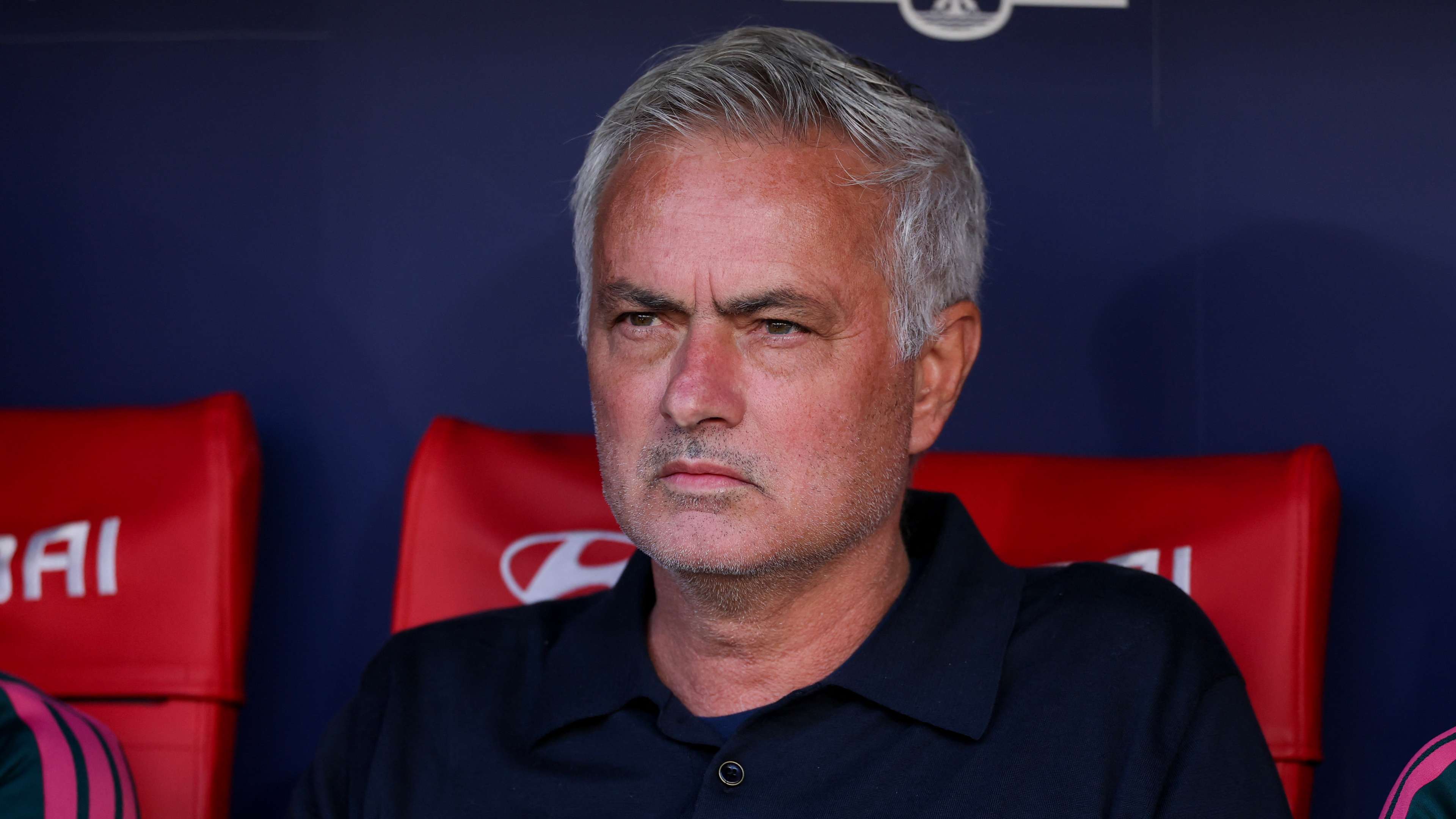
Specifically, the regulation states that if a team is late at the start of the match or during the second half, the club can be fined, and officials or coaches may face suspensions. For instance, the first offense might result in a warning or a suspension of up to two months for the referees involved. If the same team or officials commit multiple infractions—typically around three—the disciplinary committee can escalate sanctions, including fines and bans for coaching staff such as Jose Mourinho, the current manager of AS Roma, who has faced similar issues in the past.
Historical Context and Future Outlook
Historically, the disciplinary body of La Liga tends to issue warnings in cases of minor infractions, reserving stricter penalties for repeat offenders. The current incident is unlikely to result in immediate severe sanctions unless further misconduct is observed. Nevertheless, it underscores the importance of punctuality and adherence to regulations in maintaining fair play standards.
For Real Madrid, this episode comes at a critical juncture as they aim to bounce back from the derby loss. The club will be closely monitoring any disciplinary decisions that could influence their upcoming fixtures, including the highly anticipated match against Villarreal scheduled for October 11th.
What Does This Mean for Football Prediction and Fan Engagement?
From a football prediction perspective, incidents like these can influence team morale and tactical planning. Coaches might need to adjust their strategies, considering potential disciplinary suspensions or the psychological impact of officiating controversies. Fans and analysts often consider such factors when making predictions about match outcomes, especially in high-stakes fixtures.
Moreover, controversies surrounding refereeing and disciplinary actions tend to spark debates among football enthusiasts and can even influence betting markets. Accurate predictions often rely on understanding not just team form but also the broader context—such as officiating quality and disciplinary trends.
Broader Implications and Final Thoughts
This incident serves as a reminder of the importance of discipline and professionalism in football. As the Spanish Football Federation reviews the referee’s report and prepares to decide on any sanctions, all eyes will be on how these regulations are enforced and whether they serve as effective deterrents against misconduct.
For supporters of Real Madrid and Atletico Madrid alike, the focus remains on the beautiful game—its unpredictability, the thrill of competition, and the integrity of the sport. While the derby results were disappointing for Madrid fans, the subsequent disciplinary discussions offer a glimpse into the complex governance behind football’s scenes.
Looking ahead, fans and pundits will be eager to see how these disciplinary measures influence future matches and whether they will prompt stricter adherence to protocols among teams and officials alike. As always, in football prediction and analysis, understanding these nuances adds depth and accuracy to forecasts, making the beautiful game all the more engaging.
Stay Tuned for Updates
As the Spanish Football Federation reviews the circumstances surrounding the late start and the referee’s report, updates are expected in the coming days. Football enthusiasts are encouraged to follow official channels and expert analyses to stay informed about potential sanctions and their implications for La Liga’s competitive landscape.
In conclusion, the recent Madrid derby was more than just a match; it highlighted the intricate balance of officiating, discipline, and football prediction. Fans worldwide will be watching keenly to see how these developments unfold and shape the future of Spanish football.