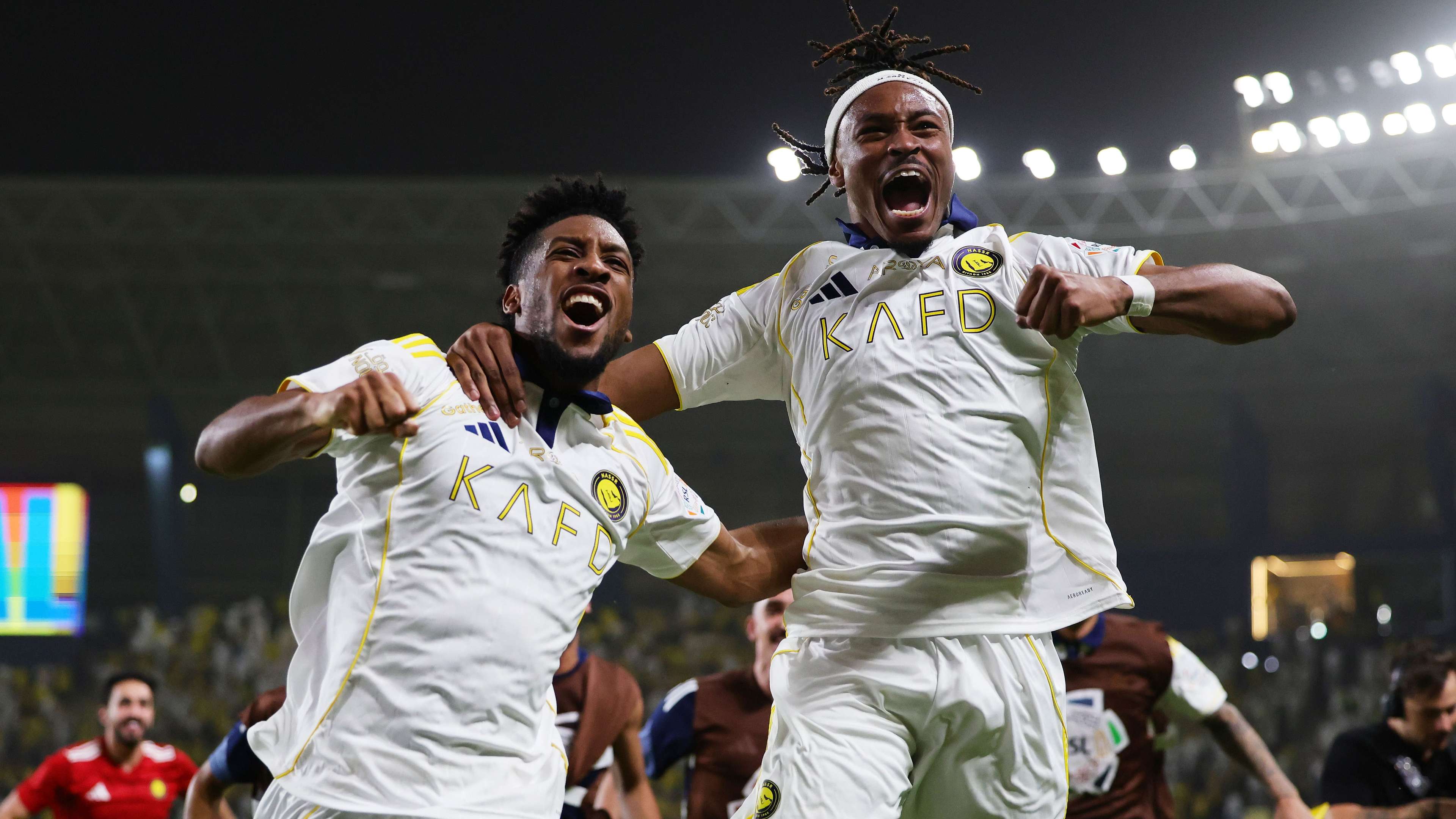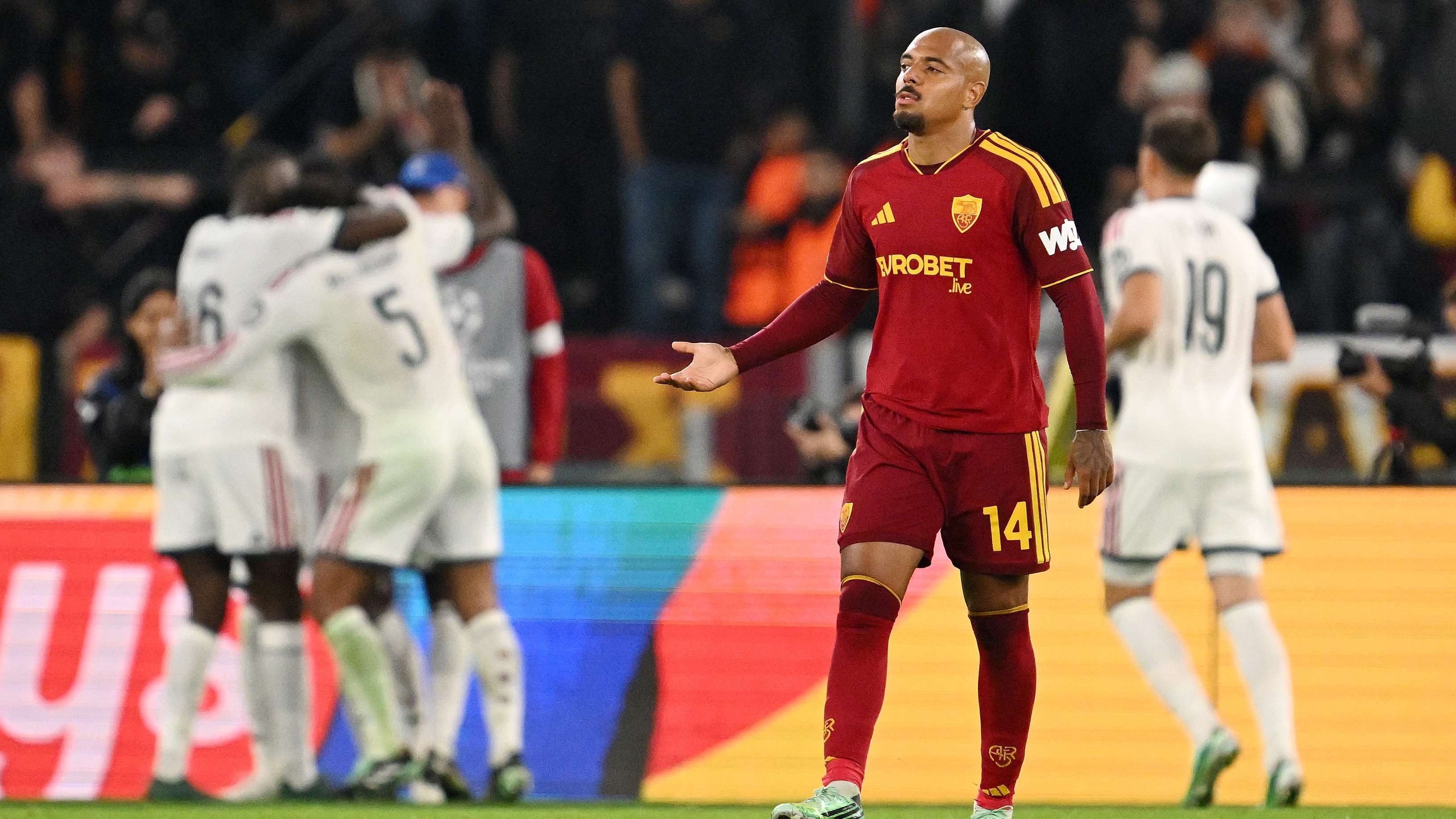

Serie A’s Champions League Nightmare: Four Italian Clubs Lose in One Night
It was a European football round Serie A would rather forget. Napoli, Inter Milan, Como and Roma all suffered defeat in the same Champions League matchweek, leaving Italy’s four representatives with no points and a combined 14 goals conceded. The results delivered a rare low for Italian football and raised fresh questions about whether the league’s clubs can consistently match the pace and pressure of Europe’s elite competition.
According to Italian newspaper La Gazzetta dello Sport, this was the first time in Champions League history that four Italian teams had all lost during the same round. The statistic captures the scale of the setback, but the manner of the defeats made the evening even more painful: Napoli, Como and Roma each held a lead before allowing their opponents to take control. Inter, meanwhile, never managed to move in front.
Across the four matches, the Italian sides scored nine goals but collected none of the available points. Defensive mistakes, shifting momentum and late goals shaped a round that offered a stark reminder of how quickly a promising European performance can unravel. For supporters looking ahead, the results also make any prediction about the Italian clubs’ progress more complicated: potential remains, but consistency will be essential.
Napoli’s Defensive Errors Prove Costly Against Villarreal
Napoli were the first of the four clubs to fall. They made a positive start against Villarreal, opening the scoring and giving themselves a platform to compete. But the Spanish side responded with three unanswered goals to secure a 3-1 victory, turning Napoli’s early advantage into another frustrating defeat.
A defensive error helped Villarreal find a way back into the match. Once the momentum shifted, Napoli struggled to regain their composure and protect their goal. The collapse illustrated a familiar challenge in European football: a team can control parts of a contest and still be punished if it loses concentration at a decisive moment.
The defeat also highlighted the difference between domestic and continental football. In Serie A, teams may have more time to recover from a mistake or settle into their preferred rhythm. In the Champions League, opponents are often quicker to exploit gaps, press aggressively and turn a single error into a sustained spell of pressure.
Massimiliano Allegri reflected on that difference, saying: “The level of the Champions League is higher. When you play against mid-table and smaller teams, you don’t realise it, but when you play in the Champions League, you do.” His comments underline the challenge facing Italian clubs: European competition demands not just technical quality, but concentration and resilience across the full 90 minutes.
Como Let Their Lead Slip in Rotterdam
Como’s defeat followed a similar pattern. Cesc Fabregas’s side travelled to Rotterdam to face Feyenoord and showed enough attacking intent to take the lead. However, they could not maintain control as the Dutch hosts fought back to win 3-2.
For Como, the result was another difficult lesson in managing momentum away from home. A lead can create an opportunity, but it can also invite pressure if a team retreats too deeply or loses its ability to keep possession. Feyenoord took advantage of the opening, and Como were left without a point despite a competitive attacking display.
The loss carries added significance for a club still building its reputation at the highest level. Como’s European ambitions will depend on turning encouraging spells into complete performances. Their attacking output suggests they can trouble strong opponents, but the defensive response after conceding will need to improve if they are to turn close matches into results.
Roma’s Late Collapse Against Real Madrid
The most dramatic finish came at the Stadio Olimpico, where Roma appeared close to a memorable result against Real Madrid. The home side had put themselves in a position to challenge the Spanish giants, who were led by former Roma coach Jose Mourinho. Yet the closing minutes transformed the match into a painful defeat for the hosts.
Roma’s resistance finally broke in the 85th minute when Real Madrid equalised. The visitors then struck again in the 90th minute to complete a 4-3 turnaround, leaving the home crowd stunned. Roma had been close to securing a positive result, only to see the match decided in the final moments.
The late swing was a reminder that Champions League matches can change rapidly, especially when one side is chasing a result and the other is under pressure to defend. Roma’s inability to close out the game will be a concern for the coaching staff, while the late goals will likely sharpen attention on substitutions, defensive organisation and decision-making in the final phase.
For Mourinho, the victory brought a dramatic return to the Olimpico. For Roma, it was a missed opportunity that will sting beyond the final whistle. A result against a club of Real Madrid’s stature could have offered a major boost; instead, the late collapse added to a night of disappointment for Italian football.
Inter Milan Also Fall as Club Brugge Win 4-3
Inter were the only Italian side in this group not to surrender a lead, because they never went ahead. They lost 4-3 to Club Brugge in a high-scoring contest, marking their second defeat of the Champions League campaign.
Although Inter scored three times, their attacking contribution was not enough to compensate for the goals conceded. The result points to a broader issue shared by the Italian quartet during this round: scoring remained possible, but defensive stability proved elusive. At this level, a productive attack cannot guarantee points if opponents are allowed too many clear opportunities.
What the Results Mean for Italian Football
One difficult round does not define an entire season, and each club will have opportunities to respond in its remaining fixtures. Still, the collective nature of the losses makes the results especially notable. Napoli, Como, Roma and Inter entered the matchweek with different objectives and different levels of European experience, yet all finished empty-handed.
The key lesson is not simply that Italian teams conceded heavily. It is that three of them were unable to protect an advantage, while Inter could not get in front at all. That pattern points to the importance of game management: controlling tempo, staying organised after setbacks and maintaining focus when the finish line is close.
For fans considering the next round, any football prediction involving these clubs will need to weigh both their attacking potential and their defensive reliability. Each side has shown it can score, but the response under pressure is likely to determine whether the next European night brings recovery or further frustration. Serie A’s representatives have the quality to compete, yet this round showed that quality alone is not enough without discipline, composure and consistency.